

























































Common Health Risks in Nigeria: Prevention and Practical Management
From malaria to hypertension, discover common health risks in Nigeria and practical ways to prevent and manage them in everyday life.

Prefer listening? Tap play and the article will be read aloud.
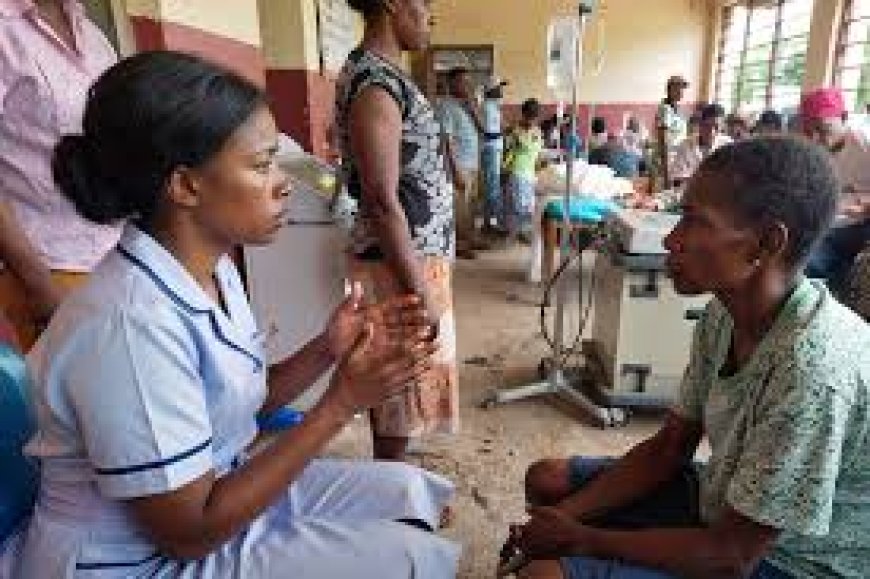
Health issues in Nigeria are not always about lack of information. Most times, people already know what is wrong, they just don’t have the time, energy, structure, or resources to manage it properly.
Between long work hours, traffic, irregular eating, and inconsistent healthcare access, it’s easy for small health problems to become serious conditions.
The truth is that prevention is cheaper, easier, and far less stressful than treatment.
This article breaks down some of the most common health risks in Nigeria and more importantly, how to realistically prevent and manage them within everyday Nigerian life.
1. Malaria

Source: Britannica
Malaria remains one of the most common illnesses in Nigeria. Everyone has it in their blood at this point and has experienced it one time or the other, which is why many people take it lightly until it becomes severe.
Why it’s common:
Poor drainage systems and excessive stagnant water. These serve as breeding ground for mosquitoes, causing constant exposure to mosquitoes.
Prevention:
-
Sleep under treated mosquito nets
-
Use insect repellents or sprays
-
Keep your environment clean and dry
Management:
-
Don’t self-diagnose every fever as malaria
-
Get tested before taking medication
-
Complete your full dosage when being treated
-
Skipping proper treatment or guessing symptoms is how complications start.
-
Take fruits and vegetables regularly to boost immunity and vitality.
2. Hypertension (High Blood Pressure)

Source: Manhattan Cardiovascular Associates
Hypertension is often called the “silent killer” because many people don’t notice symptoms until it becomes serious.
Why it’s common:
Stress, high salt intake, lack of exercise, and poor diet.
Prevention:
-
Reduce salt intake (especially the extra seasoning at the dining table)
-
Stay physically active, brisk short walks help.
-
Manage stress levels as much as possible, find simple destressors like music, hobbies, sleep etc.
Management:
-
Check your blood pressure regularly and understand the ranges
-
Track weight, drinking and activity as high weight, excessive drinking and low activity can over work the heart and increase blood pressure
-
Take medications as prescribed
-
Avoid stopping medication once you “feel better” or fear “low blood pressure”
-
Feeling fine doesn’t mean the blood pressure has gotten too low or the high blood pressure is gone, it just means the medicine is working and you should keep it up.
3. Typhoid Fever

Source: Chennai Reporters
Typhoid is another illness people often confuse with malaria. It is usually linked to contaminated food and water.
Why it’s common:
Poor sanitation or hygiene, unsafe water, and improperly handled food.
Prevention:
-
Drink clean, treated, or boiled water
-
Be mindful of where you eat, where you eat from and what you put in your mouth generally
-
Wash your hands with soap regularly (after toilet use, immediately coming from outside and before and after eating)
-
Don't dig your nose, it contains organisms that are harmful when outside the nose and in sensitive places. If you do dig your nose, wash hands immediately
Management:
-
Get proper diagnoses before treatment
-
Avoid incomplete and random antibiotic use
-
Follow medical advice strictly
-
Self-medication can make things worse, not better. Do not indulge in it.
4. Diabetes

Source: Seventh- Day Adventist Hospital
Diabetes is becoming more common, especially with changing diets and lifestyles.
Why it’s increasing:
High sugar intake, excessive processed foods, and inadequate physical activity.
Prevention:
-
Cut down excessive sugar (soft drinks, snacks)
-
Maintain a balanced diet
-
Stay active
Management:
-
Monitor blood sugar levels regularly
-
Follow dietary guidelines
-
Stick to prescribed treatment plans
-
Take medicines daily and unfailingly
-
Ignoring it early can lead to long-term complications.
5. Respiratory Infections (Cough, Flu, Pneumonia)

Source: Shutterstock
With air pollution, crowded environments, and changing weather, respiratory infections are very common.
Why it’s common:
Air pollution, overcrowding, and weak immune systems.
Prevention:
-
Maintain good hygiene
-
Avoid close contact with sick individuals
-
Use masks in highly polluted or crowded areas when necessary
-
Reduce carbon footprint
-
Protect chest and nose in cold or dusty areas
Management:
-
Treat symptoms early
-
Rest properly
-
Use the right prescribed medications, don't self prescribe
-
Seek medical help if it worsens
-
Don’t ignore persistent coughs or breathing issues.
6. Mental Health Challenges (Stress, Anxiety, Burnout)

Source: Nigeria Grassroot News
This is a real ailment that is often ignored and not addressed enough.
From financial pressure to work stress, uncertainty, fear, low self esteem/ sense of self and disappointment, many people are mentally exhausted but still pushing through.
Why it’s common:
Economic pressure, job stress, school, personal issues/orientation, family or relationship issues, societal practices and lack of support systems.
Prevention:
-
Set boundaries where possible
-
Take short breaks during the day
-
Tune out of things that trigger mental health challenges
-
Stay connected with supportive people
Management:
-
Talk to someone you trust
-
Prioritize self care and self awareness
-
Understand personal mental health challenges and express to self and others rather than suppress only to combust and burn out later
-
Create small and consistent routines each day in order to stay mentally occupied and active.
-
Seek professional help when needed
-
Avoid burn out as mental pressure increases when there are many tasks to finish as the same time.
Conclusion
Health risks in Nigeria are not going away anytime soon but many of them are manageable with the right habits.
You don’t need a perfect lifestyle, You just need intentional decisions like, paying attention to your body and acting early when symptoms of mental disorder start setting in, avoiding incomplete treatments and staying consistent in taking the small actions that actually prevent potential complications.
At the end of the day, staying healthy is not just about living longer, it’s about being able to function, work, and actually enjoy your life without constant health setbacks.
What's Your Reaction?
 Like
0
Like
0
 Dislike
0
Dislike
0
 Love
0
Love
0
 Funny
0
Funny
0
 Angry
0
Angry
0
 Sad
0
Sad
0
 Wow
0
Wow
0