




































The Prince of Persia: Unseen Forces Behind Power (Daniel 10 Explained)
The “Prince of Persia” mentioned in the Book of Daniel chapter 10 is one of the most mysterious and debated passages in scripture. Many interpret it as evidence of unseen spiritual forces influencing earthly events. But could this concept also explain patterns we see in leadership, governance, and power today?
Prefer listening? Tap play and the article will be read aloud.
What Is the Prince of Persia in Daniel 10?
The “Prince of Persia” mentioned in the Book of Daniel 10 is one of the most mysterious passages in scripture. It presents a striking idea: that unseen forces may influence visible events.
For many, this raises deeper questions.
Could there be hidden forces shaping leadership outcomes?
Why do good intentions often fail in governance and institutions?
Is power really what it appears to be?
This article explores the biblical account, its meaning, and its relevance in today’s world—from spiritual interpretations to real-world power dynamics.
Understanding the Prince of Persia in Daniel 10
In Daniel 10, the prophet prayed—and according to the account, his prayer was heard immediately. Yet the answer did not arrive for twenty-one days.
Why?
An angel sent with the response was delayed by a figure described as the Prince of Persia. This was not a human ruler but a spiritual entity that resisted the delivery of the message until help came from Michael.
This passage suggests something profound:
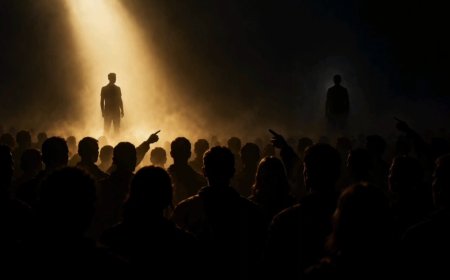
There may be forces operating beyond human visibility that influence outcomes on earth.
What Does the Prince of Persia Represent?
Interpretations generally fall into two major perspectives:
1. Spiritual Interpretation (Biblical View)
Many theologians believe the Prince of Persia represents:
- A principality influencing a region
- A force capable of resisting divine activity temporarily
This aligns with broader themes of spiritual hierarchy and unseen conflict.
2. Symbolic / Structural Interpretation (Modern View)
Others interpret the passage as a metaphor for:
- Hidden power structures
- Institutional resistance
- Systems that outlive individual leaders
In this view, the “Prince of Persia” represents:
Invisible forces that shape outcomes without public visibility.
Unseen Forces and Hidden Power Structures
Whether spiritual or structural, one pattern becomes clear:
Power is layered.
Across nations and institutions, we often observe:
- Leaders with vision facing unexpected constraints
- Policies failing despite strong design
- Systems resisting meaningful change
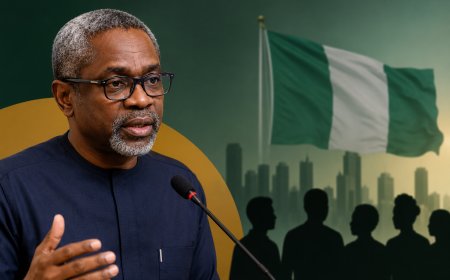
In many societies, including places like Nigeria, leaders have acknowledged the presence of:
- Cabals
- Political godfathers
- Entrenched interests
Different names—but a consistent idea:
Not all power is visible, and not all influence is elected.
Why Good Leaders Fail Despite Good Intentions
This is one of the most searched and debated questions in leadership.
Why do capable leaders struggle to deliver?
Possible reasons include:
- Institutional resistance
- Conflicting interests
- Limited real control despite official authority
- Pressure from unseen or unacknowledged forces
From the outside, it looks like failure.
From within, it may feel like resistance.
The account in Daniel reflects a similar pattern:
The answer existed—but something stood in the way.
The Gap Between Intention and Outcome
Daniel’s experience reveals something many overlook:
the space between what is decided and what actually happens.
- The prayer was answered immediately
- The result was delayed
- The delay was due to resistance
This introduces a powerful concept:
Delay is not always denial—it can be the result of opposition.
This applies beyond theology.
In life, business, and governance, outcomes are not always linear.
Modern-Day Examples of Hidden Power and Influence
You don’t have to look far to see parallels.
Across different systems:
- Decisions are influenced before they are announced
- Outcomes are shaped before processes conclude
- Authority exists—but is sometimes constrained
These forces may include:
- Political networks
- Economic power blocs
- Institutional systems
- Long-standing influence structures
They rarely appear publicly—but their effects are visible.
Spiritual vs Political Power: Is There a Connection?
This is where interpretation becomes deeper.
Some believe:
- Spiritual forces influence physical systems
Others believe:
- Human systems alone explain these patterns
And some take a balanced view:
That both spiritual and structural forces may operate simultaneously.
Regardless of perspective, one truth remains:
What is visible does not always tell the full story.
What This Means for Individuals
It’s easy to feel powerless in the face of large systems and unseen influences. But the account in Daniel offers a different perspective.
- One person prayed
- The answer was sent
- There was resistance
- But the answer still came
This suggests:
- Resistance is real—but not final
- Delay can happen—but does not mean failure
- Persistence is often necessary
Who is the Prince of Persia in Daniel 10?
The Prince of Persia is described as a spiritual being that resisted an angel sent to deliver a message to Daniel, suggesting the presence of unseen forces influencing events.
Is the Prince of Persia a demon or a symbol?
Interpretations vary. Some view it as a demonic principality, while others see it as a symbolic representation of hidden power structures.
What does Daniel 10 teach about unseen forces?
It suggests that there may be resistance between intention and outcome, possibly influenced by forces beyond human visibility.
Do unseen forces influence leadership today?
While interpretations differ, many believe that hidden systems, networks, or structures influence decisions and outcomes in leadership and governance.
Rethinking Power
The account of the Prince of Persia challenges a simple view of reality. It suggests that what we see may not be all that is at work.
Whether interpreted spiritually or structurally, the pattern is difficult to ignore:
- Outcomes are not always straightforward
- Power is not always visible
- Influence is not always accountable
Perhaps the real question is not whether unseen forces exist—but whether we are willing to recognise them when patterns continue to repeat.
Because until we do, we may continue to judge outcomes only by what is visible—without understanding what may be shaping them behind the scenes.
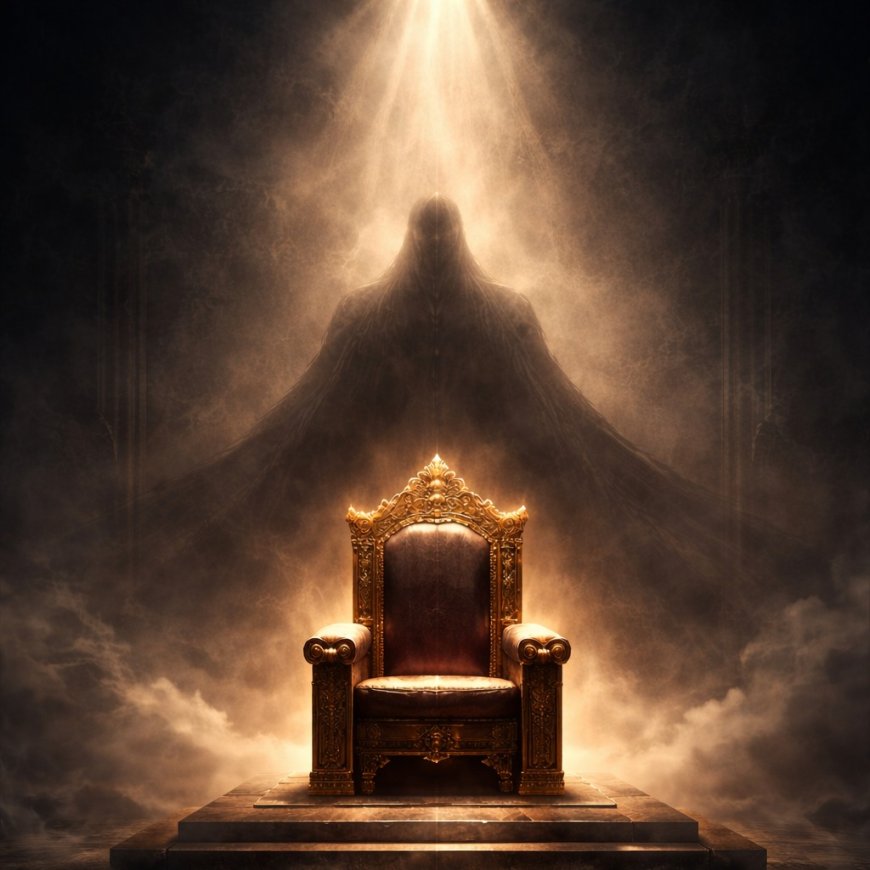
Behind every visible throne, there may still be an unseen force.
What do you think—are unseen forces shaping the outcomes we see in leadership and society today, or is there another explanation?
What's Your Reaction?
 Like
2
Like
2
 Dislike
0
Dislike
0
 Love
0
Love
0
 Funny
0
Funny
0
 Angry
0
Angry
0
 Sad
0
Sad
0
 Wow
0
Wow
0