












FROM BIAFRA TO BOKO HARAM: HOW RELIGION HAS ALWAYS BEEN NIGERIA'S BIGGEST WEAPON
Nigeria’s bloodiest conflicts — the Civil War, Sharia crisis, Boko Haram, and Middle Belt killings; are often blamed on religion. But beneath these narratives lie a deeper story: arbitrary colonial borders, political manipulation, economic exclusion, and unaddressed historical trauma. This piece explores the strategic weaponization of religion and questions the possibility attaining a violence-free nation in the future, through genuine accountability and honest history.
Prefer listening? Tap play and the article will be read aloud.
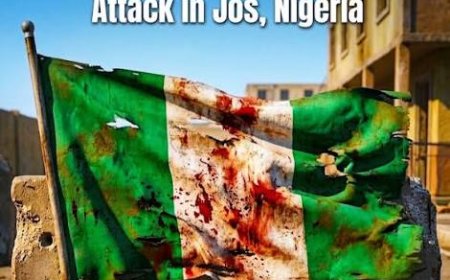
In March 2026, gunmen stormed a community in Plateau State and killed dozens of people in their sleep. The victims were farmers. The attackers were herdsmen. The government called it a CLASH. The survivors called it what it was - A MASSACRE. And like almost every act of mass violence in Nigeria's history, it came wrapped in the language of religion.
This is not a new story. It is, in fact, Nigeria's oldest story.
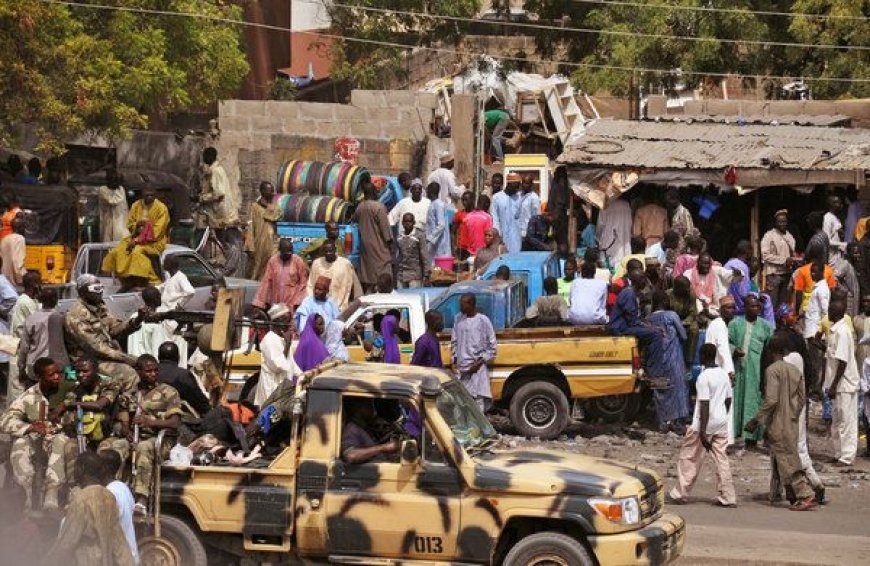
Source: Pinterest
Communities in Nigeria’s middle belt have faced recurring attacks for decades. The violence predates Boko Haram.
BEFORE THE LINES WERE DRAWN
Before the British arrived, the land that would become Nigeria was not one country. It was hundreds. The Yoruba had their kingdoms and their gods: Sango, Ogun, Osun, Oya. The Igbo had their village assemblies and their chi. The Hausa-Fulani of the north had been Muslim since the 11th century, shaped by the great Sokoto Jihad of 1804 led by Usman dan Fodio, which forged one of the most powerful Islamic empires in West African history.
These groups coexisted, traded, and sometimes warred, but on their own terms. Religion was identity, not weapon.
Then came colonialism. And everything changed.
WHAT BRITAIN BUILT
When Frederick Lugard amalgamated the Northern and Southern Protectorates in 1914, he did not create a nation. He created a tension. The British governed the north and south differently - they allowed Islamic law to function in the north, banned Christian missionaries from Muslim areas, and poured resources into the south's Western-style education system.
The result? By independence in 1960, the north was politically powerful but educationally behind. The south, especially the Igbo was educated, ambitious, and hungry for power in the new country. Britain had not just drawn borders on a map. It had loaded a gun.
BIAFRA: WHEN RELIGION AND ETHNICITY BECAME THE SAME WOUND
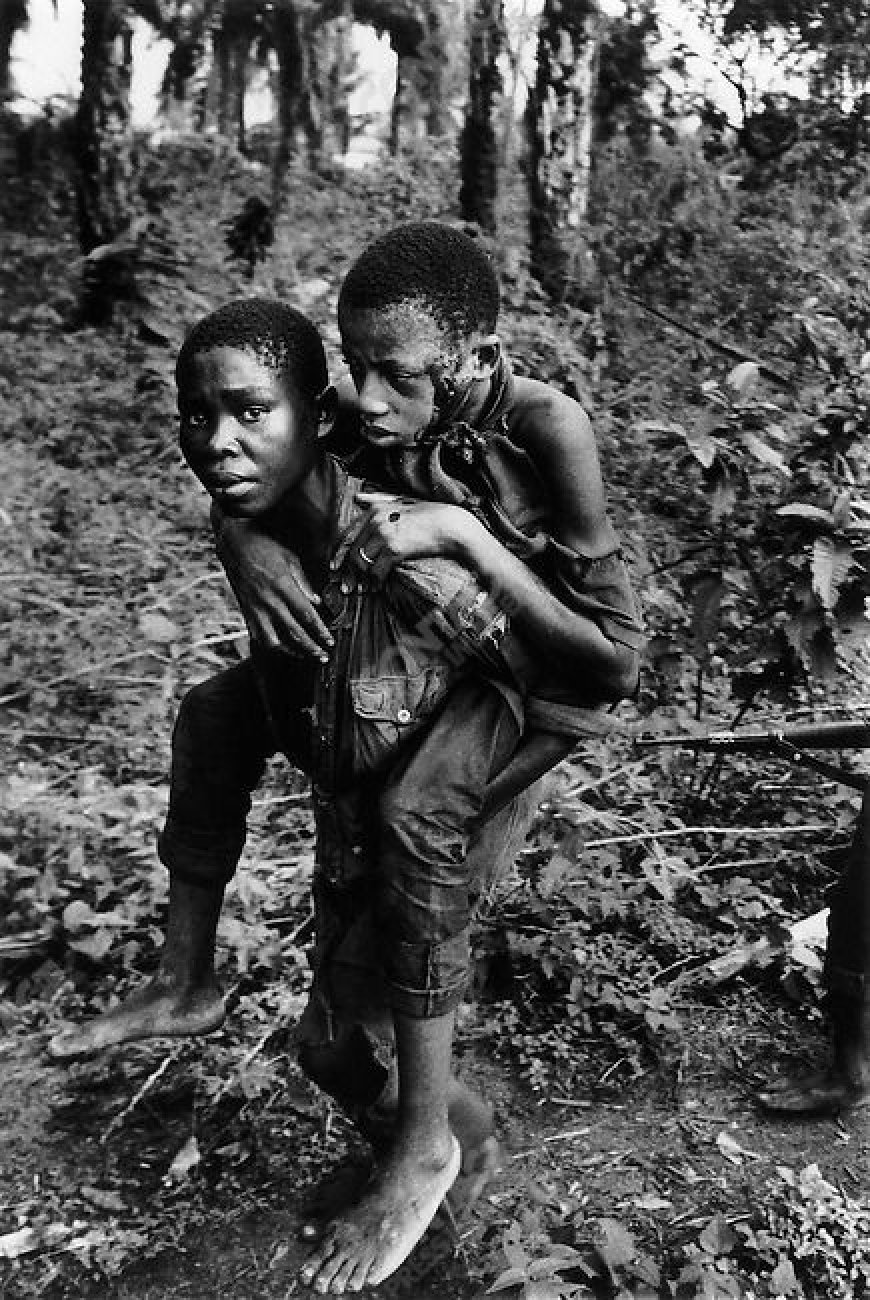
Source: Google Images
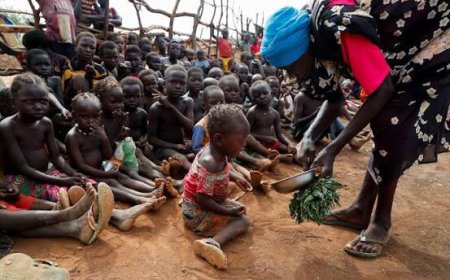
The Biafran War left over a million dead. Many were children. The wound has never fully closed.
The Nigerian Civil War (1967-1970) is often described as an ethnic conflict. But religion was always underneath it.
The Igbo, predominantly Christian, had dominated the civil service and professional class since independence. Their success bred resentment. After the counter-coup of 1966 in which northern officers targeted Igbo soldiers and civilians, thousands of Igbo fled back to the East. When Odumegwu Ojukwu declared the Republic of Biafra in 1967, he framed it partly as the survival of a Christian people against a Muslim-dominated federal government.
Over a million people died. Many starved. The images of Biafran children with swollen bellies circled the globe. And when the war ended, no side was truly held accountable. The wound was covered, not healed.
It has never fully closed.

Source: Google Images
Biafran women warmly welcome General Emeka Ojukwu on his tour of the villages in Biafra during the Civil war, 1968.
MILITARY RULE AND THE OIC SCANDAL
Nigeria returned to civilian rule, then fell back to soldiers, then civilians again- a cycle of coups and constitutions. Through it all, religion was a card politicians never stopped playing.
In 1986, military head of state Ibrahim Babangida quietly registered Nigeria as a full member of the Organization of Islamic Cooperation (OIC), without public debate, without legislative approval. The Christian community erupted. Riots broke out. Babangida eventually claimed Nigeria's membership was only "observer" status, but the damage was done. The question had been planted in every Nigerian Christian's mind: whose country is this, really?
It was a question with no clean answer. And it has powered religious anxiety in Nigeria ever since.
THE SHARIA CRISIS: WHEN TWELVE STATES REWROTE THE RULES
In 1999, Nigeria returned to democracy. Within a year, Zamfara State Governor Ahmed Sani Yerima announced the full implementation of Sharia criminal law. Eleven other northern states followed.
Overnight, a secular constitutional republic had states where thieves could have hands amputated and adulterers could be stoned. Non-Muslims in those states of which many of them were Christians found themselves living under a legal system that did not consider them equal.
The violence that followed was catastrophic. In Kaduna alone, thousands died in religious riots in 2000. Churches burned. Mosques burned. Bodies filled the streets.
The federal government watched. Intervened too late. And moved on.
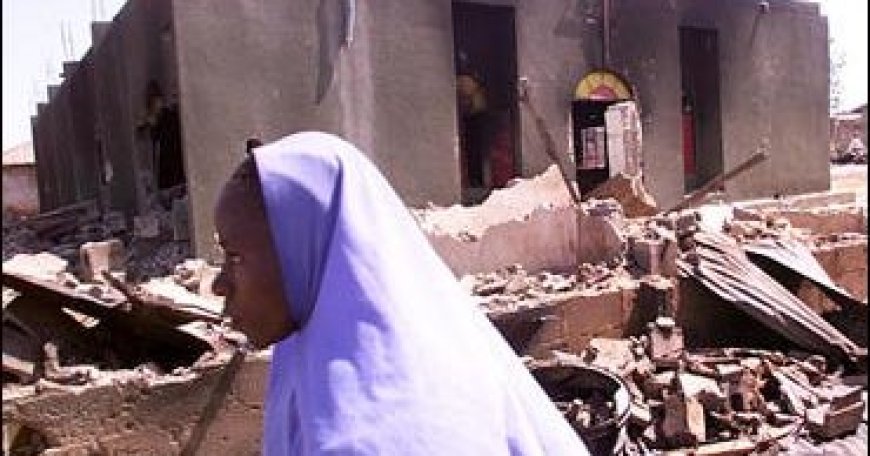
Source: BBC News
Religious riots in Kaduna in 2000 killed thousands and displaced entire communities.
Watch video of the aftermath of the riots in Kaduna here.
BOKO HARAM: RELIGION AS TOTAL WAR
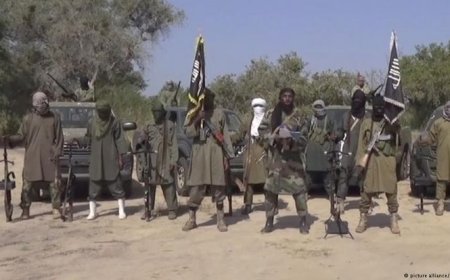
By 2009, a preacher named Mohammed Yusuf had built a movement in Maiduguri that rejected Western education, democracy, and the Nigerian state entirely. When security forces killed him in custody, his followers did not scatter. They became Boko Haram.
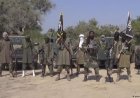
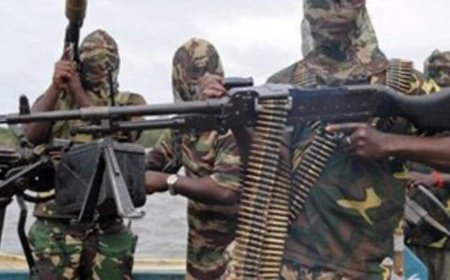
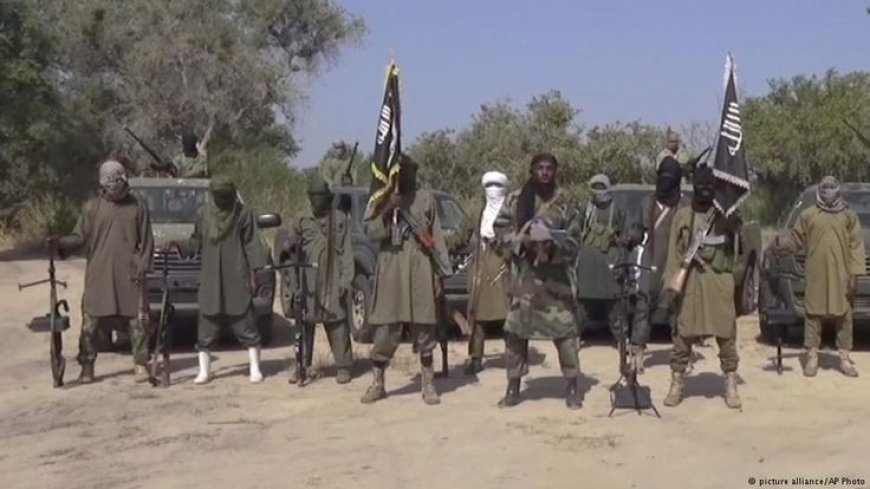
What followed was one of the deadliest insurgencies in modern African history. Boko Haram kidnapped schoolgirls from Chibok. They bombed churches, mosques, markets, and the UN headquarters in Abuja. They declared a caliphate. They killed tens of thousands.
The Nigerian military fought back - sometimes effectively, often brutally, occasionally against the wrong people. The insurgency fractured into factions. ISWAP emerged. The Lake Chad Basin became a theatre of permanent war.
By 2026, over 40,000 people have been killed in the insurgency. The majority of them were Muslim killed in mosques, in markets, in their own homes. This is a fact the "Christian genocide" narrative, however emotionally resonant, tends to erase.
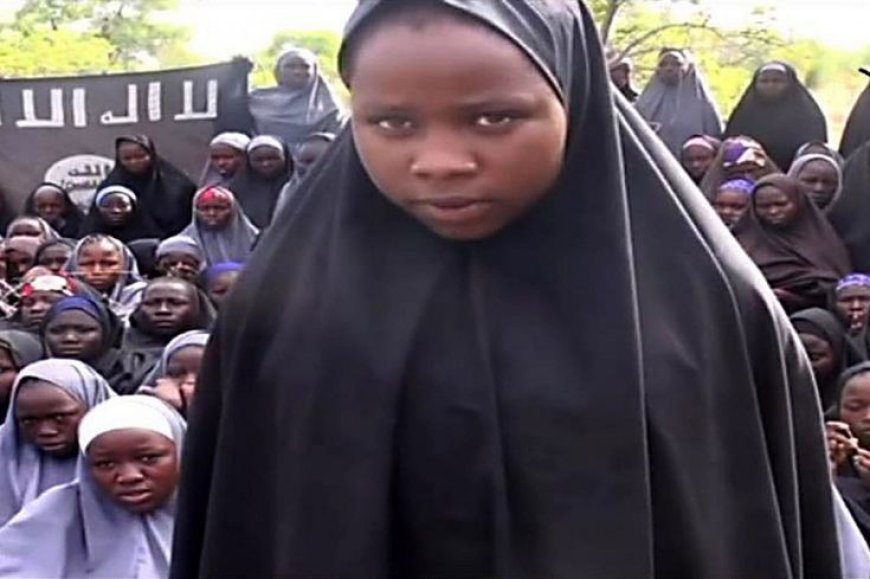
Source: Pinterest
The 2014 Chibok kidnapping brought global attention to an insurgency Nigeria had been fighting alone for years.
TODAY: THE MIDDLE BELT AND THE QUESTION NOBODY WANTS TO ANSWER
The deadliest front of religious violence in Nigeria today is not Borno. It is the Middle Belt - Plateau, Benue, Kaduna, Taraba where Christian farming communities and Muslim Fulani herdsmen have been locked in a conflict over land, water, and survival that climate change is making worse every year.
In December 2025, the United States launched airstrikes on Christmas Day targeting jihadist positions in northern Nigeria. Washington called it protection for Christians. The United Nations pushed back, noting that the majority of insurgency victims have been Muslim.
Both things can be true: Christians are being targeted. And the violence is bigger than religion.
The problem is that "bigger than religion" is a hard message to sell when your church has just been burned.

Source:google images
Washington called it protection. The UN called it complicated. The people on the ground just called it another day of dying.
ARE WE DOOMED TO REPEAT THIS?
Nigeria has survived Biafra. It has survived military coups, the OIC crisis, Sharia riots, and Boko Haram. It is still, improbably, one country.
But survival is not the same as healing.
Every generation inherits the unresolved wounds of the last. Every politician knows that religion is the fastest way to mobilize a crowd. Every act of violence becomes a data point in someone else's narrative of persecution.
The way out is not denial, pretending Nigeria is a peacefully plural nation when the blood on the ground says otherwise. Nor is it the lazy tribalism of "it's a religious war" when the roots are economic, colonial, and climatic.
The way out is the harder thing: honest history, genuine accountability, and a government that protects all its citizens - Muslim, Christian, and traditional with equal urgency.
Nigeria has never fully tried that.
Maybe it's time!

Source: Google Images
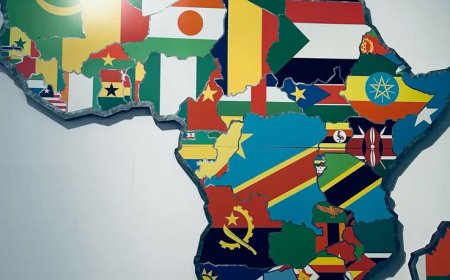
Nigeria remains one country. But survival and healing are not the same thing.
What's Your Reaction?
 Like
0
Like
0
 Dislike
0
Dislike
0
 Love
0
Love
0
 Funny
0
Funny
0
 Angry
0
Angry
0
 Sad
0
Sad
0
 Wow
0
Wow
0