
























Sweating Without the Subscription: How Everyday Nigerians Are Redefining Fitness
From bodyweight workouts filmed in sitting rooms to neighborhood aerobic sessions led by someone with a speaker and a lot of energy, a quiet wellness revolution is happening in Nigeria's streets and communities. This piece explores the grassroots fitness culture that has always existed here - and why it deserves to be celebrated, not just as resourcefulness, but as a genuine philosophy of living well.
Prefer listening? Tap play and the article will be read aloud.
There is a particular kind of discipline that does not come with a membership card.
You will not find it in an air-conditioned gym with mirrored walls and machines that track your heart rate in real time. You will not find it in a curated playlist pumped through branded earphones or in a perfectly filtered Instagram post captioned "grind season." You will find it at 5:30 in the morning, when the Lagos air is still cool enough to breathe properly and a man in a worn-out singlet is already on his fourth lap around the estate. You will find it in a backyard in Surulere, where a woman is doing squats with a bag of rice propped across her shoulders because she cannot afford a barbell and the goal does not care about that. You will find it in the kind of fitness that was never given a name because it never needed one - it was just life.
Across Nigeria, and across much of Africa, a quiet revolution in wellness is happening. Not the revolution that trends on social media, though it has found its way there too. The kind that happens when people decide their health matters and then work with exactly what they have. No equipment. No gym. No excuses.
The Gym Was Never Really the Point
For a long time, the gym was sold to us as the only legitimate arena for fitness. To be serious about your body meant paying a monthly fee, showing up under fluorescent lights, and performing your effort in front of strangers. For people in cities like Lagos, Kano, or Port Harcourt, where purchasing power is constantly being squeezed by inflation and the cost of living leaves little room for "lifestyle expenses," the gym was always an aspiration more than a reality.
But something interesting happened when people stopped waiting for the gym to become affordable. They started moving anyway.
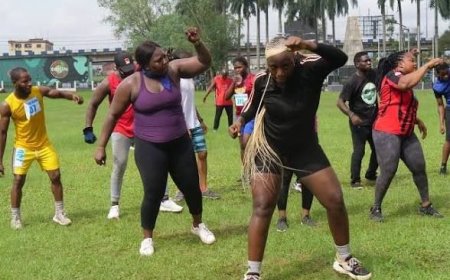
Fitness coaches began setting up outdoor boot camps in public parks and open spaces. Neighbourhood groups started organising early morning runs that cost nothing but the will to show up. Social media pages dedicated to home workouts, no equipment required - amassed followings in the hundreds of thousands. The gym, it turned out, was never really the point. Movement was.
The Street Is the Gym
Ask anyone who grew up in a typical Nigerian neighbourhood and they will tell you that fitness was always embedded in daily life - we just never called it that.
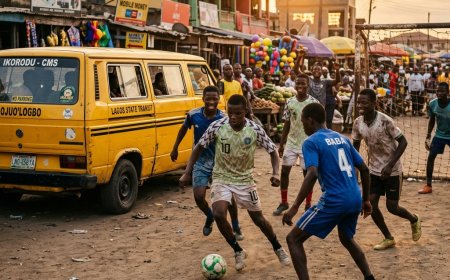
The child who walked two kilometres to school every morning. The trader who carried goods on her head across a market that stretched the length of a football field. The carpenter whose arms were built not from lifting weights but from years of sawing wood and driving nails. The agbero whose entire body was conditioned by the physical demands of a working day that started before sunrise and ended after dark.
What is happening now is not entirely new. It is a reclamation. A conscious decision to take what was always there and make it intentional.
In many Lagos neighbourhoods, open spaces have quietly become unofficial gyms. The concrete bleachers at local stadiums double as step-up platforms. Stairwells in multi-story buildings become cardio equipment for those who know what to do with ten flights. Sand on the beach at Bar Beach or Elegushi has become resistant, running through it is a full-body workout that no treadmill can fully replicate. Tyres that mechanics would otherwise discard are flipped and dragged across compounds by young men who cannot afford a gym membership but are not willing to let that be the reason they stay unfit.
This is grassroots fitness, and it is thriving.
The Rise of the Compound Workout
One of the most interesting trends to emerge in recent years is the explosion of compound-style home workouts - routines built entirely around bodyweight exercises that require nothing but floor space and consistency.
Push-ups. Squats. Lunges. Planks. Burpees. Mountain climbers. Dips off the edge of a sturdy chair. Pull-ups on a door frame reinforced just enough to hold a person's weight. These movements, simple on the surface, are the foundation of serious fitness, and they are free.
Nigerian fitness influencers and local coaches have built entire brands around this reality. Content creators on Instagram, TikTok, and YouTube post daily workout routines filmed in sitting rooms, on rooftops, and in small backyards, not because they cannot afford better settings, but because the setting is part of the message. The message being: you do not need what they told you that you needed.
The results speak for themselves. Bodies built through consistency and functional movement are often more capable, more balanced, and more durable than those shaped purely by machine-based training. The absence of a gym did not create a fitness problem. In many cases, it created a fitness solution.
Community as Infrastructure
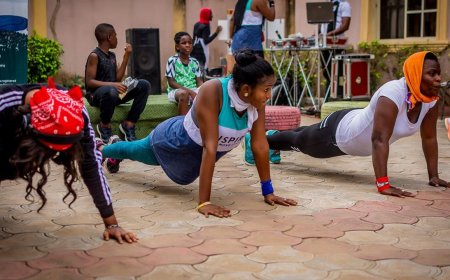
Perhaps the most powerful development in Nigeria's local fitness culture is what happens when people move together.
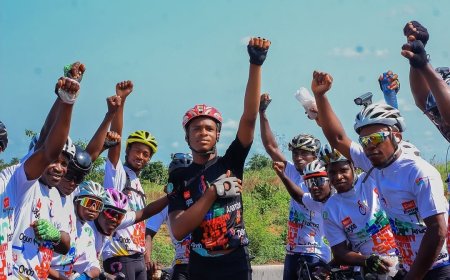
Across Lagos, Abuja, and other urban centres, community fitness groups have become a genuine cultural phenomenon. Early morning run clubs that gather at landmarks - the National Stadium, Ikoyi Park, Muri Okunola, all have thousands of members. They are free to join. They are consistent. And they have created something that no gym membership has ever successfully manufactured: accountability that comes from people who actually know your name.
There is something almost electric about showing up to a group run at 6am and being greeted by familiar faces, about the collective rhythm of feet hitting asphalt, about finishing a hard session surrounded by people who pushed through the same discomfort you did. This is fitness as a community. Fitness as belonging.
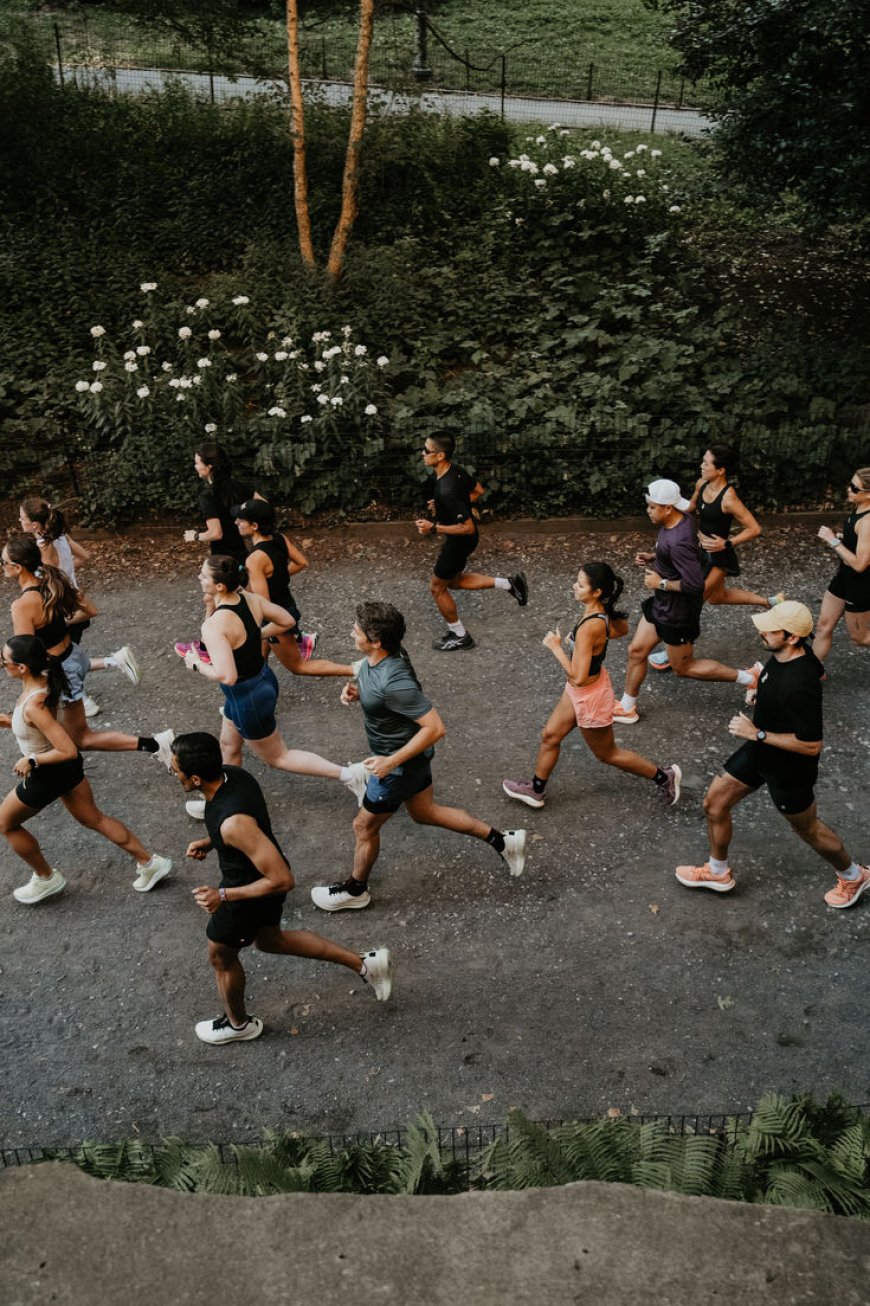
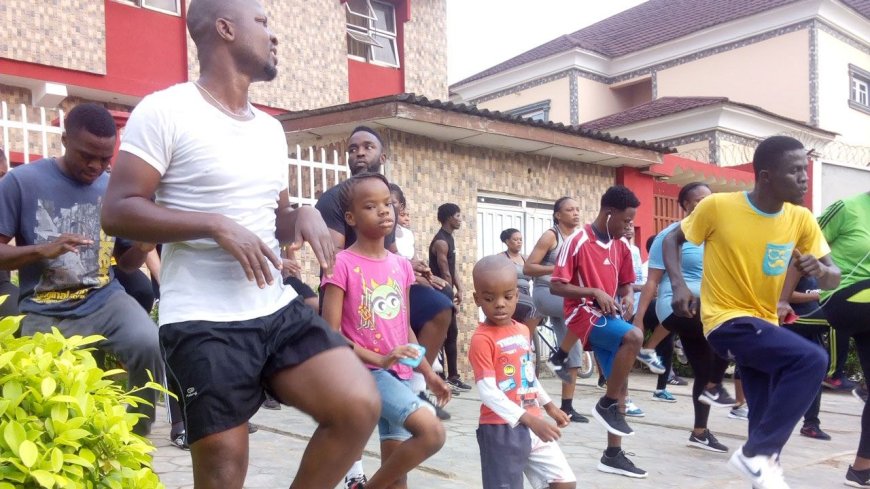
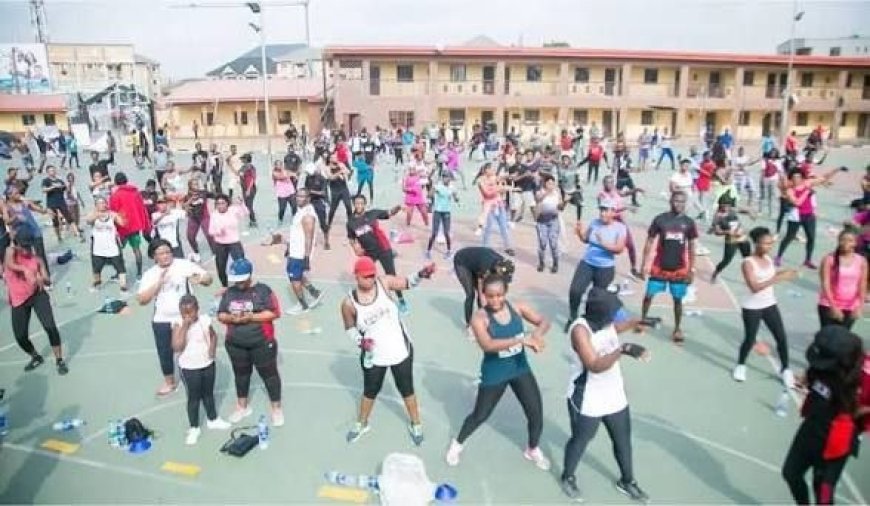
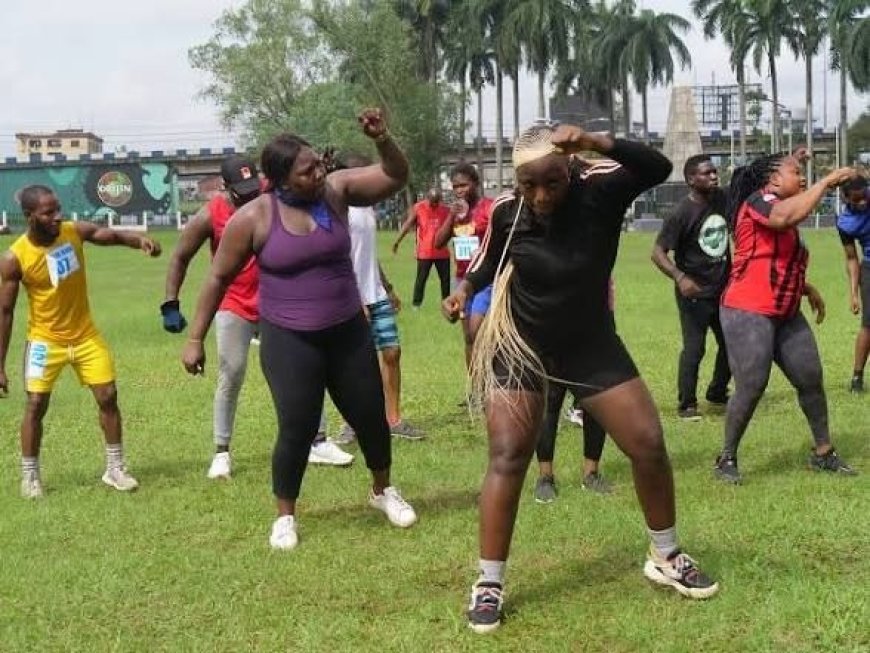
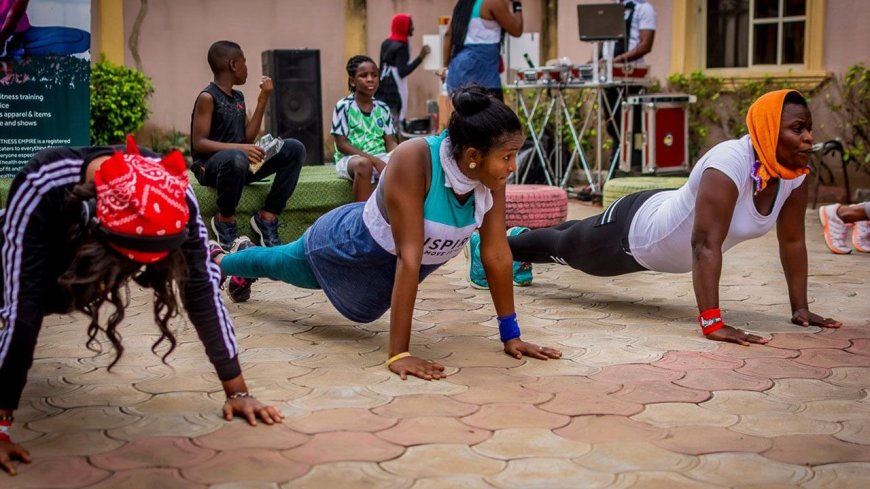
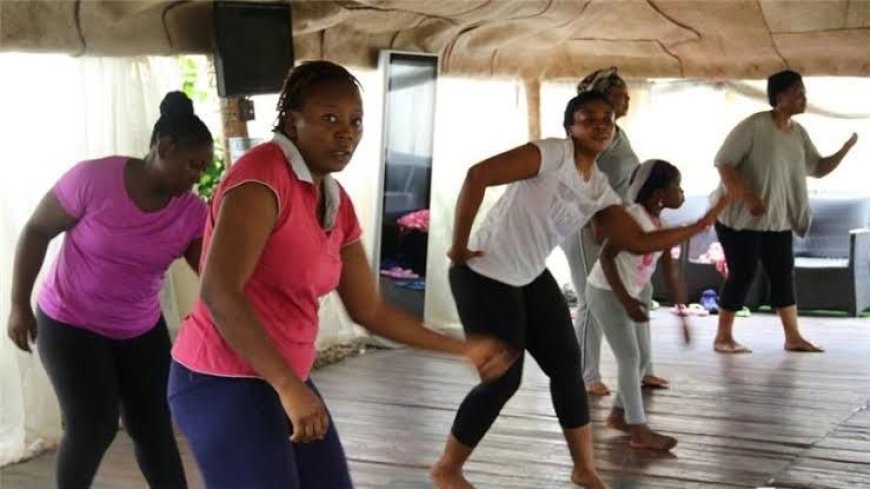
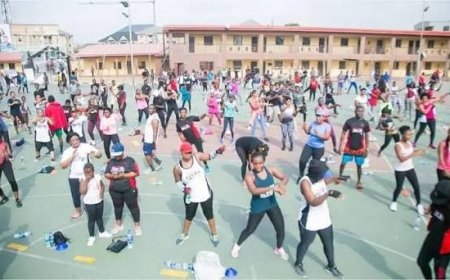
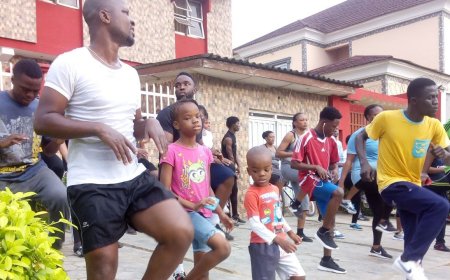
Beyond the running clubs, neighbourhood aerobic sessions - often led by someone with a speaker and a lot of energy, have become fixtures in many residential areas. Mothers, teenagers, office workers, and retirees moving together in someone's compound or a cleared space at the end of a street. Entry is free. The only requirement is showing up.
What the Body Already Knows
There is a woman in Bariga - let's call her Shade, she has never set foot in a gym. She is in her mid-thirties, works long hours, and has three children whose schedules she manages around her own. She does not have the time, the money, or frankly the transport fare to incorporate a gym into her life. What she has is forty-five minutes in the morning before the house wakes up.
She jumps rope in the corridor. She does squats while waiting for water to boil. On weekends, she walks to the market instead of taking a bus, not because she cannot afford the fare, but because she has learned that the walk is medicine. She carries her own groceries. She takes the stairs. She has, over time, built a version of fitness that fits her life rather than demanding that her life fit around it.
Shade is not an exception. She is the rule.
Across Nigeria, millions of people are maintaining their health, building strength, and moving their bodies in ways that the wellness industry has historically ignored because there is no product to sell them. Their fitness does not generate revenue. It does not have a brand deal. But it is real, it is effective, and it is quietly redefining what it means to live well in a country that asks its people to be creative with everything, including their bodies.
Going Forward
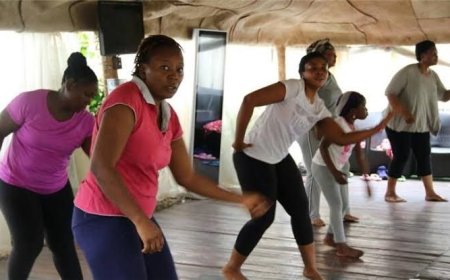
The Fitness Industry globally is beginning to catch up to what Nigerians have known by necessity for years - that equipment is optional, that community is powerful, and that the most sustainable workout is the one you can actually do with what you have.
Minimalist fitness, calisthenics, walking challenges, outdoor group training. These are now premium offerings in wellness markets abroad. Here, they were never premium. They were just Tuesday.
As conversations around health and wellbeing deepen across Nigeria, the local fitness culture that has always existed in our streets, compounds, and communities deserves to be seen, documented, and celebrated. Not as a workaround for poverty, but as a genuine philosophy - one that says the body is enough of a gym, the neighbourhood is enough of a track, and the community is enough of a coach.
The revolution is already happening. It started long before anyone thought to call it one.
What's Your Reaction?
 Like
0
Like
0
 Dislike
0
Dislike
0
 Love
0
Love
0
 Funny
0
Funny
0
 Angry
0
Angry
0
 Sad
0
Sad
0
 Wow
0
Wow
0