


















NIGERIAN RELIGIOUS FESTIVALS AND EVENTS: Celebrating Faith, Unity, and Heritage
Nigerian Religious Festivals: Celebrating Faith, Cultural Heritage, and Unity Across Christian, Islamic, and Traditional Celebrations.
Prefer listening? Tap play and the article will be read aloud.
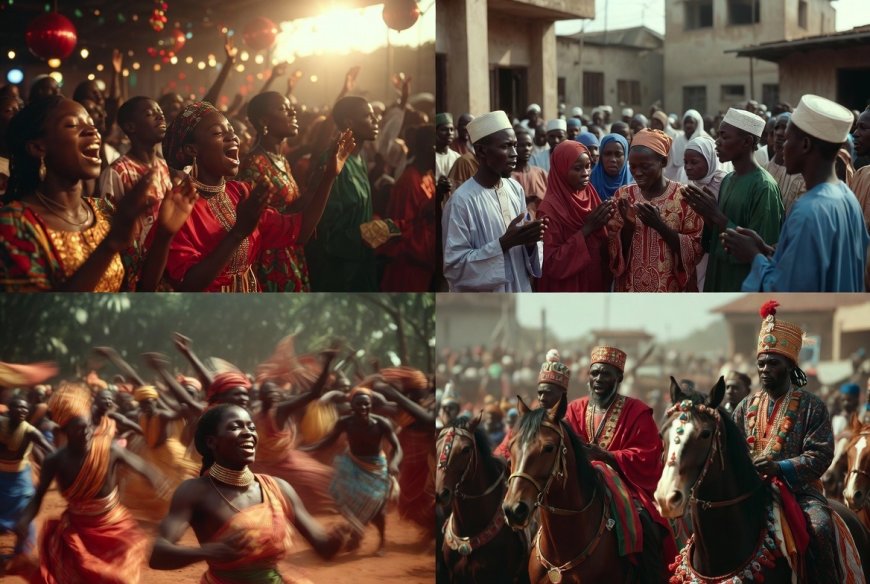
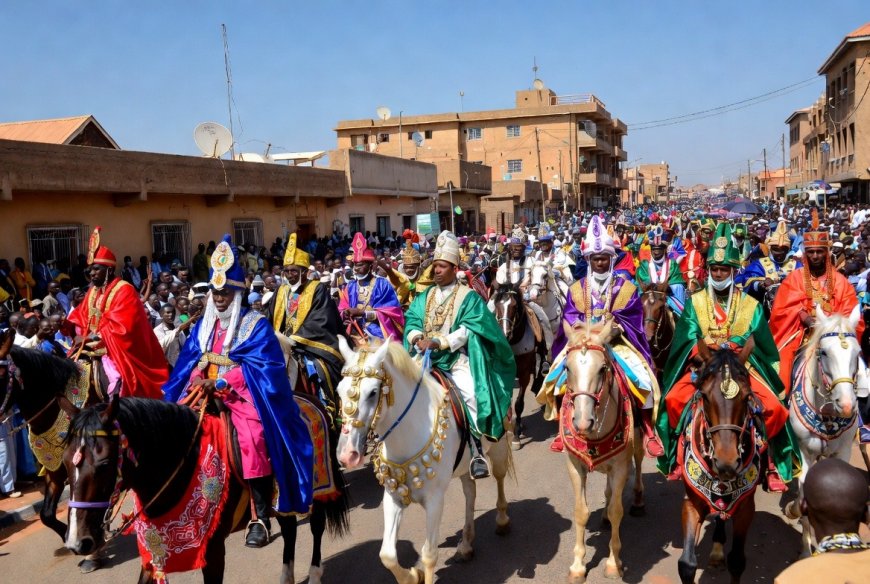
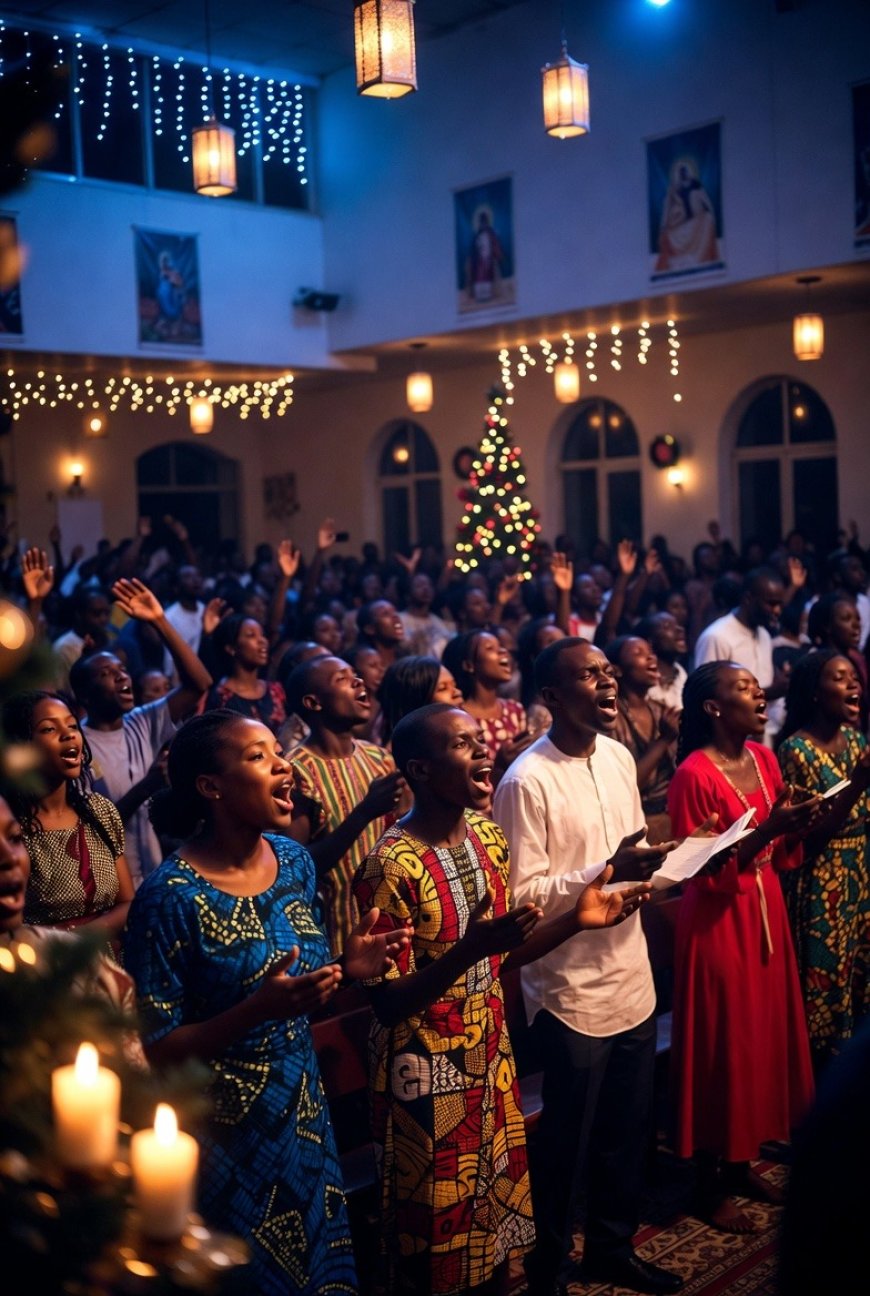
Nigeria’s religious festivals pulse with life, colour, and deep spiritual meaning. From the joyful streets of Lagos during Christmas to the massive prayer gatherings in Kano for Eid al-Fitr, these events bring millions together across a nation of over 200 million people. With roughly half the population Muslim, about 40 percent Christian, and the rest following traditional beliefs, religious festivals reflect Nigeria’s remarkable diversity while highlighting shared values of faith, family, and community. These celebrations are not only spiritual milestones but also powerful moments of cultural expression that strengthen social bonds and boost local economies.
The Strait-like narrow passage of religious practice in Nigeria flows through three major streams: Christianity, Islam, and indigenous traditional religions. Each contributes unique festivals that enrich the national calendar and create public holidays recognised across the country.
CHRISTIAN FESTIVALS
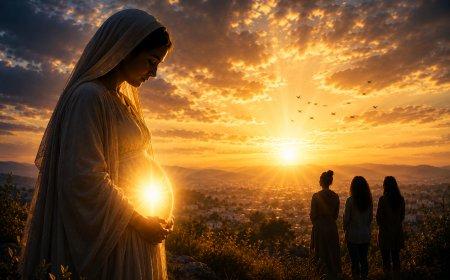
Christmas and Easter stand as the two most prominent Christian celebrations in Nigeria. Christmas, observed on December 25, commemorates the birth of Jesus Christ. In southern states where Christianity is strongest, families attend midnight church services filled with vibrant gospel music, carols, and energetic dancing. Homes are filled with the aroma of jollof rice, fried chicken, and goat meat prepared for large family gatherings. Children receive new clothes and gifts, while communities organise street parties and masquerade displays in some Igbo areas, blending Christian faith with local traditions.
Easter follows a more reflective tone before turning celebratory. Good Friday remembers the Passion and Crucifixion of Jesus, often marked by solemn church processions and fasting. Easter Sunday explodes with joy as the faithful celebrate the resurrection. In many parts of the country, worshippers wear white or bright traditional attire, filling churches for sunrise services. Streets come alive with drumming, dancing, and parades. Easter Monday remains a public holiday, giving families extra time to share meals and reflect on renewal and hope.
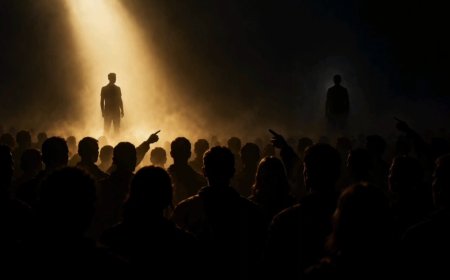
Large Christian events such as annual conventions, Shiloh, and The Experience attract hundreds of thousands. These gatherings feature powerful preaching, worship sessions, and testimonies that draw participants from across Africa, turning religious devotion into moments of national spiritual awakening.
ISLAMIC FESTIVALS
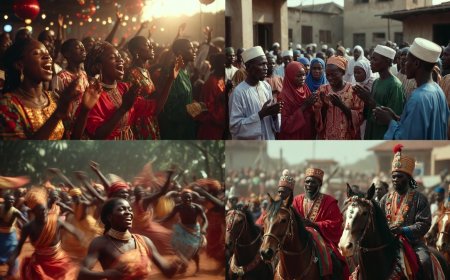
Muslim festivals hold equal prominence and enjoy national recognition as public holidays. Eid al-Fitr marks the end of Ramadan, the holy month of fasting. In 2026, it fell around March 19-20. Families rise early for special prayers at open grounds or mosques. The day bursts with feasting after weeks of dawn-to-dusk abstinence. People wear new clothes, visit relatives, exchange gifts, and give charity (zakat al-fitr) to the less privileged. In northern cities like Kano, streets fill with laughter, music from local drummers, and the aroma of special dishes such as tuwo shinkafa and miya.
Eid al-Adha, also known as Eid al-Kabir or Ileya in Yoruba and Babbar Sallah in Hausa, honours Prophet Ibrahim’s willingness to sacrifice his son in obedience to God. It usually occurs in May or June. The festival’s highlight is the ritual sacrifice of rams, goats, or cattle. Meat is divided into three parts: one for the family, one for relatives and friends, and one for the poor. This act of generosity underscores themes of devotion, sacrifice, and sharing. In many northern emirates, the Durbar festival accompanies Eid al-Adha. Colourful processions of horsemen in traditional regalia ride through the streets to pay homage to the emir, accompanied by music and cheers from thousands of spectators.
Eid al-Maulud, celebrating the birth of Prophet Muhammad, also features special prayers, lectures, and processions in many communities, though it is observed with varying levels of festivity.
TRADITIONAL AND INDIGENOUS RELIGIOUS EVENTS
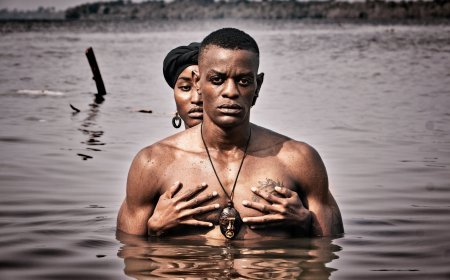
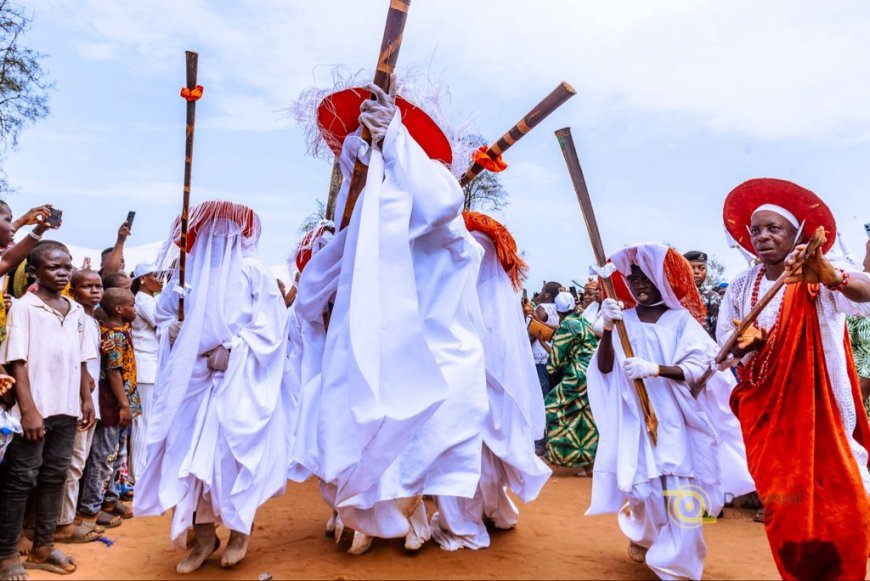
Nigeria’s traditional religions, though practised by a smaller percentage, maintain vibrant festivals that preserve ancient heritage. The Osun-Osogbo Festival stands out as one of the most famous. Held annually in August in Osogbo, Osun State, this two-week event honours Osun, the Yoruba goddess of fertility, love, beauty, and freshwater. Thousands gather at the UNESCO-listed Osun Sacred Grove for rituals, processions, music, dance, and offerings. A virgin carries a sacred calabash in a grand procession from the king’s palace to the shrine. The festival attracts devotees, tourists, and even Christians and Muslims who participate in the cultural aspects, demonstrating Nigeria’s capacity for religious tolerance and cultural appreciation.
In northern Kebbi State, the Argungu Fishing Festival combines cultural and spiritual elements. Though primarily a fishing competition, it includes prayers and rituals rooted in local beliefs. Fishermen compete to catch the largest fish in the river using traditional methods, accompanied by music, wrestling, and horse displays.
The Ojude Oba Festival in Ijebu-Ode, Ogun State, occurs a few days after Eid al-Adha. Muslim groups, including age-grade societies, parade in colourful attire to pay homage to the Awujale, the traditional ruler. What began as a gesture of gratitude for land granted for a mosque has evolved into a grand display of unity between Islamic faith and Yoruba cultural heritage.
Other events like the New Yam Festival (Iri Ji) in Igbo communities thank the gods for a bountiful harvest, blending spirituality with gratitude for agricultural blessings.
ECONOMIC AND SOCIAL IMPACT
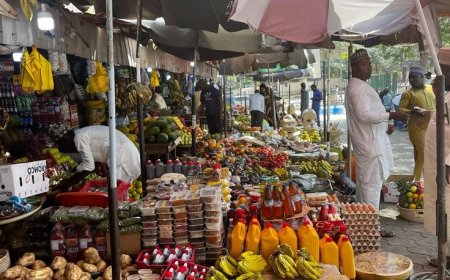
These religious festivals generate significant economic activity. Markets overflow with clothing, food, and gifts. Hotels and transport companies see surges in demand. The Osun-Osogbo Festival, for instance, draws international visitors and boosts tourism revenue. Large Christian gatherings inject millions into host cities through accommodation, feeding, and local services. Overall, festivals stimulate hospitality, entertainment, and small businesses while creating seasonal employment.
More importantly, they foster national unity. In a country with a complex religious landscape, shared public holidays and mutual respect during celebrations promote dialogue and peaceful coexistence. Families from different faiths often visit one another during Eid or Christmas. Interfaith participation in cultural aspects of festivals, such as Osun-Osogbo, shows that spiritual diversity can enrich rather than divide.
CHALLENGES AND THE WAY FORWARD
Despite their beauty, religious festivals sometimes face challenges. Overcrowding at prayer grounds or processions can strain infrastructure. In some years, security concerns arise amid broader national tensions. Environmental impact at sites like the Osun Grove requires careful management to preserve sacred spaces for future generations.
Yet the positive outweighs the difficulties. These events remind Nigerians of their shared humanity. They teach values of sacrifice, generosity, gratitude, and community. As the nation navigates economic pressures and social dynamics, religious festivals offer moments of joy, reflection, and reconnection.
CONCLUSION
Nigerian religious festivals and events form a rich tapestry that weaves faith, culture, and daily life into one vibrant whole. Whether it is the solemn prayers of Eid, the joyful carols of Christmas, the colourful processions of Durbar, or the sacred rhythms of Osun-Osogbo, each celebration tells a story of devotion and resilience.
As a young Nigerian witnessing these events year after year, one sees clearly how they transcend religious boundaries to affirm our common identity. They provide opportunities for family bonding, cultural preservation, economic growth, and peaceful coexistence. In a world often divided by differences, Nigeria’s religious festivals stand as living proof that diversity, when celebrated with respect and sincerity, becomes a source of strength.
These events deserve accurate and respectful coverage that highlights their true essence — not sensationalism, but the genuine expressions of faith that continue to shape and uplift communities across the country. By understanding and appreciating them, both Nigerians and visitors gain deeper insight into the soul of this dynamic nation.
What's Your Reaction?
 Like
0
Like
0
 Dislike
0
Dislike
0
 Love
0
Love
0
 Funny
0
Funny
0
 Angry
0
Angry
0
 Sad
0
Sad
0
 Wow
0
Wow
0