PCOS ( Polycystic Ovary Syndrome).
This article offers a comprehensive overview of Polycystic Ovary Syndrome (PCOS)—a common yet often misunderstood hormonal disorder affecting women of reproductive age. It explores the causes, symptoms, diagnosis, and impact of PCOS across different age groups. The article also debunks common myths about PCOS, such as its association with weight or infertility, and emphasizes the importance of awareness, early diagnosis, and individualized treatment strategies for effective management. Meta Description: Learn about PCOS, a common hormonal disorder in women. Discover its symptoms, causes, diagnosis, myths, and how it affects health across different ages. Early awareness is key to effective management.
 Favour

Polycystic ovary syndrome (PCOS)is a common hormonal disorder affecting women of reproductive age. It impacts hormone levels,metabolism,fertility and overall health. Many women with PCOS go undiagnosed,making awareness and early treatment important.
PCOS involves hormone imbalances, irregular periods and sometimes, small cysts on the ovaries. A cyst is a small,closed sac in the body filled with fluid,air or other material. It can grow under the skin or inside organs. Most cysts are harmless and painless,but some can become swollen,painful or infected and may need treatment. However,cysts are not always present.
HOW COMMON IS PCOS?
Polycystic ovary syndrome (PCOS) affects a significant number of women during their reproductive years,making it one of the leading hormonal health concerns worldwide. It is estimated that 1 in 10 women worldwide are affected by PCOS. However, the actual number could be higher, as many cases remain undiagnosed due to varying symptoms and lack of awareness.
CAUSES AND SYMPTOMS OF PCOS.
The exact cause of PCOS is not known, but several factors are believed to contribute. One key factor is genetics — PCOS often runs in families, meaning having a mother, sister, or aunt with PCOS increases a woman's likelihood of developing the condition. Hormonal imbalances are another major contributor. Women with PCOS typically have elevated levels of androgens (male hormones). They also have imbalances in insulin (the hormone that controls blood sugar) are also common and can worsen symptoms. There are also lifestyle factors which include poor diet,lack of physical activity and obesity which can contribute to insulin resistance and hormonal disturbances.
However,PCOS can also occur in women who are lean and physically active.
PCOS can show up in different ways, but some of the most noticeable symptoms include: irregular/absent periods, drastic weight gain, hair loss and thinning as well as mood swings.
Other signs may include acne or oily skin, excessive facial or body hair (a condition called hirsutism), difficulty getting pregnant, and even dark patches of skin, especially around the neck or underarms.
These symptoms can vary from person to person, which is why PCOS often goes undiagnosed for years. If you notice any of these changes in your body, it’s important to speak with a healthcare professional for proper evaluation and support.

Causes and symptoms of PCOS
SO, HOW IS PCOS DIAGNOSED?.
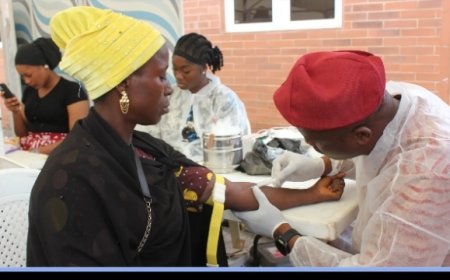
Diagnosing PCOS involves a combination of a medical history review, (menstrual patterns, weight changes, family history) physical examination and blood tests to measure hormone levels (androgens, insulin, glucose) as well as pelvic ultrasound to look for cysts on the ovaries.
COMPARISONS AND RELEVANCE OF PCOS AMONG DIFFERENT AGE GROUPS.
PCOS commonly affects women in their late teens to early 30s.
Symptoms often start during adolescence,but diagnosis may be delayed until adulthood when fertility becomes a concern.
In younger women(teens and early twenties)Irregular periods and acne are more prominent symptoms.
Some symptoms like Irregular periods,may improve with age,but risks of long-term complications like type 2 diabetes,heart disease and endometrial cancer persist.
MYTHS AND MISCONCEPTIONS ABOUT PCOS
Polycystic Ovary Syndrome(PCOS) affects millions of women worldwide and yet it remains surrounded by myths and misconceptions. These misunderstandings can unfortunately delay early diagnosis, complicate the treatment process and add unnecessary emotional burden to those affected. There have been so many myths surrounded by PCOS and some of them are;
MYTH # 1: YOU ARE THE REASON YOU HAVE PCOS.
While the exact cause of PCOS is yet to be known, one thing is affirmed: You are not to blame. Several factors, including genetics, are widely believed to play a role in the cause of PCOS.
Androgens also known as the male hormones “ control the development of male traits”. Women generally produce small amounts of these hormones but the same is not the case for those with PCOS as they possess more androgens than normal which can hinder ovulation and make it difficult to have a regular menstrual cycle.
MYTH #2: ALL WOMEN WITH PCOS ARE OVERWEIGHT
Another popular myth surrounding PCOS is the fact that women who are plus-size have PCOS. While weight gain is a common symptom due to insulin resistance, many women with PCOS maintain a normal weight and some are even underweight. PCOS affects all body sizes and slim women also experience the same hormonal imbalances, irregular to rare periods and fertility challenges as those who are plus-size.
MYTH #3: PCOS CAUSES INFERTILITY
Another major misconception that has caused fear and great concern among the female gender is that PCOS causes infertility. While PCOS can make conception more difficult by disrupting ovulation, it does not mean pregnancy is impossible. There are many women who have conceived naturally, or with minimal medical intervention so with proper lifestyle management, medication, and fertility treatments can significantly improve the chances of conceiving.
There is also a belief that PCOS is solely a reproductive disorder. In reality, PCOS is actually an endocrine disorder that impacts the whole body and not just the ovaries and places women with this diagnosis at higher risks of type 2 diabetes or even certain types of cancer in extreme cases.
There is no one size fits all cure for PCOS but symptoms can be effectively managed, through a combination of some specific treatments like medication or even lifestyle changes.
Health providers may recommend weight loss through a low calorie diet combined with moderate exercise activities because even a modest reduction in weight can improve your condition.
Taking progestin for 10 to 14 days every 1 to 2 months can help regulate your period and protect against endometrial cancer.
In conclusion, so many people believe that PCOS symptoms are merely cosmetic concerns such as acne, hirsutism ( excess hair growth), and hair loss. While these symptoms do impact appearance, they are signs of deeper hormonal issues that require medical attention and not taking these symptoms seriously can prevent women from seeking actual diagnosis and receive treatment.
PCOS is a complex and lifelong decision that is misunderstood greatly and letting go of these myths and misconceptions is very essential for early diagnosis, effective management. Greater awareness and education of women of all ages can empower them to seek help and get the necessary care they deserve.