The Genetic Link to Food Allergies: How Family History Affects Your Risk
This article explains how family history can influence the chances of developing food allergies. It breaks down the difference between allergies and intolerances, outlines common triggers, and highlights the symptoms people should watch for. It also shows how environmental influences like early food introduction, gut bacteria, and sunlight exposure contribute to rising allergy rates. Although genetics plays a role, the article makes it clear that allergies can still develop even without family history.
 Victoria Effiong
Food allergies are becoming an increasing global concern. An analysis of 51 studies conducted in 2024 reveals that the prevalence of these cases ranges from 3% to 35%, based on self-reports from various countries.
However, when verified through credible tests such as skin pricks or blood IgE, the actual average is closer to about 3%.
In 2025, approximately 250 million people are currently living with at least one food allergy, and this number is expected to rise to 340 million by 2030.
Food Allergy vs Intolerance: Understanding the Difference
Food allergies occur when the immune system mistakenly identifies specific food proteins as harmful and launches a defense against them. Although these proteins are typically harmless, the body reacts as though they are dangerous invaders.
In contrast, food intolerance arises from the body's inability to properly digest certain foods, often due to a lack of the appropriate enzymes. This can lead to symptoms such as bloating, gas, or diarrhea.
Unlike allergies, intolerances do not involve the immune system and are generally not life-threatening.
Common Causes of Food Allergy
According to research, more than 90% of food allergies are caused by the following foods:
- Peanuts
- Milk
- Eggs
- Shellfish
- Wheat
- Soy
- Fish
- Tree nuts
Symptoms of Food Allergies
Food allergies can be managed by avoiding "trigger foods" and quickly identifying and treating symptoms, as there is currently no known cure.
If you suspect a food allergy, it's important to speak with your doctor about testing options, such as a blood test or a skin prick test, to confirm the cause of your symptoms.
This significant health issue can develop suddenly or over several hours, with symptoms ranging from mild to severe.
Mild symptoms of a food allergy may include:
- Diarrhea
- Abdominal pain
- Swelling of the face or other body parts
- Sneezing
- Runny nose
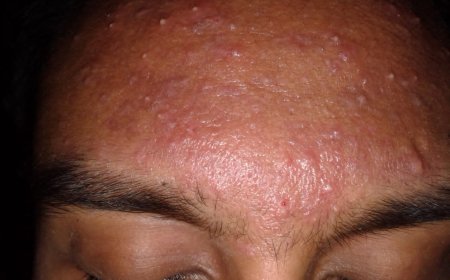
- Skin rashes
When a food allergy becomes severe, it can trigger a life-threatening reaction called anaphylaxis.
Symptoms of anaphylaxis include:
- Dizziness
- Swelling of the tongue, throat, or lips
- Difficulty breathing
- Vomiting
- Hives
- A sudden drop in blood pressure
Can Food Allergies Be Hereditary?
 Image source: ImageSearchMan
While a genetic link to the development of allergies is known, children do not directly inherit specific allergies from their parents. However, a parent with a food allergy may be more equipped to recognize and help prevent similar or other allergic reactions in their child.
If a child has a parent with an atopic disease or a family history of atopy, they are more likely to develop a food allergy. Atopy refers to a genetic tendency in which the immune system is more prone to allergic diseases.
These diseases are inherited through genes and often manifest as conditions such as eczema, asthma, hay fever, and food allergies.
Research shows that if one parent has an allergic condition, their child has about a 30-40% chance of developing a similar sensitivity. When both parents are affected, that risk rises to 60-80%.
Studies involving twins also provide strong evidence for the genetic component.
Identical twins, who share the same DNA, are much more likely to both have food allergies compared to non-identical twins.
Scientists have identified specific genes linked to allergic reactions to food. For example, variations in HLA genes, which help the immune system recognize harmful substances, have been associated with peanut allergies and other intolerances.
Another essential gene is filaggrin, which plays a role in maintaining healthy skin. Mutations in this gene increase the risk of eczema, and children with eczema are at a higher risk of developing food allergies.
There is a strong connection between eczema and food allergies. Studies show that newborns with eczema, or a history of it, are at a higher risk of developing such sensitivities later in life.
This may occur because food allergens interact with the immune system during feeding as it learns to distinguish what is safe.
If food proteins are first introduced through the skin, especially in children with eczema, the immune system may become sensitized and mistakenly launch an immune response. This sensitization process leads to the development of a food allergy.
Beyond Genetics: The Role of Environment
While genetics plays a role, it isn't the only factor that causes allergies. If genetics were the sole cause, the rise in cases wouldn't be happening so rapidly. Environmental factors also significantly contribute to the development of food allergies.
Recent studies suggest that introducing potentially allergic foods early may help prevent allergies, rather than avoiding them altogether.
The LEAP research shows that introducing peanuts to high-risk babies between 4 and 6 months of age reduces the development of peanut allergies by 86%. This contradicts the previous recommendation to avoid these foods.
Other factors influencing the risk of food allergies include the types of bacteria in the gut, vitamin D levels, and geographical location. Children raised in areas with less sunlight exposure tend to have higher rates of allergies.
Who is at Higher Risk?
Having a family member with allergies increases your risk of developing them. However, it is known that about 50% of children who develop food allergies have no family history of the condition. This means that food allergies can occur even in families without a history of them.
Children are considered high-risk if they have a parent or sibling with confirmed food allergies, moderate to severe eczema, or other allergic conditions, such as asthma.
It is recommended that these children be regularly examined by a doctor or allergist.
The Importance of Understanding Food Allergy Risks
Living with a food allergy isn't a death sentence, but it can be life-threatening, especially when it leads to anaphylaxis. This condition can significantly affect a person's overall quality of life and health.
If you have a family member with allergies, you may also be at risk, although it's not always certain. Certain genetic traits can influence how our bodies respond to different foods, making some individuals more likely to experience allergic reactions.
Food allergy awareness is one of the most effective ways to reduce the risks associated with allergic reactions. Encouraging early diagnosis can help protect those with food allergies, even if it doesn't prevent the condition.
To summarize, food allergies do have a genetic component. Understanding this connection can go a long way in helping to prevent and manage allergies more effectively, ultimately supporting better long-term health.
Stay informed and prepared, because understanding your family's allergy risk today could protect a life tomorrow.