










































Thou Can’t Filter Heritage: Scars to Seams
This article traces the journey of African tribal markings from deeply rooted cultural archives of identity and protection to their modern echoes in global fashion. It contrasts the colonial era dismissal of scarification as "primitive" with the current industry's celebration of raised seams and body-mapping silhouettes as "bold innovation". Ultimately, it calls for a recognition of the lived experiences behind the aesthetic, highlighting designers who translate these ancestral stories into garm

Prefer listening? Tap play and the article will be read aloud.

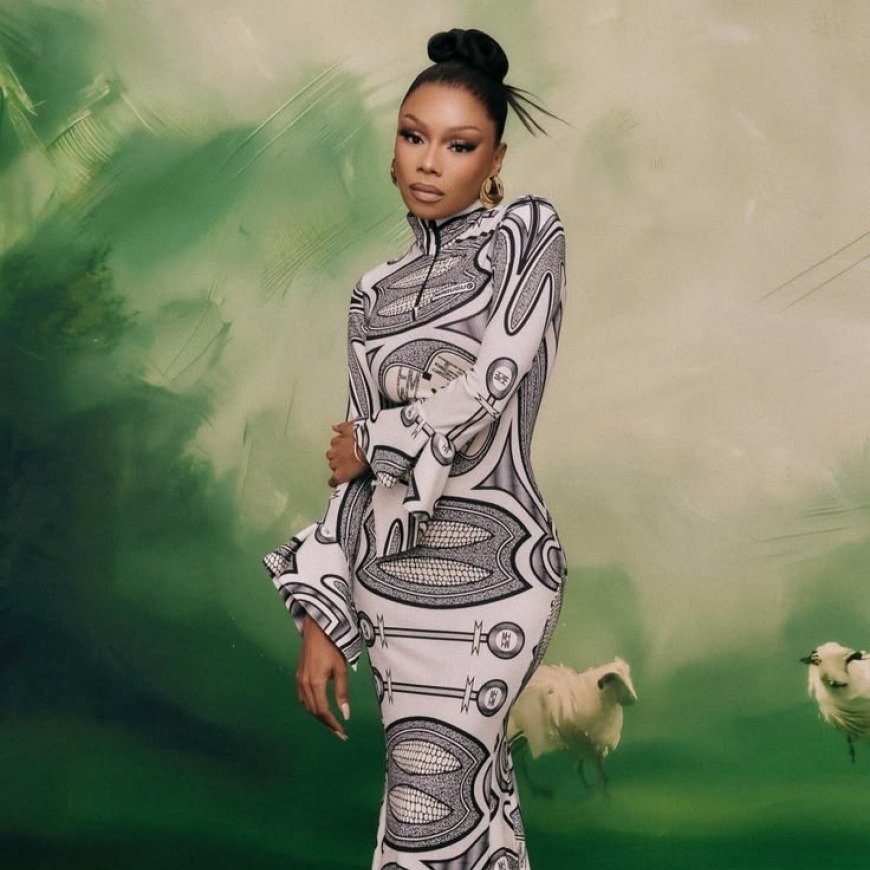
The Iconic TM Basotho Motif print in black Bone White Dress by Thebe Magugu
Across various African communities, including the Yoruba of Nigeria and the Dinka of South Sudan, scarification served as a deeply rooted cultural practice long before colonial rule disrupted these traditions in the 19th and 20th centuries. Today, echoes of these markings can be seen on global runways in fashion capitals such as Paris and Milan, where designers reinterpret texture and form in ways that mirror these ancestral identities.
In a world that constantly demands a single ideal beauty, we are forced to reset and told to hide our most unique traits. For too long, beauty has been reduced to a narrow checklist: smooth skin, a perfect face, and an hourglass figure. But that is not what beauty is.
There was a time when tribal marks told you where someone came from before they ever spoke; the body was a map, a surname written on skin. Today, those same lines reappear on runways, editorial shoots, and beauty campaigns, though rebranded as art, edge, or avant-garde.
It’s imperative to remember that fashion didn’t invent this language; it inherited it, selectively so.
When the Body Was the First Archive
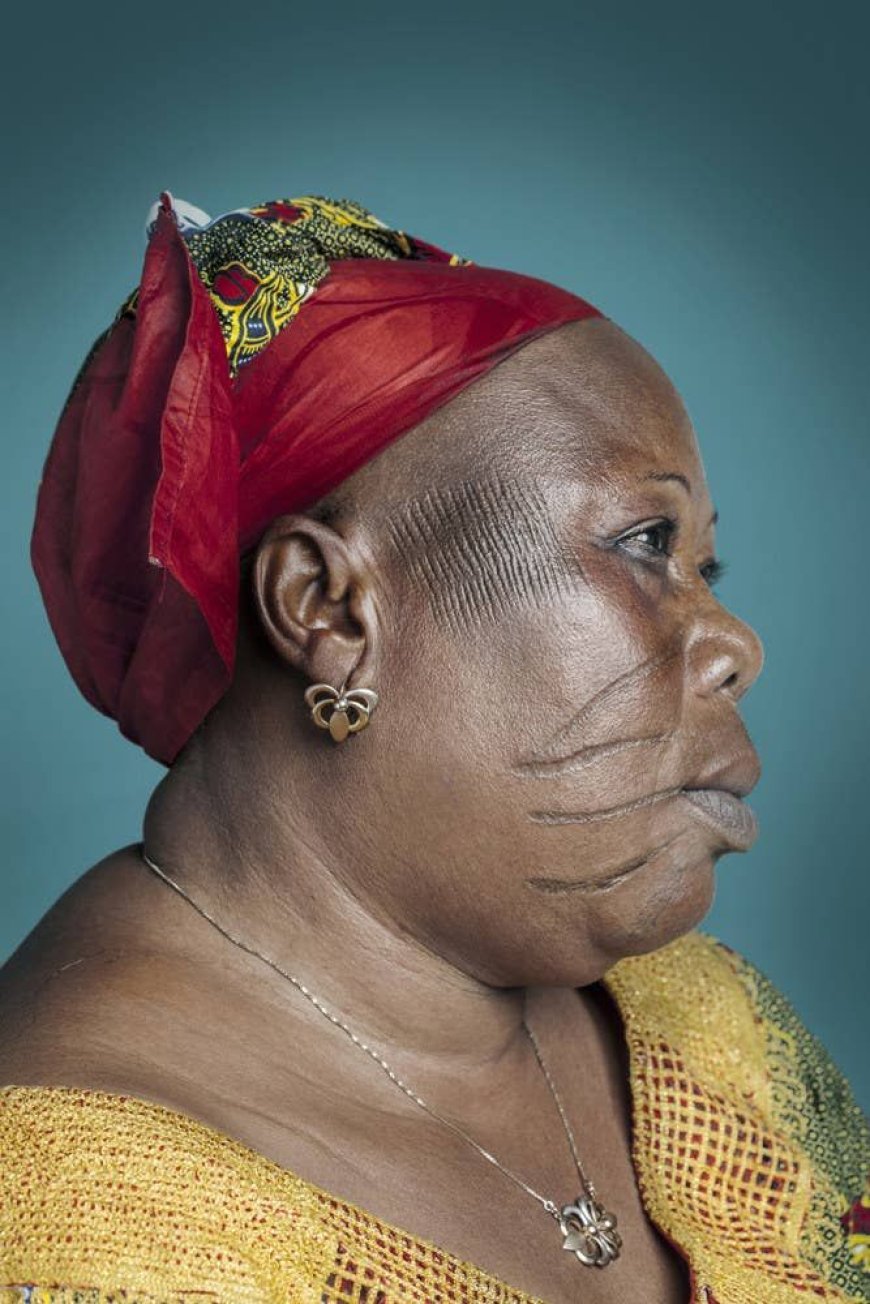
Buzzfeed
Before fabric-draped bodies, bodies carried meaning. Scarification was never decoration. It was lineage, protection, initiation, and belonging. For multitudes it marked survival, not spectacle. In many African communities, these markings said, "I am from here." "I am seen. I belong, or as elders in Setswana would say, “Motho ke motho ka batho” (loosely translated to “a person is a person through others”)
Colonial systems disrupted this visual language, labeling it 'primitive' or 'uncivilized,' something to be hidden, erased, or corrected. The body had to become ‘neutral’ to be acceptable, smooth, unmarked, and safe. And yet, funny enough fashion would later come back for those same ‘uncivilized’ lines.
From Scar to Stitch: When Fashion Reclaimed What It Once Rejected
Modern fashion celebrates what it once dismissed. Texture is now innovation. Raised seams are intentional. Sculptural silhouettes trace the body with precision. Linear embroidery mirrors the language of healed skin.
Elements once rooted in cultural identity now appear as the following:
-
Textured textiles
-
Structured seam work
-
Raised stitching
-
Body-mapping silhouettes
On runways, these details are called bold. In editorials, they are described as ancestrally inspired. The craftsmanship is admired. The aesthetic is applauded.
But beneath that admiration lies a tension fashion rarely acknowledges.
The same visual language that is now celebrated was once misunderstood, even punished, on the bodies that carried its original meaning.
When Africa wore it, it was shame.
When fashion wears it, it becomes vision.
That contradiction does not disappear. It lingers quietly, woven into every stitch.
Ekasi Memory, Global Language
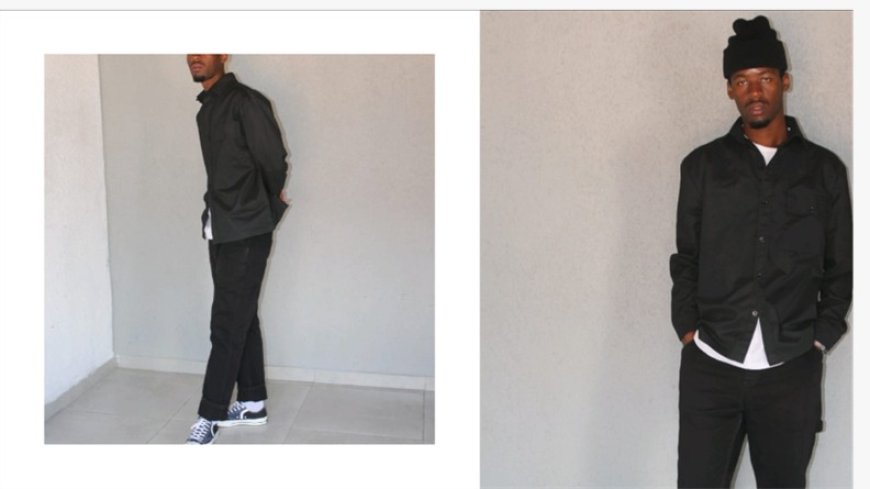
Supplied Image of Rofhiwa Musetha in Kasi "Amapantsula" Style
In ekasi (a word for township in South African slang), we understand quiet coding. You don’t always announce who you are; you let details speak. It appears in the way you part your hair, the ring you never remove, and the fabric you choose for a family event.
Modern Africans may not wear tribal marks anymore, but we wear echoes:
-
Through textured textiles
-
Through symbolic jewellery
-
Through clothing that maps the body with intention
Style becomes a negotiation between remembering and surviving.
As the saying goes, “Sikhulele e’kasi, asikhohlwa.” (Raised in the township, we don’t forget.) Even if the world prefers, we forget.
Fashion’s Selective Amnesia
The issue is not inspiration. Culture has always informed fashion.
The issue is selective amnesia.
Fashion archives the visual but often omits the violence. It borrows the aesthetic but discards the history. It celebrates texture yet forgets the skin it once came from.
What remains visible is the spectacle. The silhouette. The palette.
What is often erased are the people, the politics, and the lived experiences behind them.
This allows fashion to appear progressive while avoiding deeper accountability.
But that silence is beginning to shift.
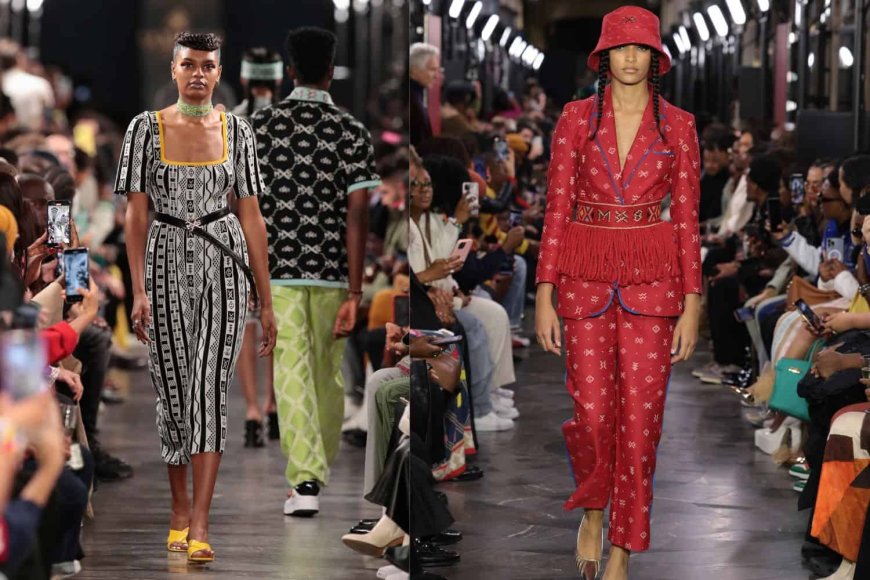
Laduma Ngxokolo, owner of Maxhosa fashion releases his runway
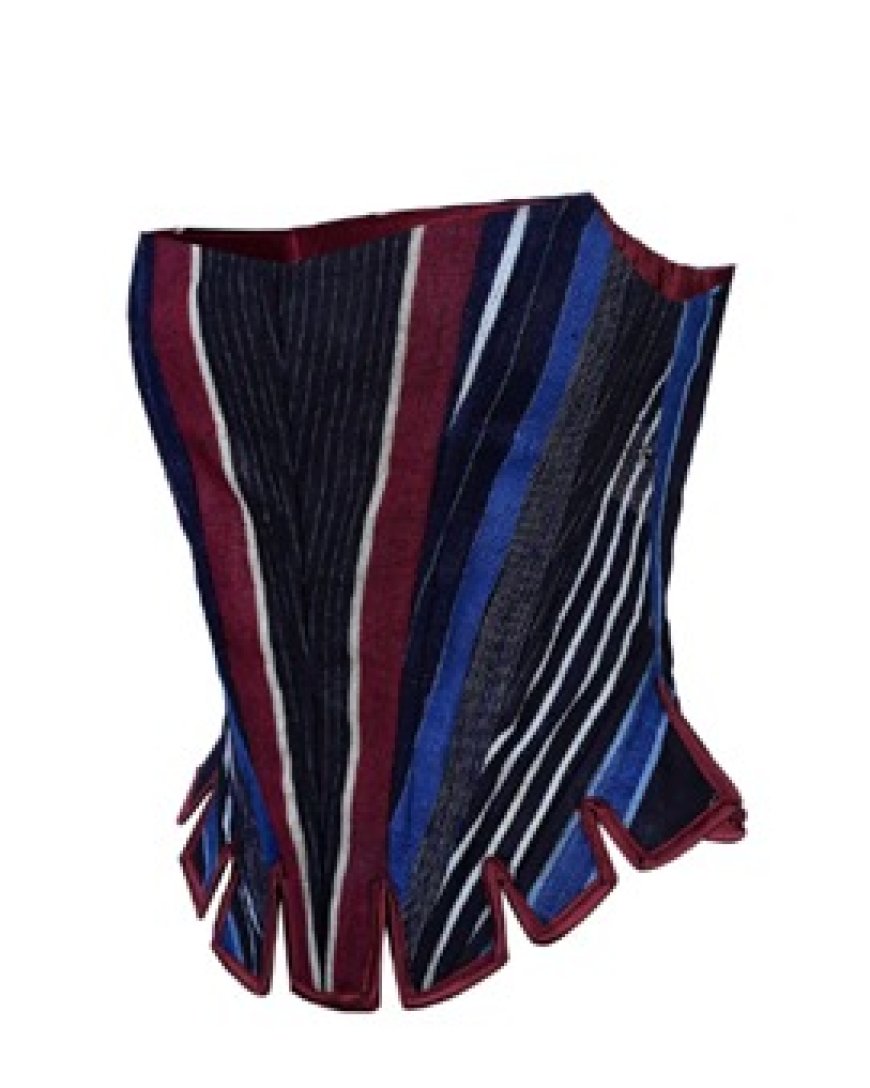
Ola Aso Oke Corset Top by KÍLẸ̀ŃTÀR
African designers are reclaiming this narrative, translating ancestral markings into garments with context, dignity, and authorship (see Laduma Ngxokolo’s Maxhosa & KÍLẸ̀ŃTÀR by Michelle Adepoju). Texture becomes testimony, stitch becomes story, and oh, fashion returns meaning to what was once stripped of it.
Glow-Up or Return?
Perhaps the real transformation is not about reinvention but recognition.
Beauty did not begin with trends. It began with identity. With heritage. With community. Long before fashion houses named silhouettes, people were already dressing themselves in stories. So, the next time a textured garment moves down a runway, it is worth asking:
What does it echo?
Who did it belong to first?
Because tribal markings were never just aesthetic. They were about belonging. And fashion, at its most powerful, is not when it reinvents the past, but when it remembers it.
What's Your Reaction?
 Like
0
Like
0
 Dislike
0
Dislike
0
 Love
0
Love
0
 Funny
0
Funny
0
 Angry
0
Angry
0
 Sad
0
Sad
0
 Wow
0
Wow
0