






































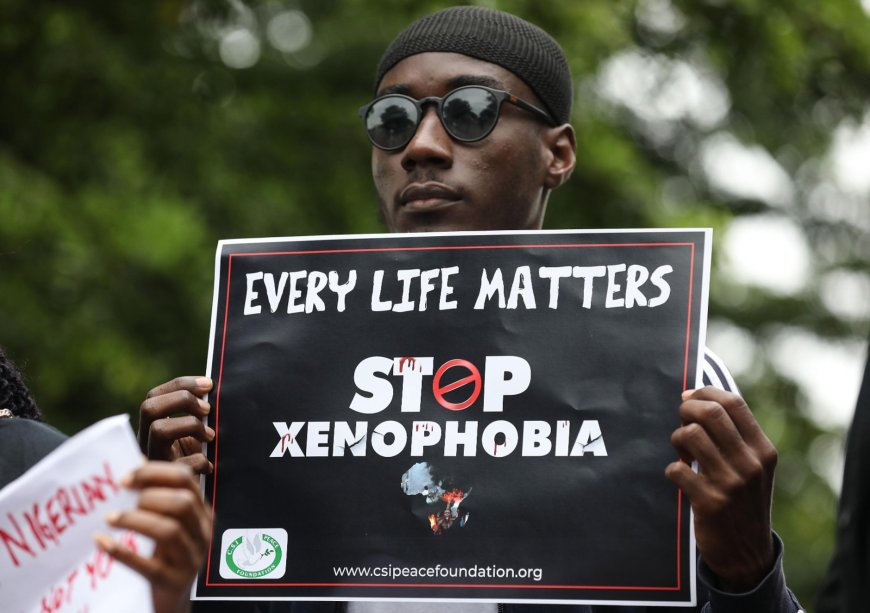
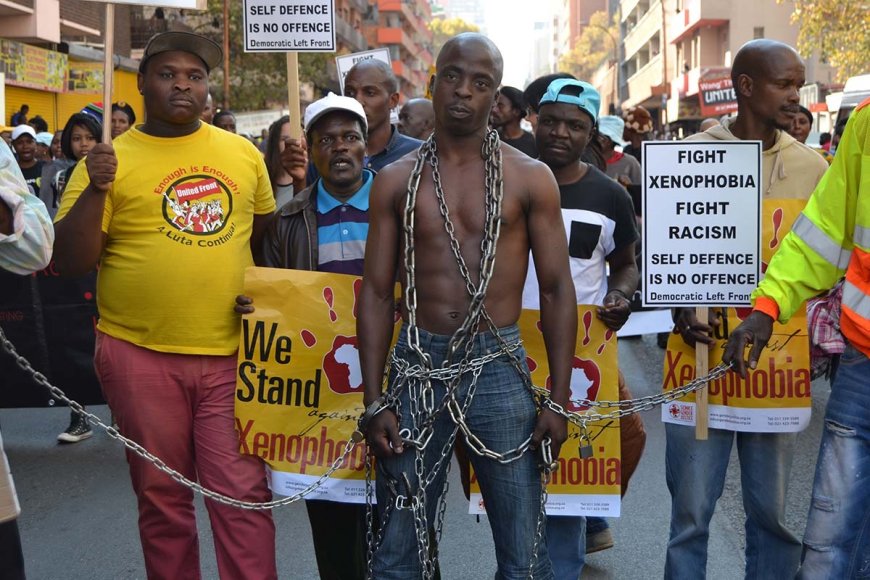
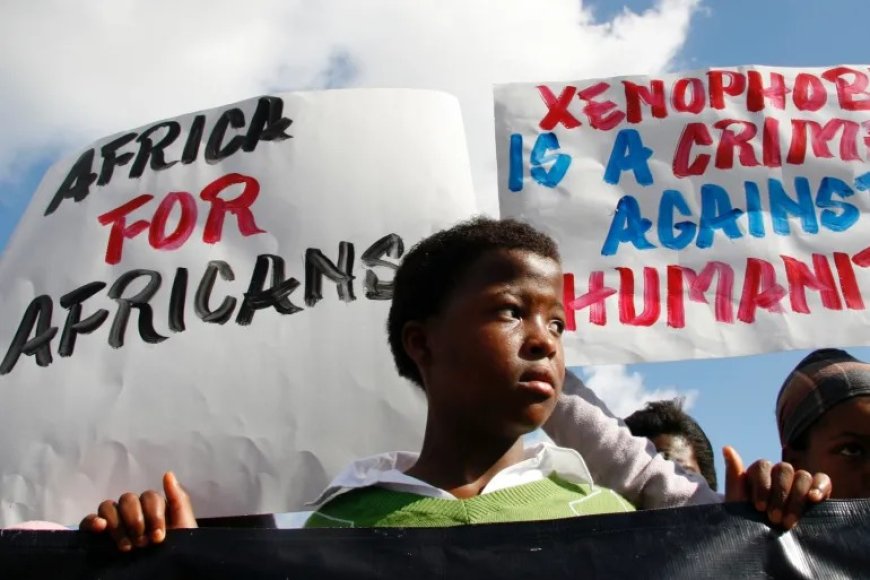
Xenophobia and the Nigerian Question: Looking Beyond the Headlines
Africa preaches unity, yet Nigerian migrants continue to face xenophobia in countries like South Africa and Ghana. This in-depth article explores the deeper historical, economic, cultural, and psychological reasons behind the tensions — from the 1969 Ghana expulsions and Nigeria’s “Ghana Must Go” era to recurring violence in South Africa. Through balanced voices from both sides, it examines competition, envy, governance failures, and the gap between Pan-African rhetoric and reality. A call for h
Prefer listening? Tap play and the article will be read aloud.
CO-WRITTEN WITH ORATILE MOKGATLE
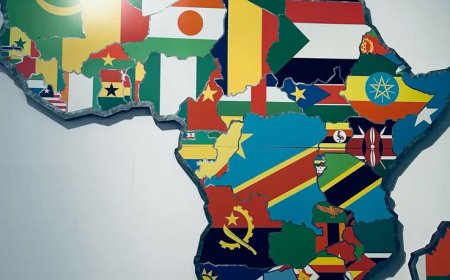
On paper, Africa has always articulated the language of unity. Nigeria played a significant role in the fight against apartheid. The vision of shared progress inspired African regional bodies like ECOWAS (Economic Community of West African States) and the AU (African Union). Nevertheless, Nigerian migrants in various regions, from parts of South Africa to areas in West Africa and beyond, still encounter tension and resentment from other Africans.
In the African context, it is far more complex, influenced by economic pressures, cultural frictions, historical grievances, political scapegoating, and the psychology of visible success amid widespread hardship. While real frustrations exist on all sides, violence solves nothing and only deteriorates the unity Africa claims to pursue.
A History That Still Speaks
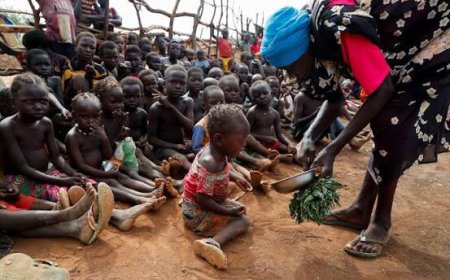
Source: Biafran Update
Tensions between African “brothers” did not begin yesterday. In 1969, Ghana’s Aliens Compliance Order led to the mass expulsion of hundreds of thousands of West Africans, with Nigerians (many traders and workers) among the hardest hit. During the economic downturn, job scarcity, and indigenization policies, migrants were framed as burdens.
Nigeria later responded in kind. In 1983 (with a follow-up in 1985), amid crashing oil prices and rising unemployment, the government ordered the expulsion of undocumented migrants. Over a million West Africans — mostly Ghanaians were affected. The episode became known as “Ghana Must Go,” symbolized by the cheap bags many carried home. What started as economic survival tactics left deep scars of humiliation and resentment on both sides.
Nigeria’s historical solidarity with liberation struggles is often invoked, however in moments of stress, present-day competition and old memories overshadow that shared past. The idea of African brotherhood tends to weaken under pressure.
South Africa: Pressure, Perception, and Politics
What's Your Reaction?
 Like
0
Like
0
 Dislike
0
Dislike
0
 Love
0
Love
0
 Funny
0
Funny
0
 Angry
0
Angry
0
 Sad
0
Sad
0
 Wow
0
Wow
0