



































Xenophobia and the Nigerian Question: Looking Beyond the Headlines
Africa preaches unity, yet Nigerian migrants continue to face xenophobia in countries like South Africa and Ghana. This in-depth article explores the deeper historical, economic, cultural, and psychological reasons behind the tensions — from the 1969 Ghana expulsions and Nigeria’s “Ghana Must Go” era to recurring violence in South Africa. Through balanced voices from both sides, it examines competition, envy, governance failures, and the gap between Pan-African rhetoric and reality. A call for h

Prefer listening? Tap play and the article will be read aloud.
CO-WRITTEN WITH Jérémie Tshibakenga
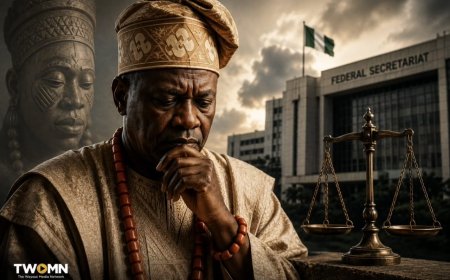
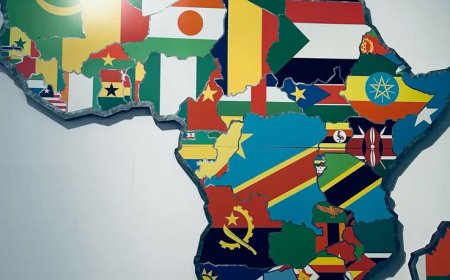
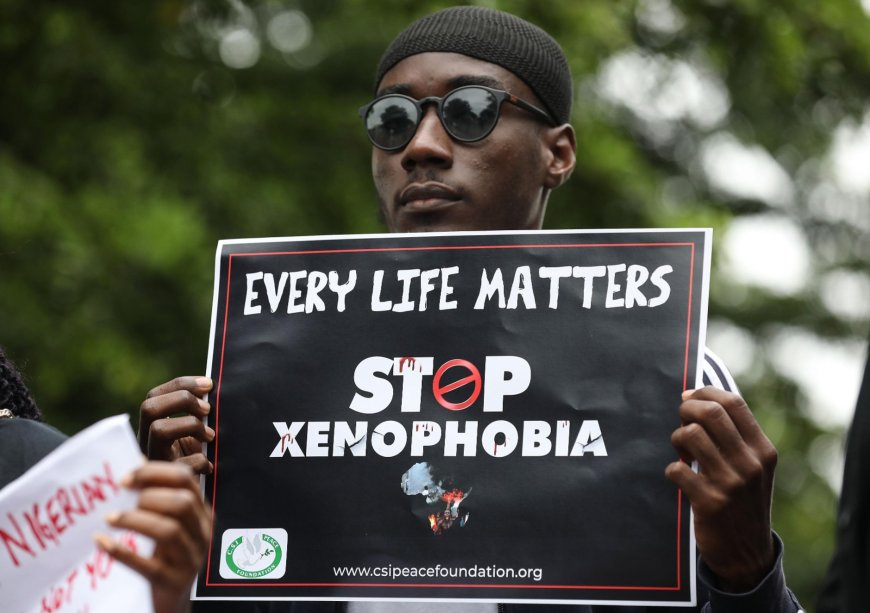
On paper, Africa has always articulated the language of unity. Nigeria played a significant role in the fight against apartheid. The vision of shared progress inspired African regional bodies like ECOWAS (Economic Community of West African States) and the AU (African Union). Nevertheless, Nigerian migrants in various regions, from parts of South Africa to areas in West Africa and beyond, still encounter tension and resentment from other Africans.
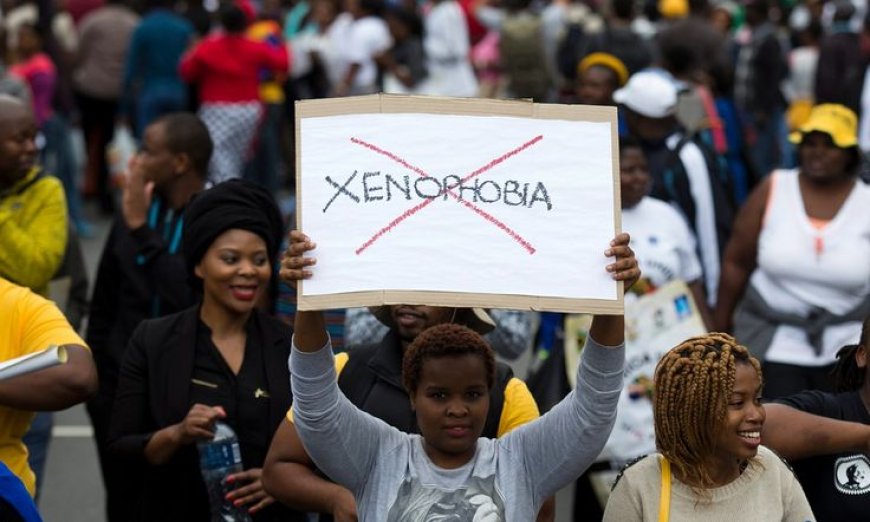
In the African context, it is far more complex, influenced by economic pressures, cultural frictions, historical grievances, political scapegoating, and the psychology of visible success amid widespread hardship. While real frustrations exist on all sides, violence solves nothing and only deteriorates the unity Africa claims to pursue.
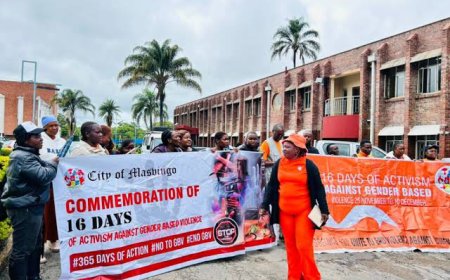
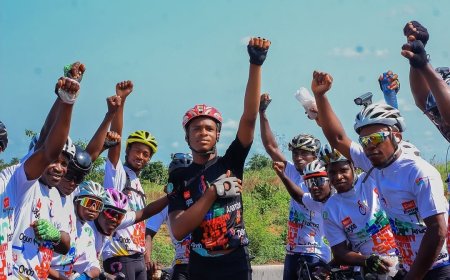
Source: The Guardian
A History That Still Speaks
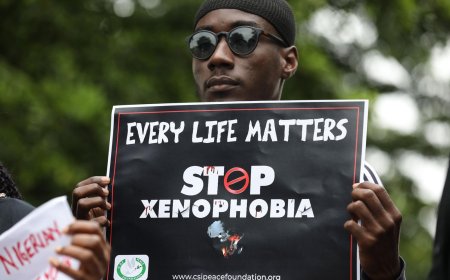
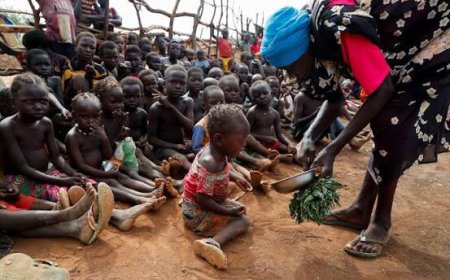
Source: Biafran Update
Tensions between African “brothers” did not begin yesterday. In 1969, Ghana’s Aliens Compliance Order led to the mass expulsion of hundreds of thousands of West Africans, with Nigerians (many traders and workers) among the hardest hit. During the economic downturn, job scarcity, and indigenization policies, migrants were framed as burdens.
Nigeria later responded in kind. In 1983 (with a follow-up in 1985), amid crashing oil prices and rising unemployment, the government ordered the expulsion of undocumented migrants. Over a million West Africans—mostly Ghanaians—were affected. The episode became known as “Ghana Must Go,” symbolized by the cheap bags many carried home. What started as economic survival tactics left deep scars of humiliation and resentment on both sides.
Nigeria’s historical solidarity with liberation struggles is often invoked; however, in moments of stress, present-day competition and old memories overshadow that shared past. The idea of African brotherhood tends to weaken under pressure.
South Africa: Pressure, Perception, and Politics
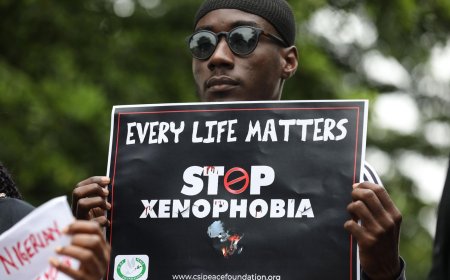
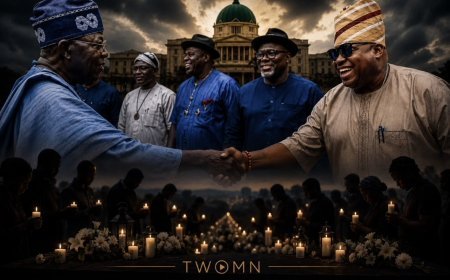
Source: fity.club - Xenophobic Meaning Of
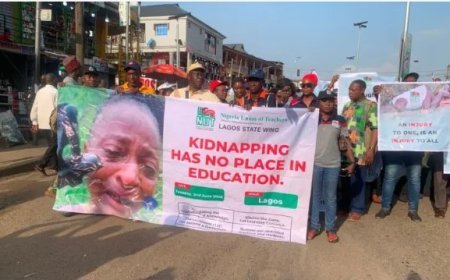
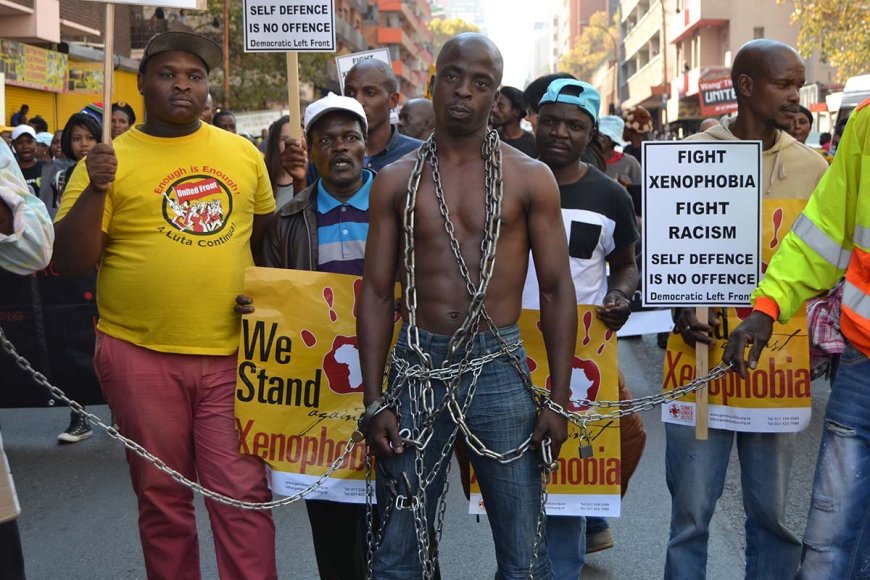
South Africa remains one of the clearest flashpoints. High unemployment especially among youth combined with inequality and slow service delivery creates fertile ground for frustration. In townships and urban areas, small businesses run by foreigners, including many Nigerians, are sometimes viewed not as contributors but as direct competition for scarce resources.
Visibility plays a role. Political actors have at times amplified anti-foreigner rhetoric, especially around elections or during periods of social unrest, offering quick scapegoats rather than addressing deeper governance failures.
Yet what the Nigerians experience is multifaceted. There are many reasons that make them move abroad, such as seeking opportunities blocked by challenges at home, and those obstacles may be insecurity, corruption, and unemployment. They also speak of building legitimate businesses, paying taxes, confronting harassment, bureaucratic hurdles, and sporadic violence. Nigerians often note the painful irony: the substantial support once generously given by Nigeria against apartheid, including the famous "Mandela Tax," is sometimes forgotten amid current frictions.
West Africa: Familiar Tensions, Different Setting
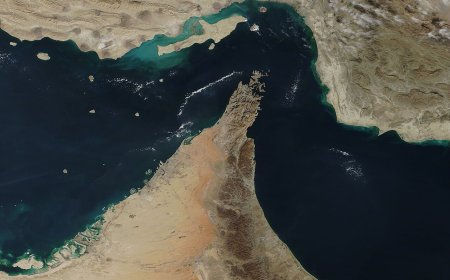
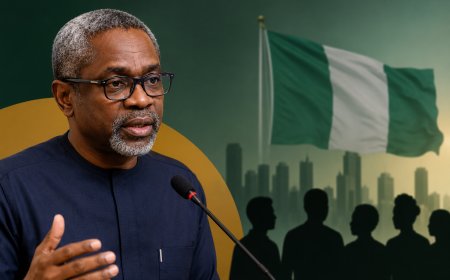
Source: Getty Images
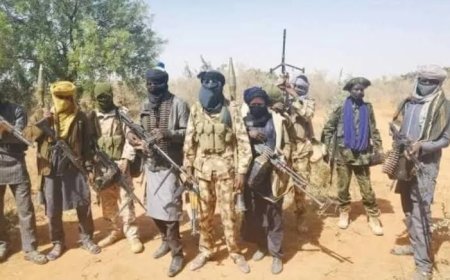
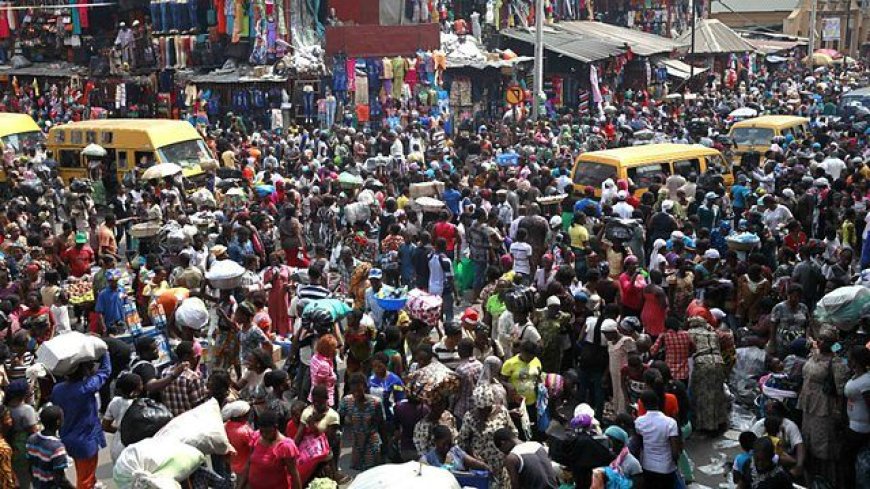
In Ghana and some other West African countries, the dynamics vary but follow a similar pattern. Cultural stereotypes and perceptions of Nigerians as loud, assertive, or “pushy” surface during tough times. North African routes (such as through Libya) add another grim layer, where Nigerian migrants have faced trafficking, exploitation, and violence—driven by desperation from home conditions and local power vacuums rather than classic xenophobia alone.
Voices from Both Sides
A Nigerian trader in Johannesburg shares:
“We came for business because opportunities at home are blocked by unemployment and insecurity. When we succeed through hard work, people say we are taking over. But many of us are just trying to survive and feed our families.”
A young South African man in a township reflects:
“When you cannot find work and you see foreigners doing well, it hurts. Some commit crimes, and that becomes the story for all. It feels like our own country is slipping away after so many years of struggle.”
A Ghanaian shop owner offers:
“We are brothers culturally, and we enjoy Nigerian creativity. But in business it becomes competitive. The history of past expulsions makes people cautious. When the economy is tight, we naturally want to protect our own first.”
A Nigerian who endured the Libyan migration route adds:
“The journey was hell—exploitation and abuse by those who saw us as desperate. Back home, bad governance pushes many out; abroad, it makes us easy targets. We need to fix our systems.”
An academic perspective ties it together:
“The core issue is not only foreigners. It is inequality, weak institutions, unmet expectations after independence or apartheid, and the human tendency to blame the visible ‘other’ instead of addressing governance failures everywhere.”
The Human Cost
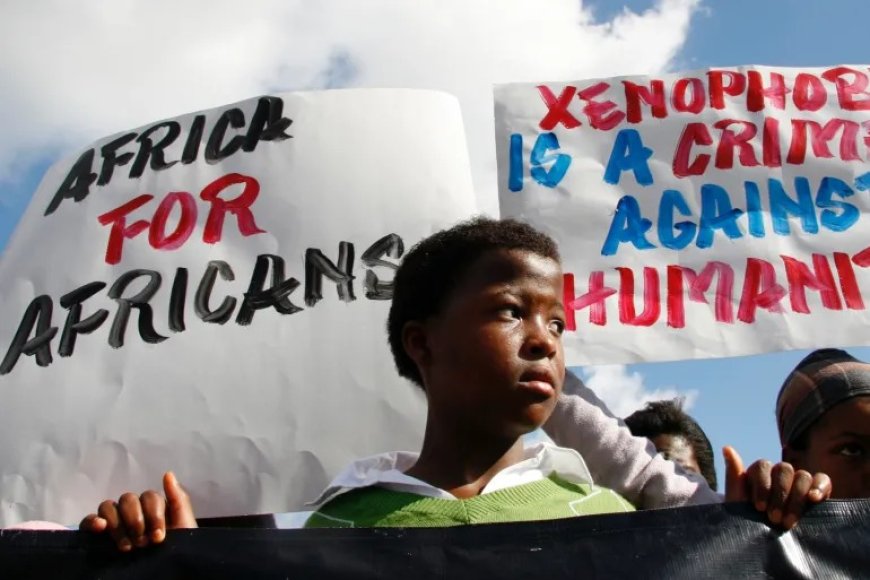
Source: AI Jazeerah English
The consequences are painful and far-reaching. Businesses are destroyed, investments lost, and families separated or displaced. Returnees often come home empty-handed after years of effort.
In the shadowed scenario of African Brotherhood, unity hangs around a noble script too often deserted when hunger gnaws and pride wounds. Downward the banners of shared destiny; old scars reopen and brothers turn strangers, scapegoating the visible hand that builds amid ruin. True solidarity mandates more than memory of past sacrifices; it requires confronting deterioration within that are corruption, frailty, and envy lest the dream of one Africa dissolves into the familiar ashes of division.
What's Your Reaction?
 Like
0
Like
0
 Dislike
0
Dislike
0
 Love
0
Love
0
 Funny
0
Funny
0
 Angry
0
Angry
0
 Sad
0
Sad
0
 Wow
0
Wow
0