

















































What It Takes to Make History: Virgil Abloh’s Fashion Legacy
Explore how Virgil Abloh reshaped luxury fashion through Off-White, the 3% rule, and Louis Vuitton. A story of creativity, disruption, and making history beyond traditional paths.
Prefer listening? Tap play and the article will be read aloud.
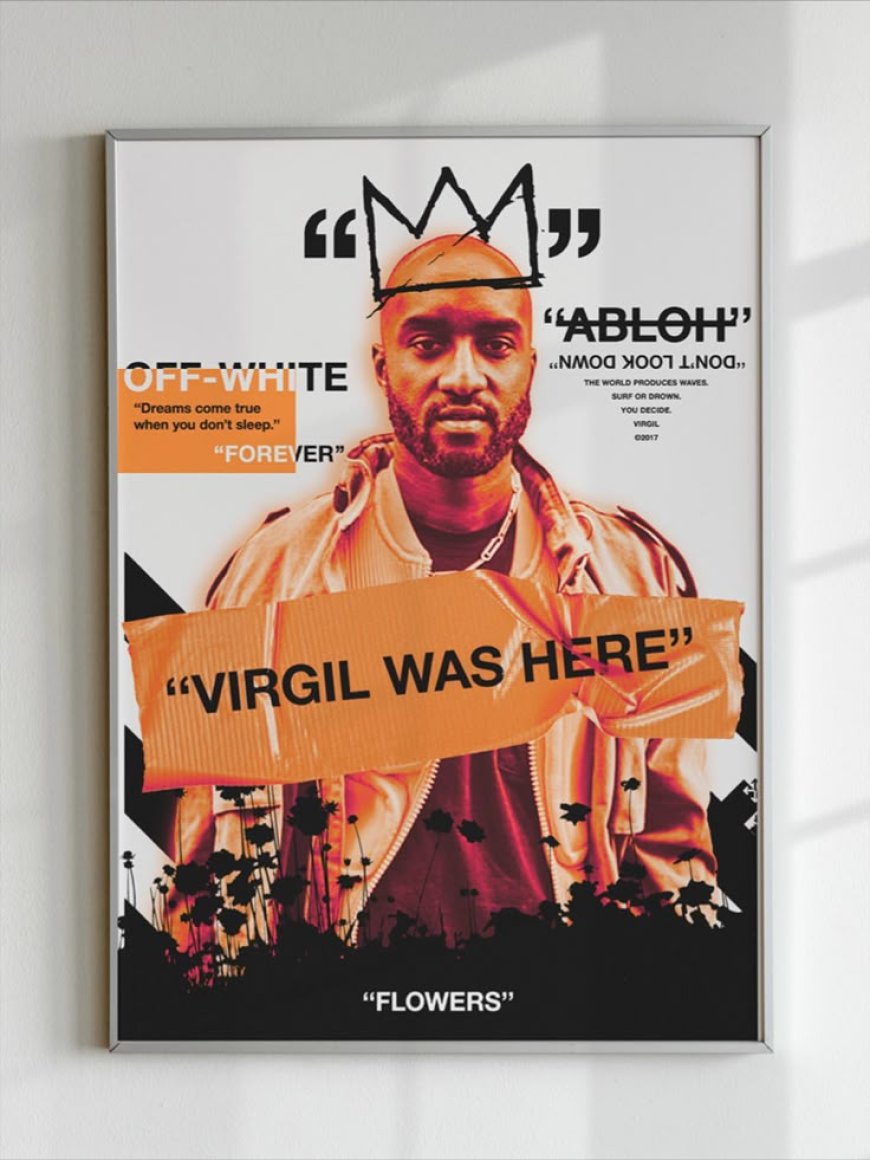
What Do You Do to Make History?
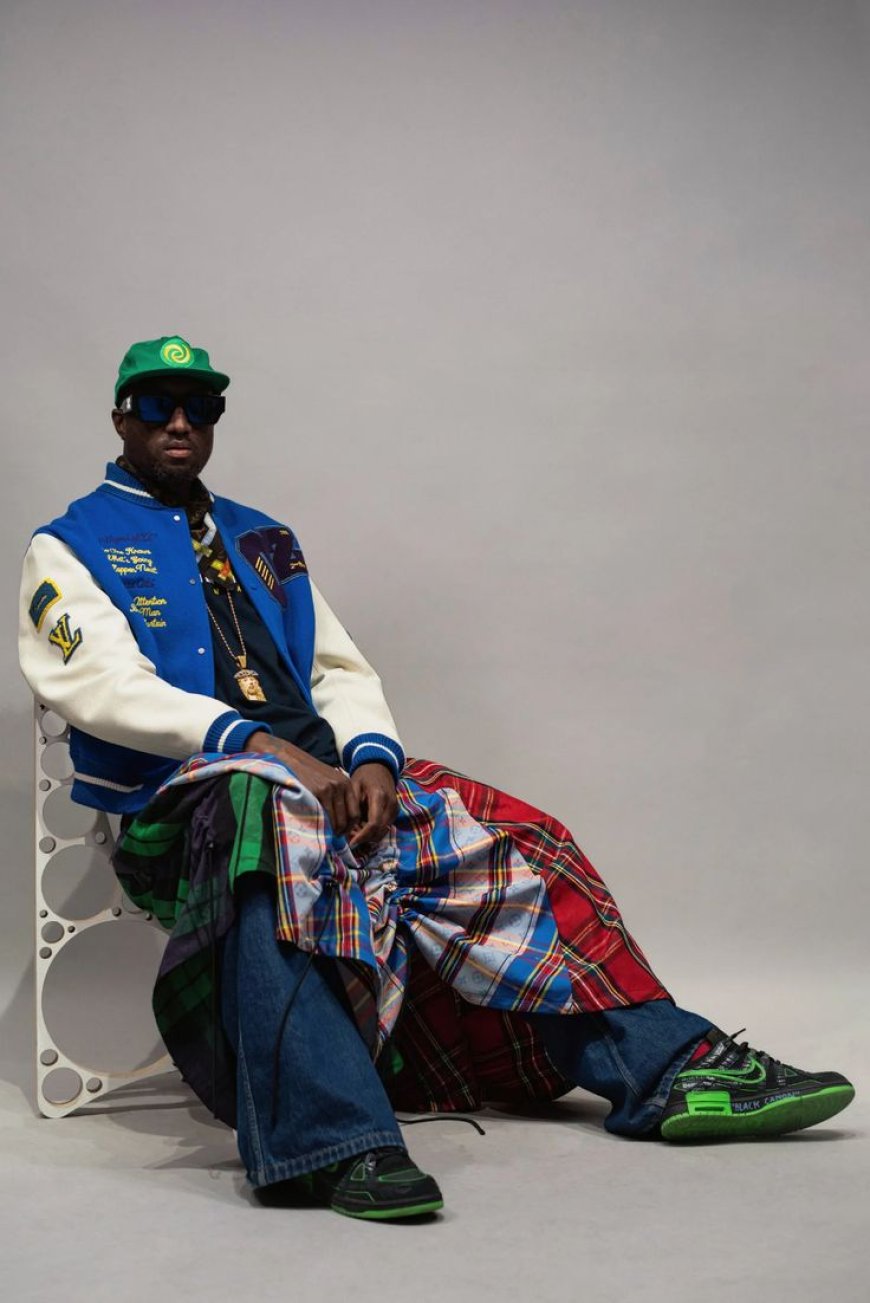
Source: Pinterest
Let’s take a look at Virgil Abloh and how he broke into luxury fashion and carved a name for himself in the global fashion industry.
Today, Virgil Abloh is widely recognized as a defining figure in both streetwear and luxury fashion. But his journey didn’t follow the traditional path.
He didn’t rise through the ranks of fashion houses, nor did he formally study fashion. Instead, he studied civil engineering and later architecture—disciplines that seem far removed from the world he would eventually dominate.
Yet even then, there were signs.
Source: Pinterest
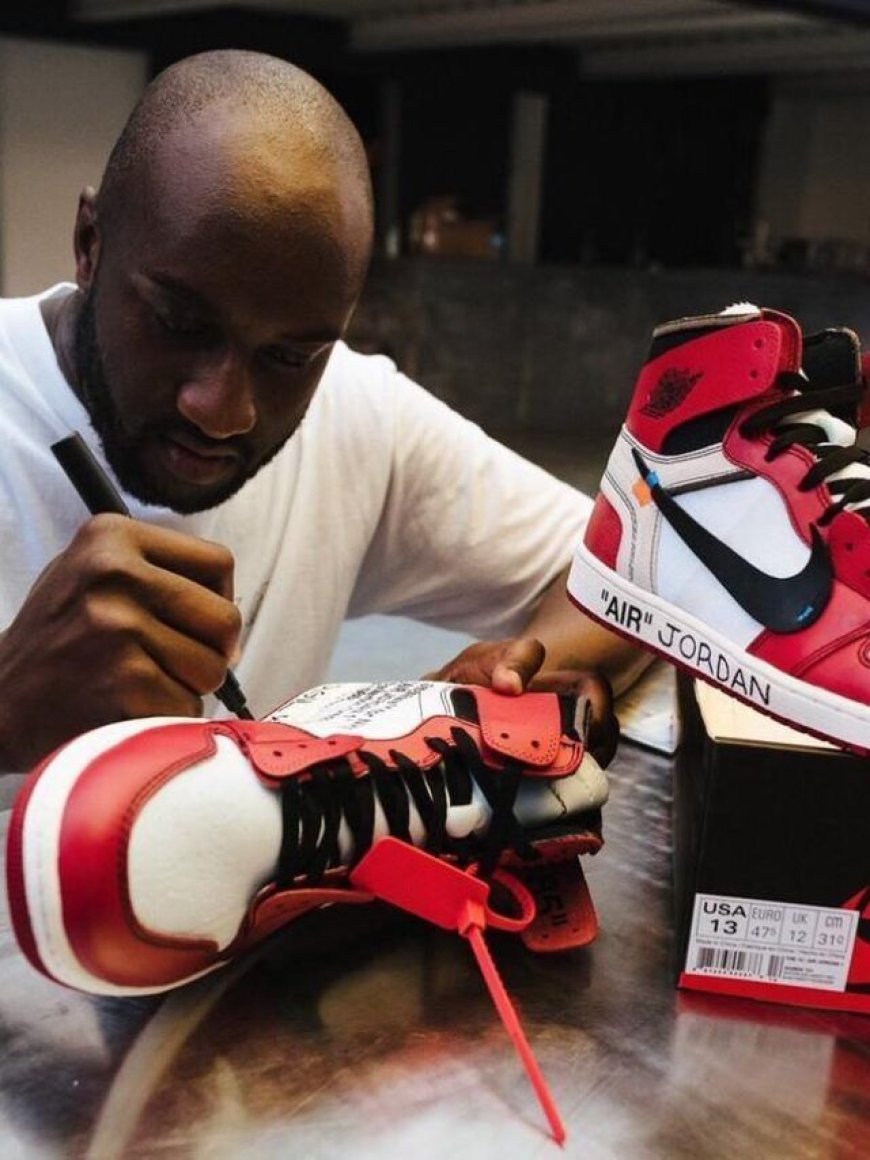
In interviews, Virgil once shared that he preferred studying in the art library rather than the engineering library. The latter felt cold and rigid, while the art library felt alive. That small decision reveals something deeper: even before fashion, he was instinctively drawn to creativity.
Born to Ghanaian immigrant parents, Virgil was raised with expectations aligned with stability and structure—the kind that leads to corporate success. For a time, he embraced that path. But alongside his academic life, something else was quietly unfolding.
He DJed after classes. He explored design. He worked with a T-shirt brand. These weren’t yet grand moves, but they were formative. They marked the beginning of a creative journey that hadn’t fully revealed itself.
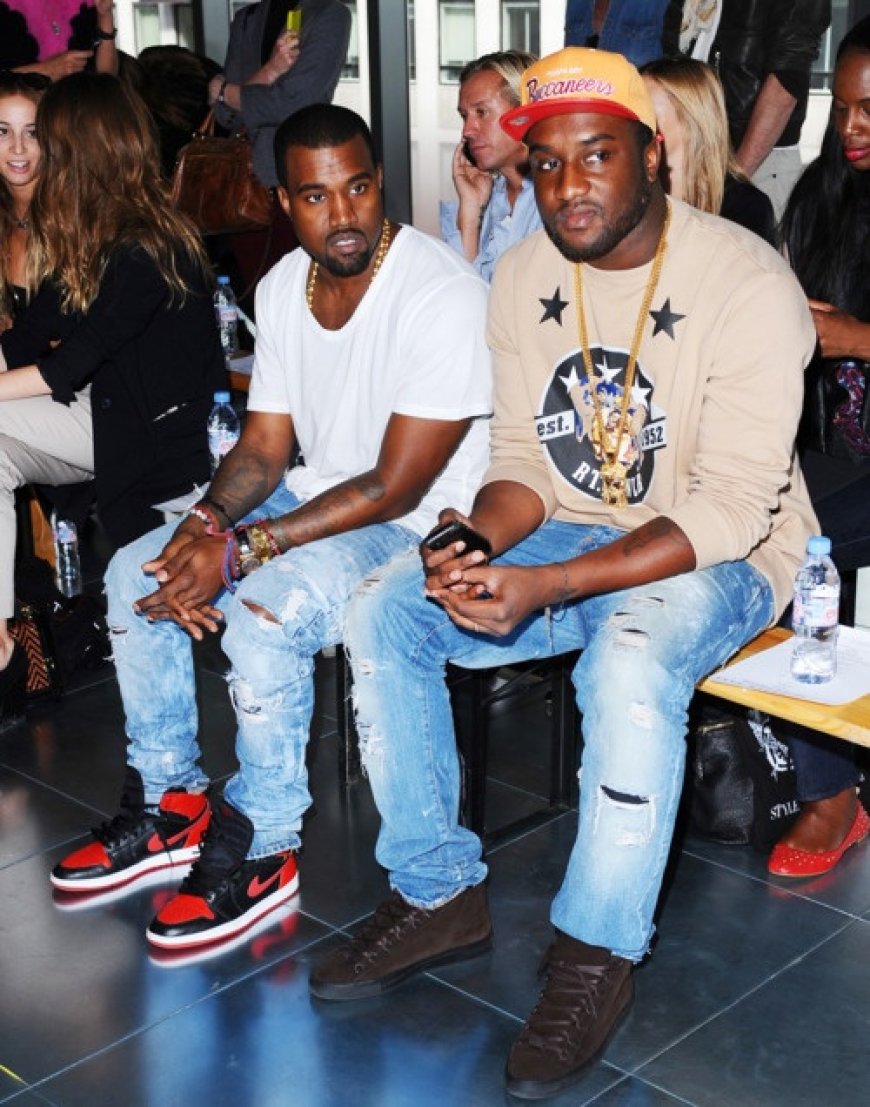
His first real step into fashion came in 2004, when he collaborated with Kanye West.
Source: Pinterest
Their collab was on early design projects like Mascotte and later Pastelle. Neither project reached production, but they served a greater purpose—they ignited a vision. Soon after, both Virgil and Kanye interned at Fendi. Their roles were limited, but the exposure mattered. It placed Virgil inside the ecosystem he would later disrupt.
At the same time, he continued expanding his creative range. He designed album covers, developed visual concepts, and steadily built a multidisciplinary identity. By 2010, he became the creative director of Donda, Kanye West’s creative agency. A year later, he handled the art direction for Watch the Throne, earning a Grammy nomination for Best Recording Package.
This phase of his career wasn’t just about expression, it was about positioning. He was building credibility across industries, quietly assembling the foundation for something bigger.
Then came the moment that truly challenged the fashion world- Virgil launched Pyrex Vision.

Source: Pinterest
The brand existed for only about a year, but its impact was immediate and polarizing. Instead of creating garments from scratch, Virgil sourced $35 blank shirts, added graphics, and sold them for over $500.
To many, this was absurd. To him, it was intentional.
He introduced what he called the “3% rule” the idea that you only need to change 3% of something to create something new. Pyrex Vision wasn’t just a clothing line; it was a conceptual statement.
It forced people to reconsider a fundamental question: what actually defines luxury? Is it craftsmanship alone, or is it narrative, context, and perception?
That question would become the backbone of everything he built next;
Off-White: Where Everything Changed
Source: Pinterest
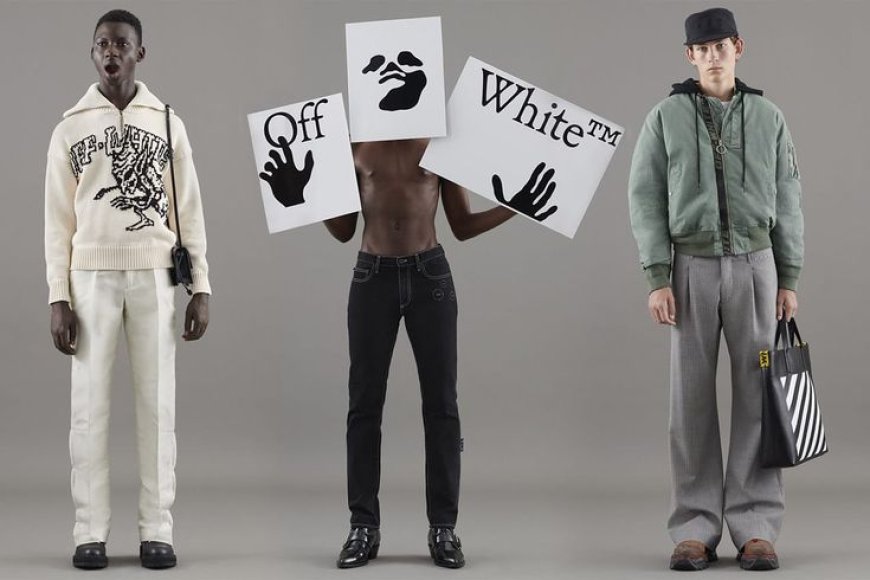
In 2013, Virgil launched Off-White in Milan, marking a turning point in his career.
Off-White was not just another streetwear label, it was a fully realized philosophy. It brought together everything he had been experimenting with: design, language, architecture, and cultural commentary.
Virgil once described the brand as 'luxury in quotes,' a phrase that perfectly captured its intention. Rather than conforming to traditional definitions of luxury, Off-White questioned them.
This approach became visible in the details. Quotation marks were integrated directly into the designs: 'SHOELACES,' 'SCULPTURE,' 'FOR WALKING' forcing consumers to pause and reconsider everyday objects.
The visual identity was equally distinct. Diagonal stripes, the arrow logo, and the industrial yellow belt became instantly recognizable symbols. Beneath the surface, his architectural background was evident in the structure, placement, and intentionality of each piece.
At first, some critics dismissed Off-White as simply streetwear. But over time, its influence became undeniable.
It evolved into more than a brand; it became a cultural movement.
As Virgil himself once said, “You don’t have to wear Off-White to be part of the culture.” That statement reflected a larger vision. He wasn’t just selling clothing; he was shaping a mindset and expanding who gets to participate in luxury.
The 3% Rule in Action
Source: Pinterest
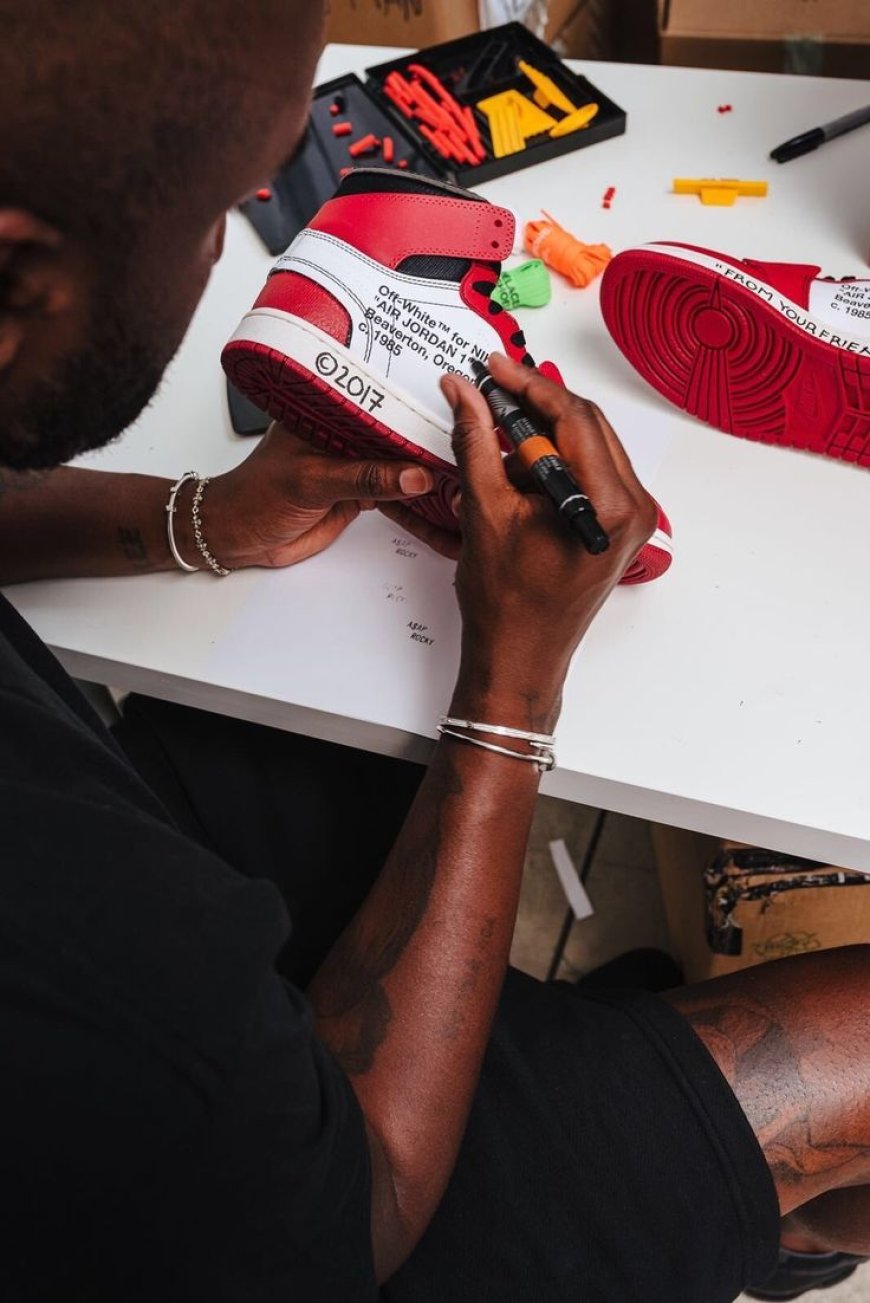
Virgil’s 3% rule reappeared in one of his most influential collaborations; with Nike on 'The Ten.' Rather than completely redesigning classic sneakers, he made deliberate, minimal adjustments. He exposed foam, added industrial text, and deconstructed familiar silhouettes.The changes were subtle, but the impact was massive.
The collaboration reshaped sneaker culture and demonstrated a powerful idea: innovation doesn’t always require starting from scratch. Sometimes, it comes from reinterpreting what already exists, with clarity and intent.
Blurring the Lines
Source: Pinterest
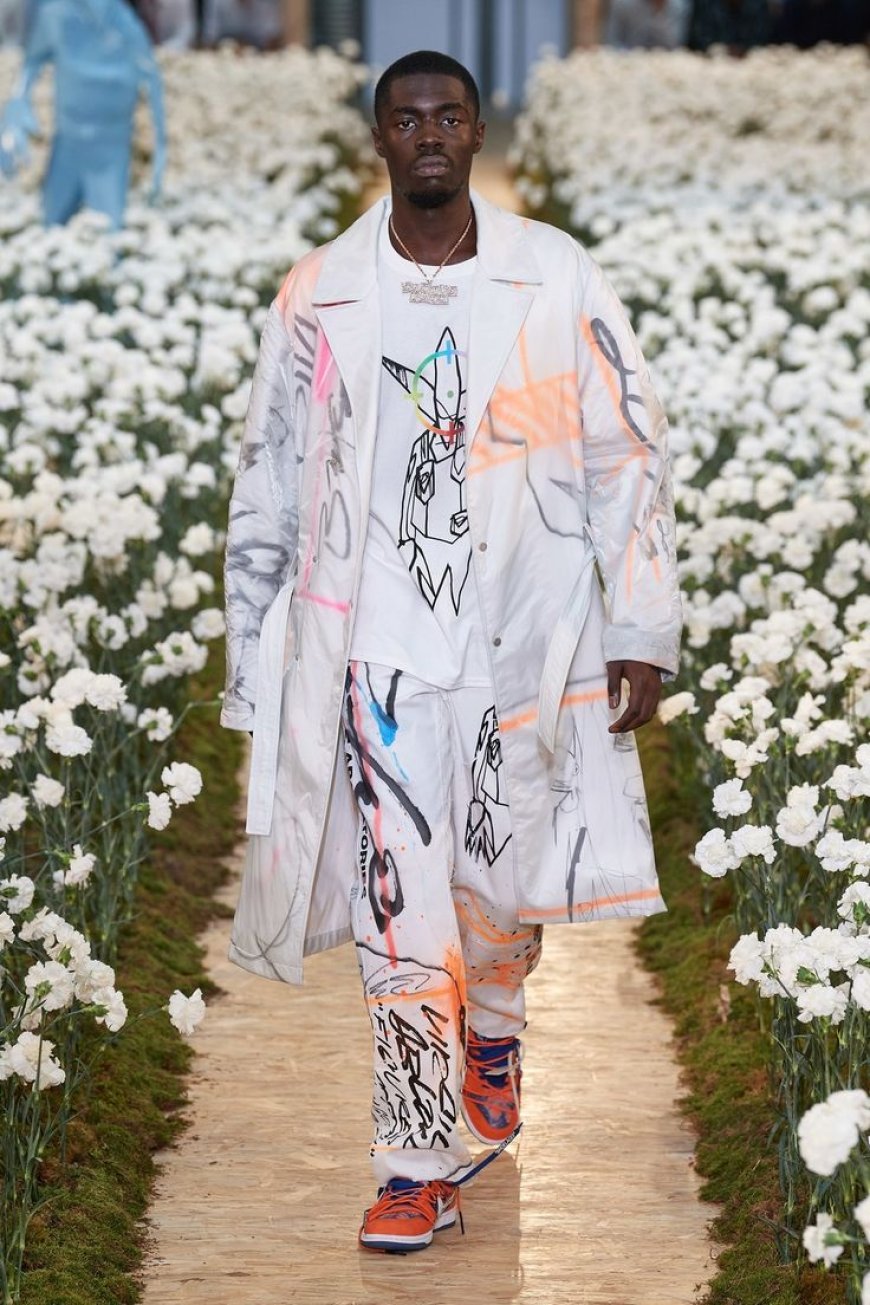
Through Off-White, Virgil fully expressed a philosophy that Pyrex Vision had only introduced.
He challenged the idea that luxury is defined solely by tradition or exclusivity. Instead, he positioned it as something fluid; something shaped by culture and perception.
By elevating everyday items into luxury contexts, he disrupted long-standing hierarchies. Pieces once considered too casual for high fashion, like hoodies and sneakers began appearing on luxury runways.
Over time, the distinction between streetwear and luxury became increasingly blurred.Virgil didn’t just participate in fashion, he redefined its boundaries.
The Historic Appointment
Source: Pinterest
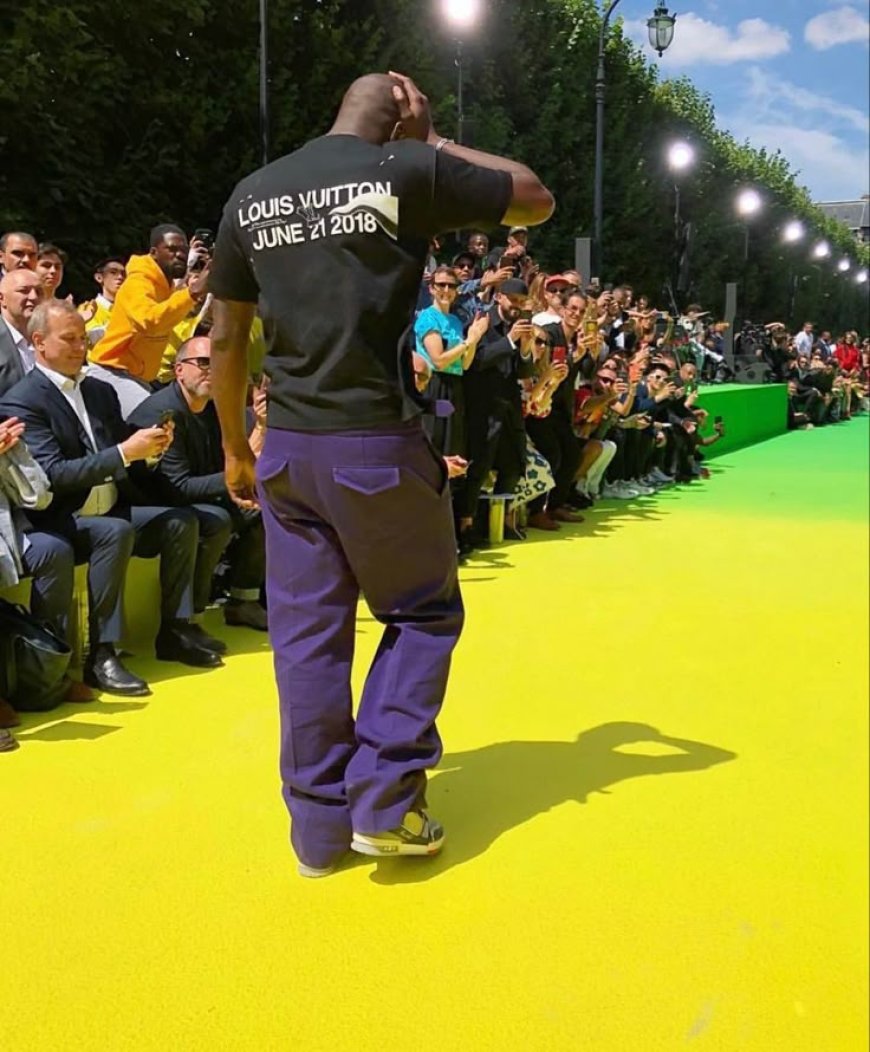
In 2018, Virgil Abloh reached a milestone that extended far beyond fashion.
He was appointed Artistic Director of Menswear at Louis Vuitton, becoming the first Black person to hold that position in the brand’s history.
This moment carried deep cultural significance. It represented progress, visibility, and the possibility of change within an industry that had long been exclusive.
At Louis Vuitton, Virgil brought his perspective fully into the spotlight. He introduced elements of streetwear to one of the most established luxury houses in the world—and it worked.What was once seen as unconventional became influential.
So What Do You Do to Make History?
Source: Pinterest
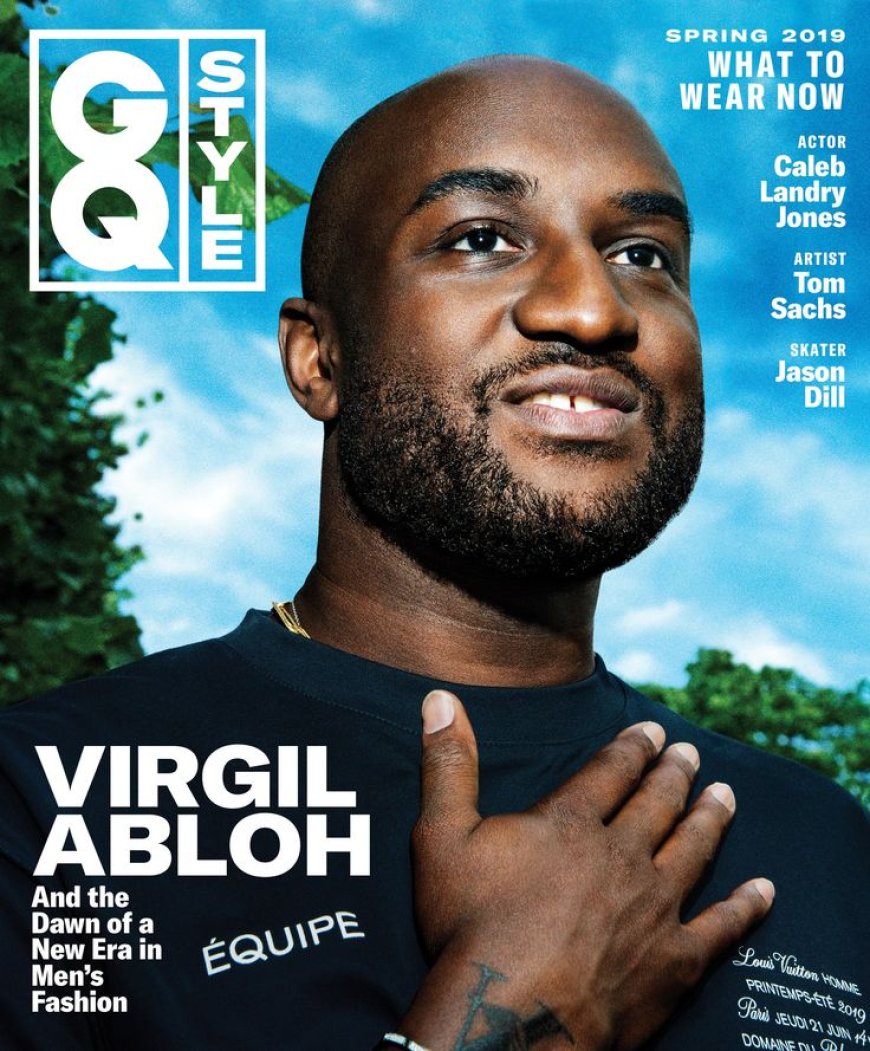
Making history isn’t just about being creative. It’s about understanding the system, questioning it, and reshaping it.
Virgil Abloh recognized that luxury was not defined only by materials or legacy, but by culture, perception, and timing. Instead of waiting for acceptance, he built his own framework—one that eventually became impossible to ignore.
He didn’t ask for permission, he built proof. And when that proof became undeniable, the industry had no choice but to respond. That is how history is made.
Not by following established paths, but by creating new ones—strong enough that even the old systems are forced to walk through them.
What's Your Reaction?
 Like
0
Like
0
 Dislike
0
Dislike
0
 Love
0
Love
0
 Funny
0
Funny
0
 Angry
0
Angry
0
 Sad
0
Sad
0
 Wow
0
Wow
0