

















































WHY FOOD PRICES ARE RISING IN NIGERIA IN 2026
This article explores the different factors that largely contribute to the constant hike in food prices in Nigeria.

Prefer listening? Tap play and the article will be read aloud.
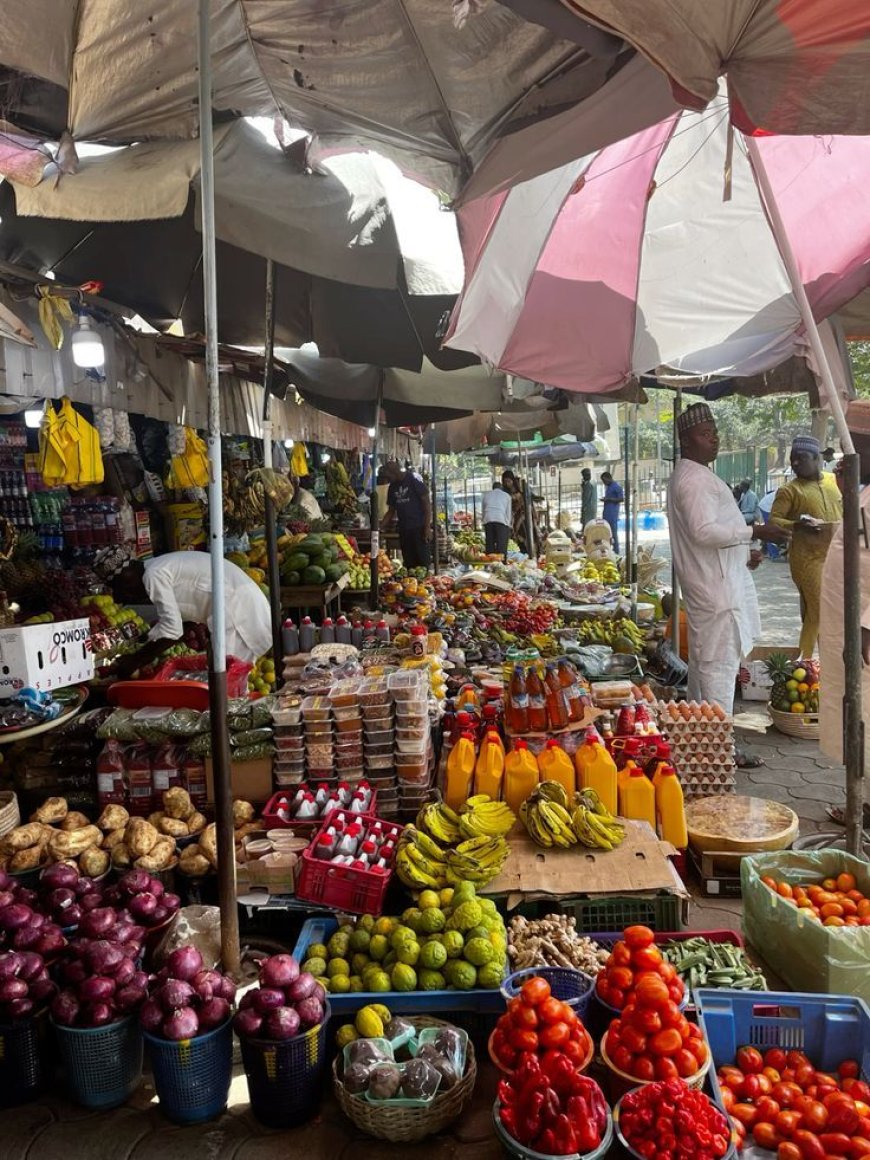
Imagine being able to get a Congo (1kg) of beans at ₦500 or Garri at ₦200 in 2026, that would be higly impossible right?
Unfortunately, that was the reality few years ago. Today, the price of beans in the market has increased to #2,100, while garri now sells for #700.
The hike in market prices of foodstuffs is no longer shocking to Nigerians, it has become a norm. Reactions don't go beyond sighing at the prices, questioning the government and paying anyways. This is because complaints are useless, and no one listens nor acts anymore.
Whist we continue to experience the sporadic increase in prices of food items, we cannot overlook the real drivers of this national economic strain.
Here are Seven key reasons why we think food prices keep rising in Nigeria in 2026
1. Inflation
Source: Pinterest
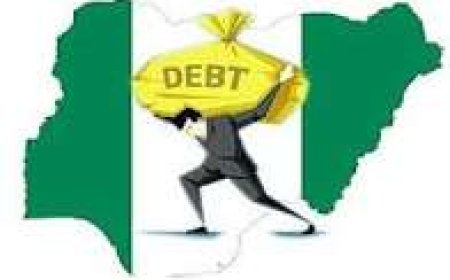
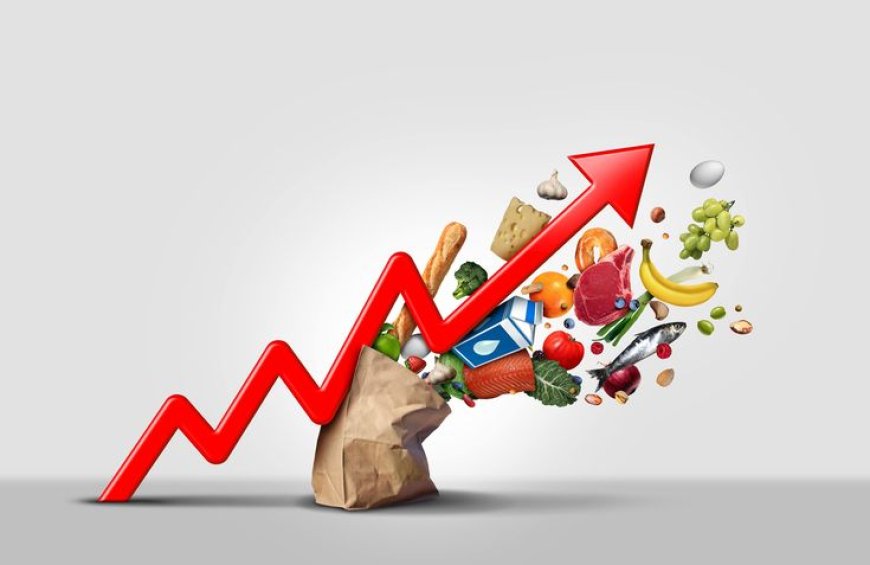
Inflation is a key cause of hike in the prices of food items in Nigeria. It refers to the general increase in the prices of goods and services. This implies that- as inflation continues to rise, transportation becomes costly, farming materials cost more, traders spend more and these combine to directly affect the prices of food items. During these times, purchasing power reduces and money buys less over the time.
2. High cost of fuel and transportation
Source: Pinterest
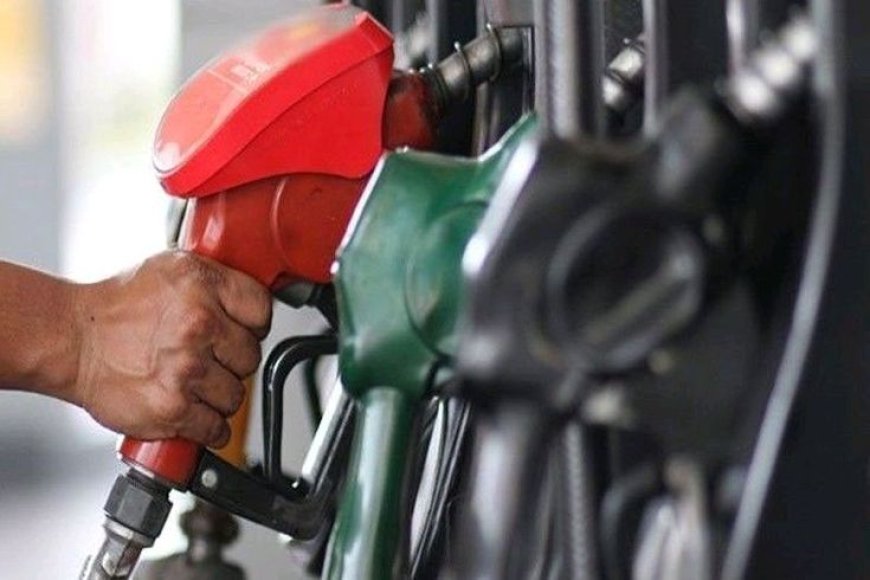
Food items have to be moved from the farms by cars and trucks before they get sold in the market. Our poor road network is a major challenge, they cause great damages to cars and subsequently incur huge repair costs. How can we overlook the wild increase in petroleum prices? When petroleum climbed to a #960 price ladder in January 2025, we disagreed with the government and complained loudly. Fast forward to May 2026 and the price has almost doubled. Every added naira automatically affects the price of food.
3. Insecurity
Source: Pinterest
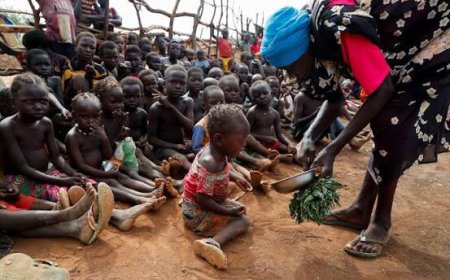
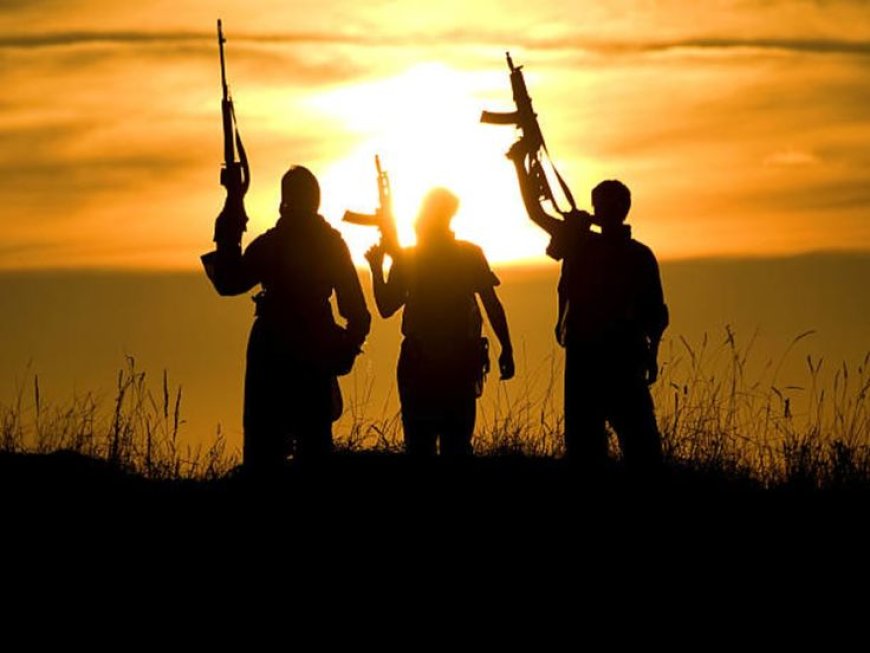
Across Nigeria today, over 18 states are battling insecurity. The lives of many traders and farmers are at risk constantly. Farmlands are high targets of herdsmens and bandits, many lose their lives, many sustain inguries and many are left with no choice but to flee their farms and homes. To add to this, Traders are afraid to travel to other states due to the high rate of kidnapping - no one wants to risk a trip to purchase #500,000 worth of goods only to be charged with #10million ransom payment. In all of these, the country suffer the consequences with high decrease in agricultural activities and subsequently food scarcity.
4. Extreme Weather Conditions
Source: Pinterest
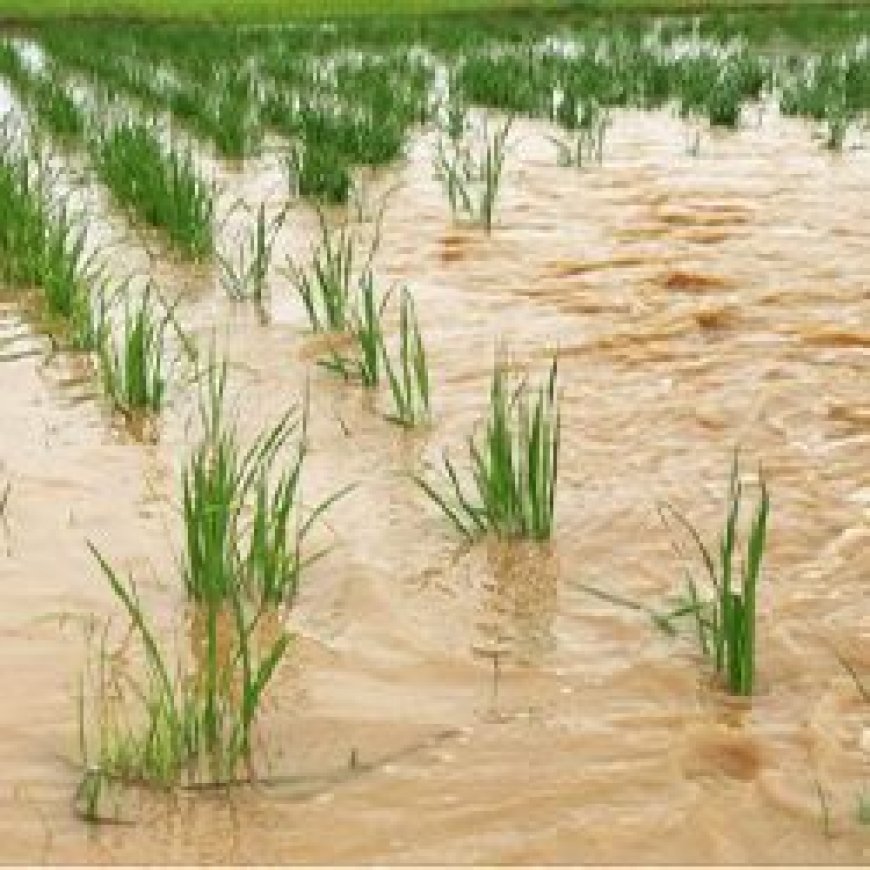
In recent times, Nigeria amongst many countries is experiencing extreme weather conditions like flood, drought, irregular rainfall and excessive heat waves. As much as rain is good for the soil, if it's becomes excessive it destroys. Flood does not only wipe out crops, it damages roads, farmlands and storage facilities. Flood prone states like Kogi, Bayelsa, Anambra suffer great agricultural loss during the raining seasons. Other times, when it's not raining the soil is extremely dry. When this happens, the productivity of the soil is affected. Harvest produce decrease and food prices rises.
5. Hoarding and market exploitation
Source: Pinterest
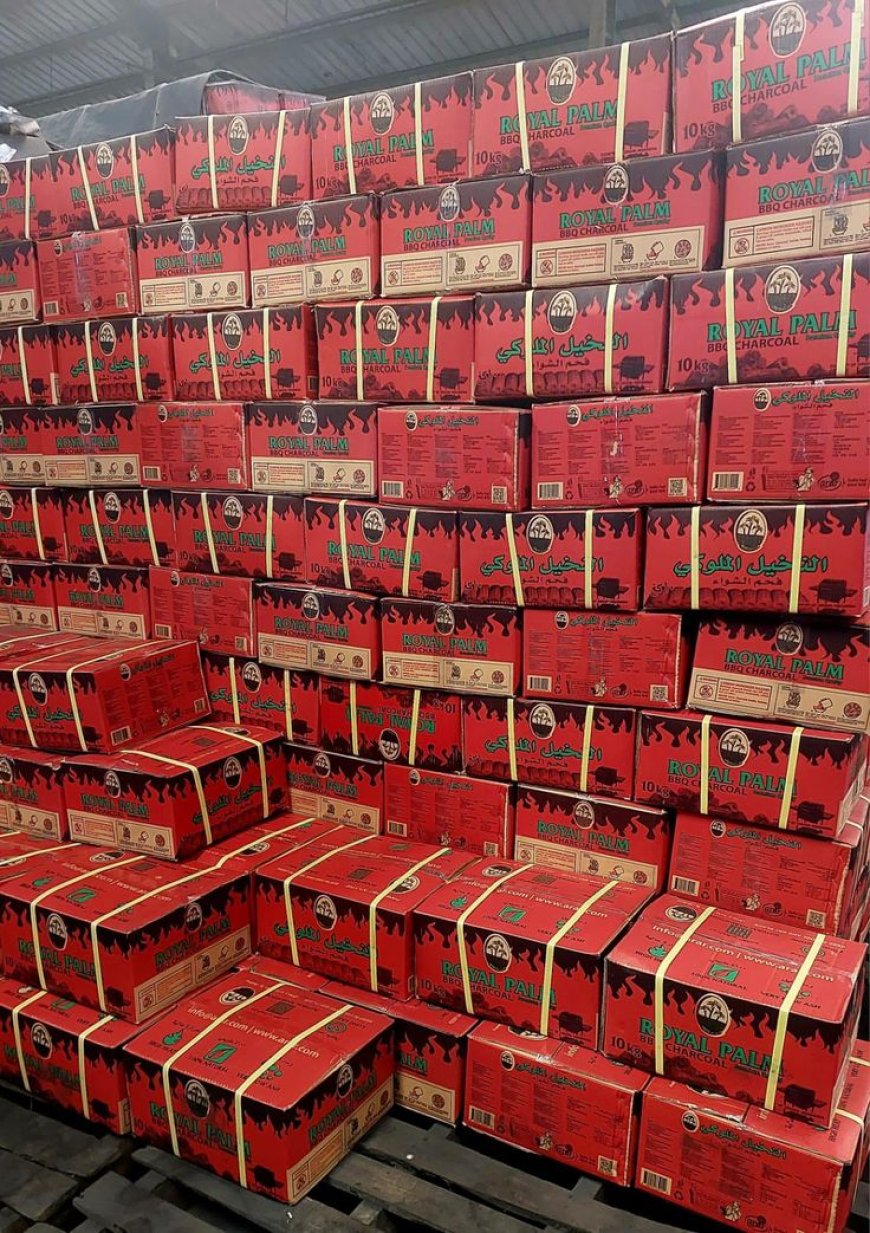
A common act among some traders is the intentional hoarding of food. Here is how it works: they buy food items in large quantities and store for a long time in hope that inflation hits market prices. When it does, they bring out the stored food iteams already bought at an old price and sell to people at thr current price. Some other times, they buy off products so that they become scarce, scarcity for them is an opportunity to sell at any price of their choice which by then would be as high as can be imagined.
6. Government policies
Source: Pinterest
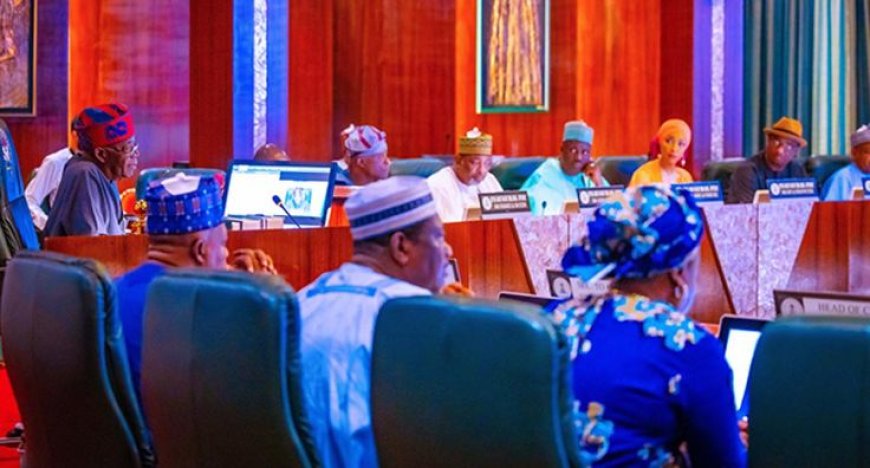
The Nigerian government just like other democratic countries come up with different policies in every political tenure. Examples of these policies are removal of fuel subsidy, taxation, import restrictions, foreign exchange policies. When there's multiple taxation at state and local level on food trucks, and without visible improvement on basic amenities, market traders and farmers are forced to hike food prices.
7. Global Economic Tussles
Source: Pinterest
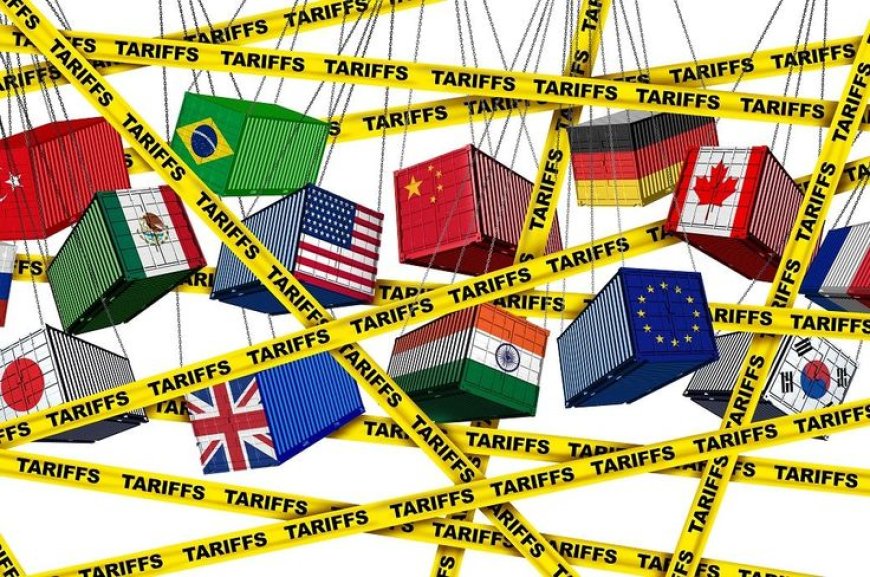
During the US-China trade wars, Nigeria amongst other countries also bore some brunts in the tussle, likewise in a recent fued between America and Iran. This mostly play out through increase in the prices of imported goods which eventually affects local markets.
Conclusion
The gross hike in price of food items in the Nigerian market is caused by a lot of factors. These factors prove that while the Nigerian government might be crippling and dragging the whole nation down while at it, we can agree that we as a nation are also actively involved in the undoing of the country. And tackling the poor state of the economy would take the intentional effort of every person in the country.
What's Your Reaction?
 Like
3
Like
3
 Dislike
0
Dislike
0
 Love
0
Love
0
 Funny
0
Funny
0
 Angry
0
Angry
0
 Sad
0
Sad
0
 Wow
0
Wow
0