The Role of Language in Expression and Public Opinion
A clear and insightful article exploring how language shapes public thinking, influences emotions, drives communication in society, and affects sectors like politics, media, religion, and education. It highlights the power of words to unite or divide and emphasizes responsible language use for a better society.
 Popoola Mary
Language and society are intertwined. Without language, the society can not exist and vice versa. Language is very important as It serves as a medium of connections among people in the society. Without it, people can not relate in the society.
The medical practitioners for example make use of language to communicate with their patient. Those in financial sectors also need language to communicate with their clients and colleagues. Literally all sectors make use of language.Language and culture are like bone and flesh. Both work together, one is not without the other.
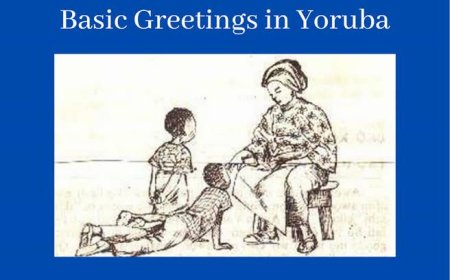
Language is also a means of identification. This is because not all people speak the same language. For example, one can differentiate between the people living in the western part of the country from those in the northern part of the country, through their distinct languages.

Image source: NobleQuotes.com
In the discuss of public opinion, language plays a big role in how it is shaped- through the choice of words, tone, and how it is framed. People react not only to the contents of messages, but how it is said. For example if I greet someone and the person does not acknowledge the greeting, it could be understood as having unresolved conflicts which I am not aware of. Generally, a good use of language and a successful interaction with another responsive person, suggests good spirit and cordiality.
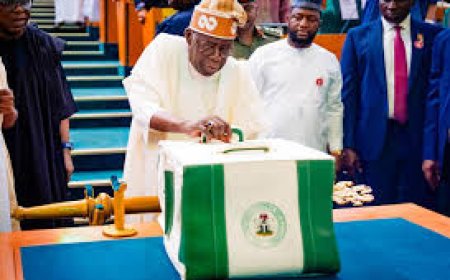
When it comes to the political sector there are some words that are soothing in the heart of people. Words like provision of infrastructural facilities. These words are like hope for a better quality of life for people who are at the lowest ladder of status in the society. One could say that the words work some 'magic' in the minds of some people.
Through the use of language, people get to organize their thoughts, share information, and express collective anger against injustice. With the use of social media we see how language travels and influence netizens instantly. The media make use of language in communicating with the society through dissemination of information and also advertising, using language to influence buying decisions. Words are carefully selected to appeal to emotions:
Buy one, get one free!”
Limited offer!”
Because you’re worth it.”
These expressions create urgency, desire, or a sense of value. This is how language guides consumers’ choices, even when they do not need the product.

Image source: Pinterest
Religion also depends on language. Sermons, prayers, and songs convey spiritual messages. But fearful or threatening language can create panic. This shows that words in spiritual settings carry emotional and psychological power.
While language can unite, it can also divide. Words used to describe groups of women, tribes, or people with disabilities can create stereotypes and discrimination. For example, calling women 'the weaker sex' or using derogatory names for tribes negatively shapes how the society views them. Respectful language promotes unity, while harmful language leads to prejudice.
Education relies heavily on language. Teachers use words to explain concepts, motivate students, and correct errors. In universities, the type of language used depends on the field
Science uses precise language.
Literature uses creative and emotional language.
Social sciences uses financial language.
A student who masters language can influence others through writing, debates, and presentations. This is why language competence is key to academic success.
In all, language affects emotions. Encouraging words like 'I believe in you' can motivate, while harsh words can destroy confidence. This is why we are advised to speak life and use words that build people up in families, friendships, and workplaces.
Since language is powerful, it must be used responsibly. Journalists must avoid biased expressions, politicians should speak truthfully, social media users must avoid spreading harmful information, and individuals should use words that promote peace and respect.
Language is more than a means of talking; it is a force that shapes thinking, behavior, and society. It influences how people feel, what they believe, and where they stand on issues.