Nigeria and Turkey’s new deal: Showpiece or real economic lift for our economy?
Nigeria and Turkey signed new bilateral deals during Tinubu’s visit. Is this diplomacy real economic progress or political showmanship? Here’s what Nigerians should watch.
 Destiny Aniyom
Think about this, when your president boards a plane and flies thousands of kilometres away to Turkey, one question should sit at the front of your mind. What does this trip change for you?
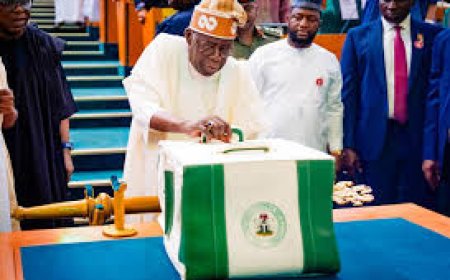
President Bola Tinubu’s State visit to Turkey triggered mixed reactions from Nigerians. Some people saw it as a strategy, while others saw symbolism. Then the video of his fall during the arrival ceremony surfaced, and the debate shifted fast. For critics, the fall became a shortcut to dismiss the visit as an empty showmanship. For supporters, it became noise distracting them from serious work.
Now while we analyse this, let's ponder on this hard question. Was Tinubu in Turkey to perform leadership, or to negotiate economic relief for our country?
To answer that, you need to look beyond the handshake photos and into the agreements signed, the numbers discussed, and the interests at play.
Why Turkey matters to Nigeria right now
Nigeria is searching for partners who bring more than aid and guess what, Turkey fits that need.
Turkey sits between Europe, Asia, and the Middle East. It exports manufactured goods, defence equipment, construction services, and technology. Nigeria needs all four. Nigeria also exports energy, raw materials, and agricultural products, which Turkey buys.
Before this visit, trade between both countries already stood around $2 billion annually. Turkey’s leadership now says it wants to push that figure to $5 billion. That target was publicly stated during this visit.
This context matters and strikes a chord. Think about it, no country sets trade targets during ceremonial visits. Targets signal intent.
What both presidents agreed on paper

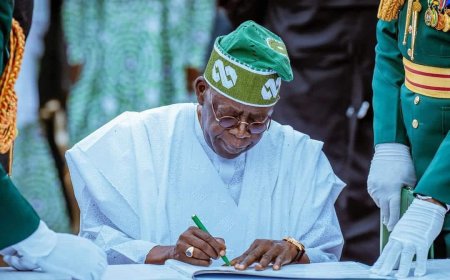
During the visit, Nigeria and Turkey signed nine bilateral agreements. These were not vague statements of friendship. They covered defined sectors with economic consequences.
The agreements focused on:
- Trade and economic cooperation through a Joint Economy and Trade Committee
- Defence and security collaboration
- Media and communication partnerships
- Higher education cooperation
- Diaspora engagement frameworks
- Halal quality infrastructure standards
- Diplomatic training exchanges
- Social services and women’s affairs cooperation
The Joint Economy and Trade Committee matters most. Having committees that control timelines, targets, and follow-up. Without it, agreements just sit there and gather dust.
What this could mean for your daily reality
Trips mean nothing unless they land at home in practical ways. If Turkey increases investment in Nigeria, the impact shows up in three places first.
- Jobs: Turkish companies already operate in Nigerian construction, energy, and manufacturing. Expansion means hiring local labour.
- Prices: Increased trade and local production reduce import pressure and supply shortages.
- Security: Defence cooperation supports stability, which affects food prices, transport costs, and business survival.
Turkey’s firms have built airports, power plants, and rail systems across Africa. Nigeria wants more of that activity, but with stronger local participation. This visit signals an attempt to move Nigeria from buyer to partner.
Why Nigerians remain skeptical
You have heard promises before right. Trade deals announced abroad often disappear once leaders return home. Nigerians remember agreements with China, France, and others where outcomes felt distant from everyday life.
Moreover, looking back at the fall. The short clip of President Tinubu stumbling during the arrival ceremony spread faster than the signed documents. For many Nigerians, the image fed a deep frustration about leadership energy, transparency, and accountability.
What makes this visit different
Three details separate this trip from routine diplomacy. First, the focus on measurable trade growth. The $5 billion target creates a benchmark you can track. Second, Turkey’s interest is transactional, not charitable. Turkish firms want markets and returns, that pressure drives execution. Third, Nigeria’s current economic reforms make foreign partnerships urgent, rather than optional. Fuel subsidy removal and currency reforms increased short-term pain. The government needs foreign capital to soften that impact.
This explains why Tinubu’s foreign engagements feel more frequent. Nigeria is selling stability, scale, and access.
What you should watch out for
These are the signals that show progress:
- Announcements of Turkish factories or infrastructure projects in Nigeria
- Export figures beyond crude oil, especially agro-processing and manufactured goods
- Nigerian firms entering Turkish markets
- Defence equipment deliveries or joint training exercises
- Committee reports with dates, figures, and milestones
If none of these appear within twelve months, skepticism wins. Diplomatic visits always carry performance. Leaders need visibility and citizens want reassurance.
But performance alone does not attract trade delegations, commit defence cooperation, or set export targets. Those milestones require negotiations behind closed doors. Turkey would not stake a $5 billion trade ambition on symbolism alone. However, intent does not equal outcome.
Public pressure shapes follow-through. When citizens demand updates then the government will respond faster. Silence allows agreements to fade quietly.
Let's ask the right questions, share data, track timelines and demand clarity. Your economy improves only when foreign policy connects directly to domestic reality.
In conclusion, here's the question we must keep asking, was President Tinubu in Turkey to work on our economy, or to be seen working? The answer will show up in Nigerian ports, factories, farms, and job listings. If trade rises, jobs grow, and investments land, the trip worked. If not, the visit joins a long list of foreign journeys Nigerians remember only through viral clips. Which outcome do you expect, and why?
Let's read your perspective in the comments.