




















































Home Remedies for Common Ailments
Easy remedies you can try at home for everyday health concerns.
Prefer listening? Tap play and the article will be read aloud.
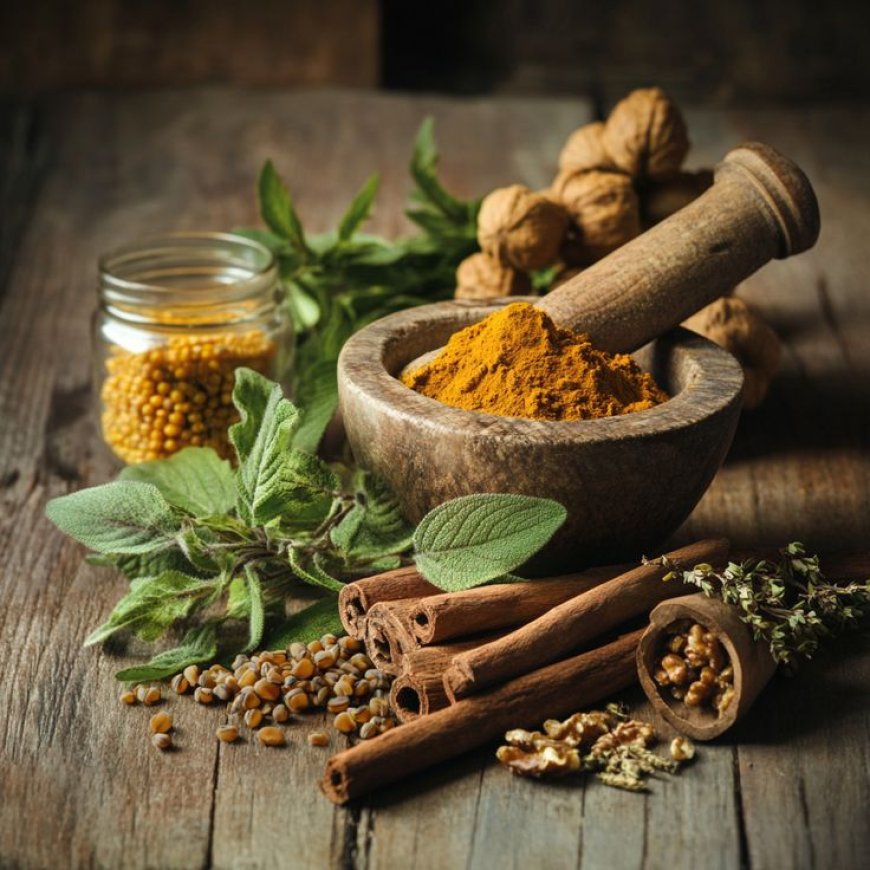
Certain health concerns require immediate medical attention, while many minor ailments can be kept at bay safely at home with a few home remedies to help alleviate the infection and heal the body. The principal thing to learn is which home solutions are useful and when it is required to have medical care.
Below is a list of common, minor illnesses and the appropriate remedies for safely treating them at home.
Common Cold
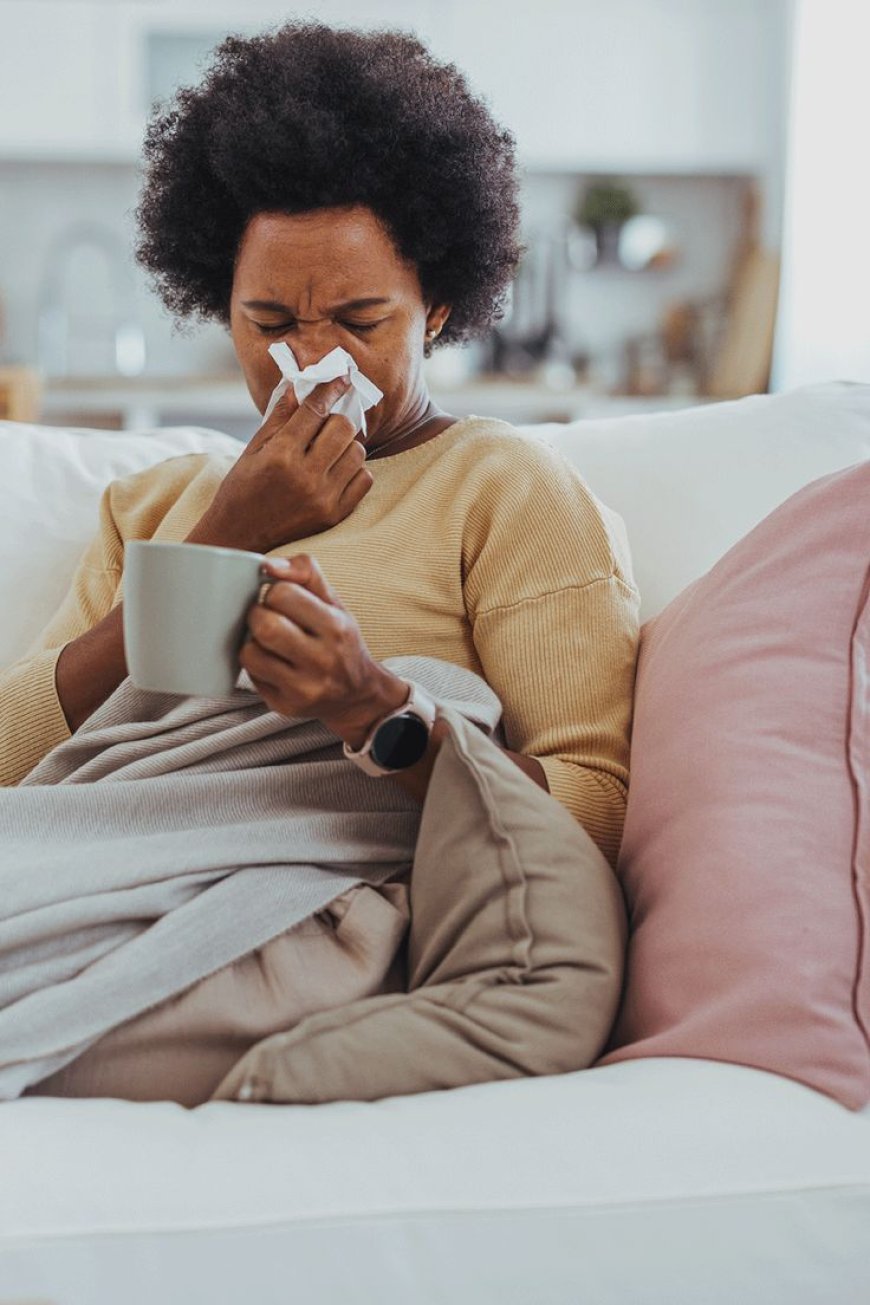
Image source: Pinterest
The common cold is spread by respiratory droplets such as coughs, sneezes, or by direct contact with infected individuals or contaminated surfaces. Since it is caused by viruses, antibiotics are not effective.
For managing a common cold at home:
-
Wash hands frequently: This will reduce the risk of you and others becoming infected by the virus.
-
Clean frequently touched surfaces
-
Avoid close contact with infected individuals:
-
Get enough rest: Your body needs to use its energy to combat the infection.
-
Stay hydrated: Hydration is important to avoid dehydration and can help ease congestion, so drink plenty of water, warm tea, and smooth broth.
-
Try honey in warm tea: Honey can soothe an irritated throat in adults and children over one year old.
-
Try nasal irrigation or steam.
Headache
Image source: Pinterest
Most headaches result from dehydration, stress, fatigue, or muscle tension.
Common remedies can be used to alleviate mild headaches:
-
Drink enough water: If dehydration is a reason for the headache, drink plenty of water.
-
Try to avoid bright lights and loud noises in a restful room: Your body will find it easier to relax with less light and noise.
-
Use a cold or warm compress: Either a cold or warm compress can be used to relieve pain on your head or neck.
-
Light stretching of the neck: Gently stretch your neck for relief of headache from muscle strain or tension.
Indigestion and Heartburn
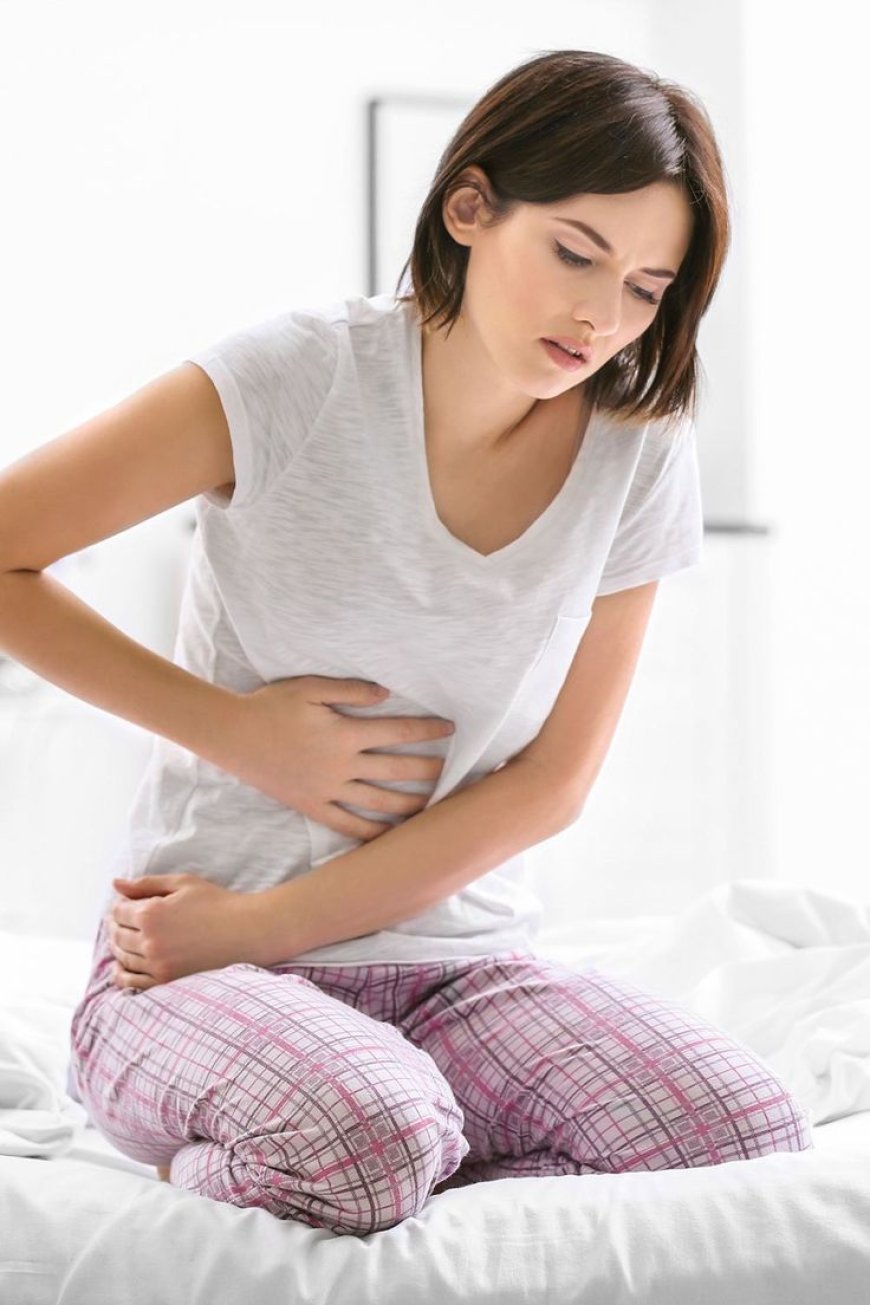
Image source: Pinterest
Indigestion is discomfort inside the upper stomach and is often an outcome of eating over time. Heartburn is when stomach acid rises higher into the stomach, causing a burning sensation. Spicy and greasy food varieties, eating too much at any given moment, coffee, alcohol, smoking, and resting after meals are all common causes.
To reduce discomfort:
-
Take smaller meals: Reducing meal portions can reduce the pressure on your digestive system.
-
Eat more slowly: Taking your time while eating may lessen the burden on your digestive system.
-
Sit up or stand up after eating: Stay sitting up or standing for 1-3 hours after eating could help limit heartburn.
-
Make ginger tea: Ginger can help relieve some digestive discomfort.
Nausea
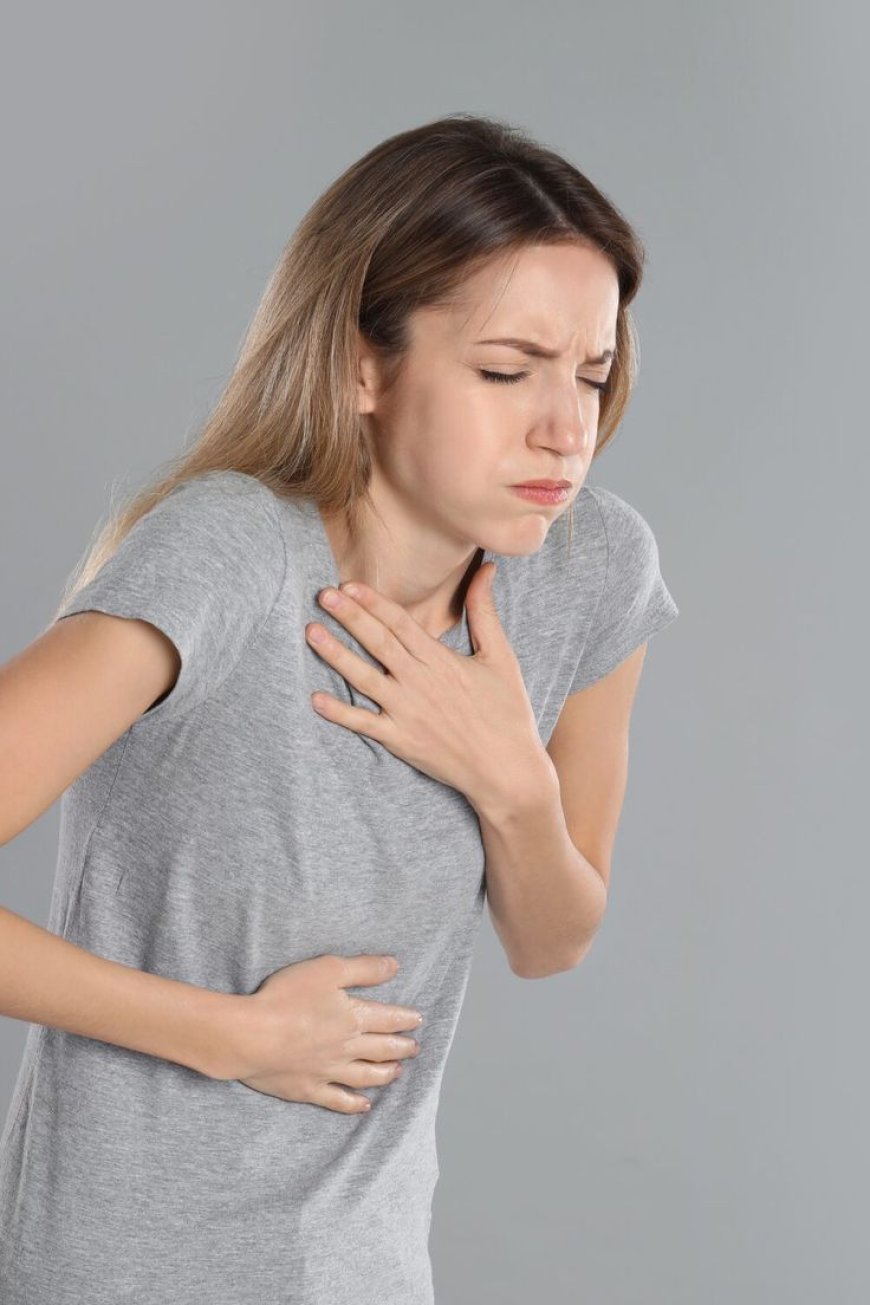
Image source: Pinterest
Nausea is the sensation of wanting to throw up. Viral infections, food sickness, motion sickness, pregnancy, specific medicines, anxiety, overeating, and gastrointestinal disorders all can cause this
If you have a stomach upset:
-
Experiment with ginger: Ginger tea, or ginger as a sweetener, can help ease slight nausea.
-
Eat soft foods: Crackers (or plain rice) may be easier to tolerate than large and heavy meals.
-
Try to eat little and often: Small meals can be easier to cope with if you're feeling sick.
Diarrhea
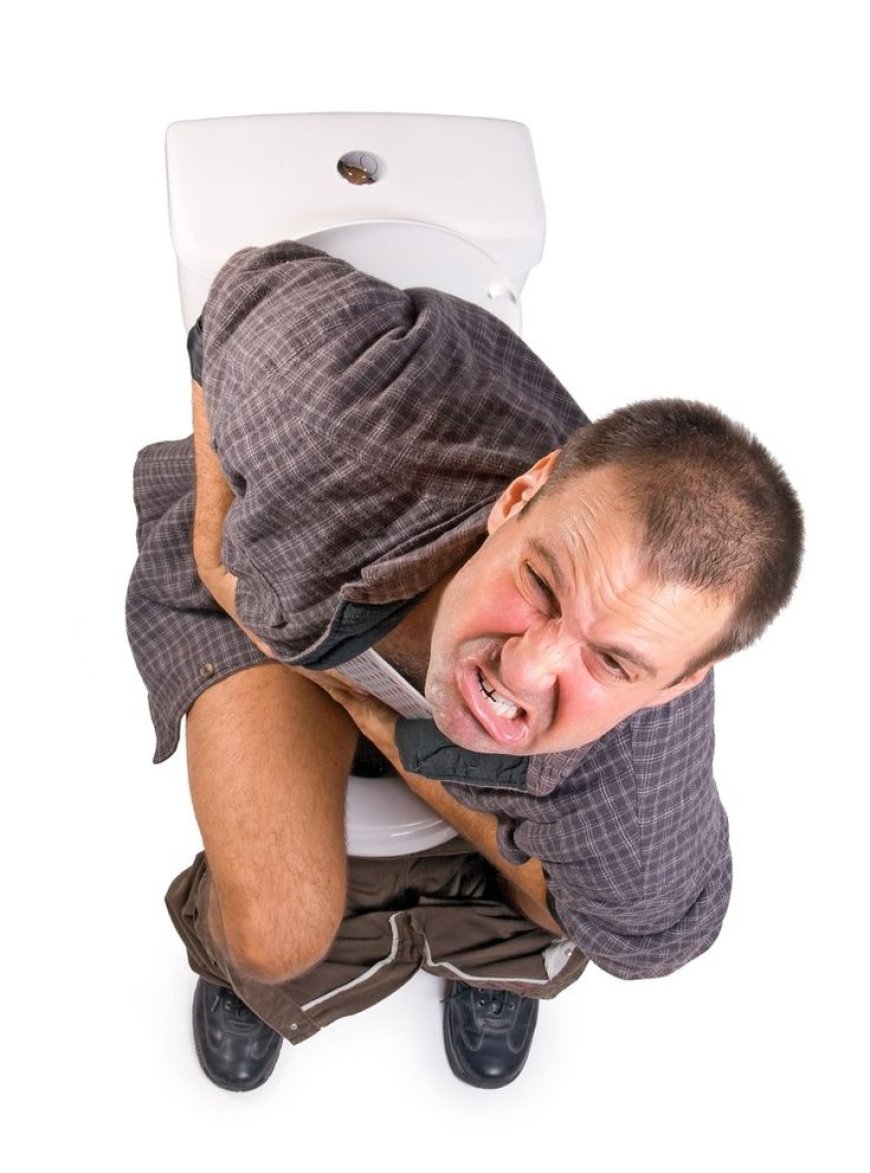
Image source: Pinterest
Diarrhea is the result of watery loose stools. A bug or stomach-related disease, contaminated food or water, foods that your body can’t break down, certain drugs, or stomach-related illness are common causes. Diarrhea can bring about dehydration if fluids are not replaced.
To manage mild diarrhea:
-
Drink lots of water: This will replace the loss of water caused by the frequent loose stools.
-
Employ oral rehydration solutions: These are effective in replacing not only the fluid but also the important minerals lost during diarrhea.
-
Choose soft foods: Some foods like rice and toast might be easier on your stomach.
-
Avoid greasy and spicy foods as they may worsen digestive symptoms.
-
Temporarily avoid dairy products if they worsen symptoms: Some people may have difficulty digesting dairy during or shortly after diarrhea.
Constipation
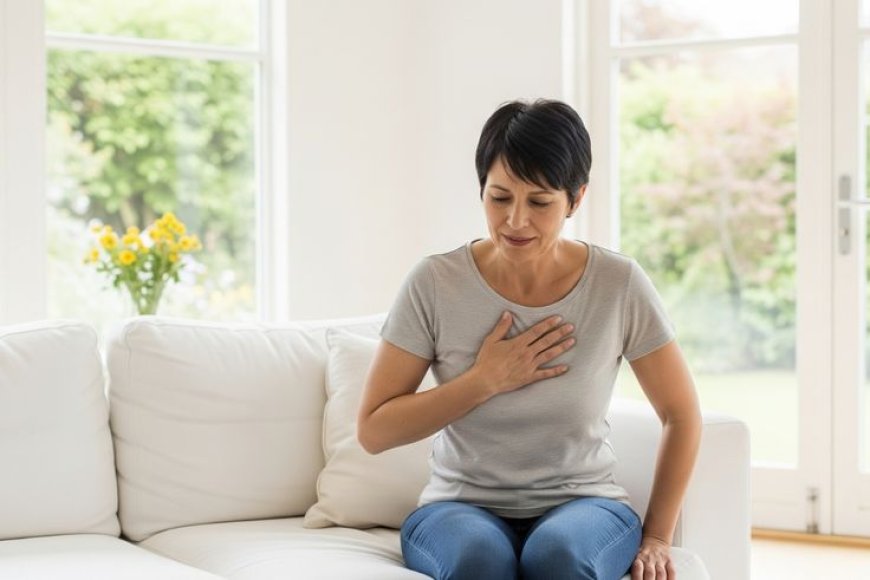
Image source: Pinterest
Constipation is the result of infrequent or difficult bowel movements. A low-fiber diet, inadequate fluid intake, not staying active, certain medications, or sitting for a long time can contribute to it.
To help relieve constipation:
-
Increase fibre foods: Fruits, vegetables and whole grains have fibre which helps to maintain bowel regularity.
-
Drink plenty of water: It will help make stools softer and easier to pass.
-
Exercise regularly: Regular exercise can help stimulate digestion and aid in regular bowel movements.
-
Try to avoid sitting for long periods of time: Regular activity breaks can help maintain good digestion.
Minor Burns
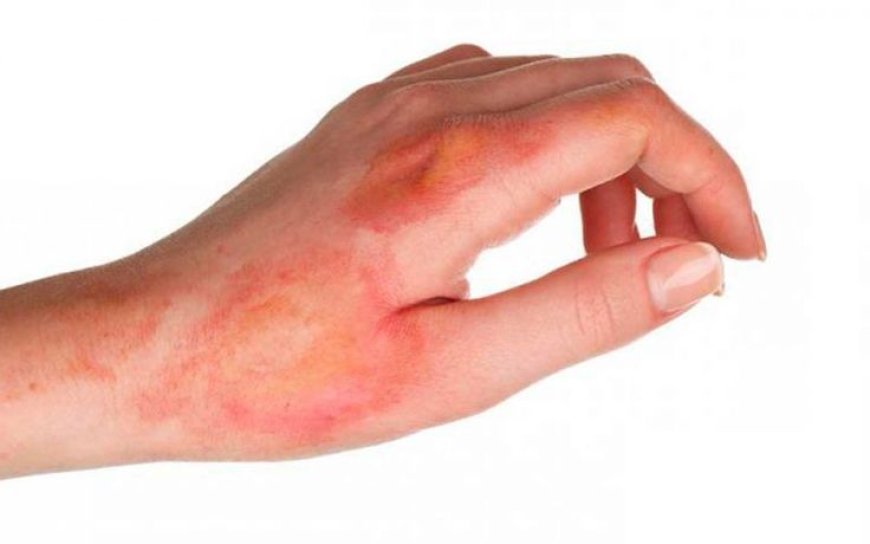
Image source: Pinterest
Minor burns are caused by short-term contact with hot liquid, steam, flames, warm things, or sunlight. These burns affect the top layer of skin, making it red and painful.
To treat a minor burn:
-
Cool the burn for 10-20 minutes under cool running water: This will help cool the burn and can help soothe the pain.
-
Do not apply ice directly: Ice can do further damage on damaged skin.
-
Place a clean, non-stick dressing on the burn: To keep it moist and protected while it is healing.
Muscle Aches

Image source: Pinterest
Muscle aches happen after vigorous workout, heavy exertion, or muscle strain. They additionally can happen as outcomes of infections such as flu, and also dehydration, stress, or poor posture.
To ease mild muscle soreness:
-
Get lots of rest: Strained muscles need rest.
-
Gentle stretches: Light stretching may help to relieve stiff or tight muscles.
-
Use a cold compress right after an injury: Cold can help to minimize swelling and pain.
-
Apply a warm compress afterwards: heat helps to relax tight or tense muscles.
-
Drink plenty of fluids: This helps maintain normal muscle function and recovery.
Insect Bites
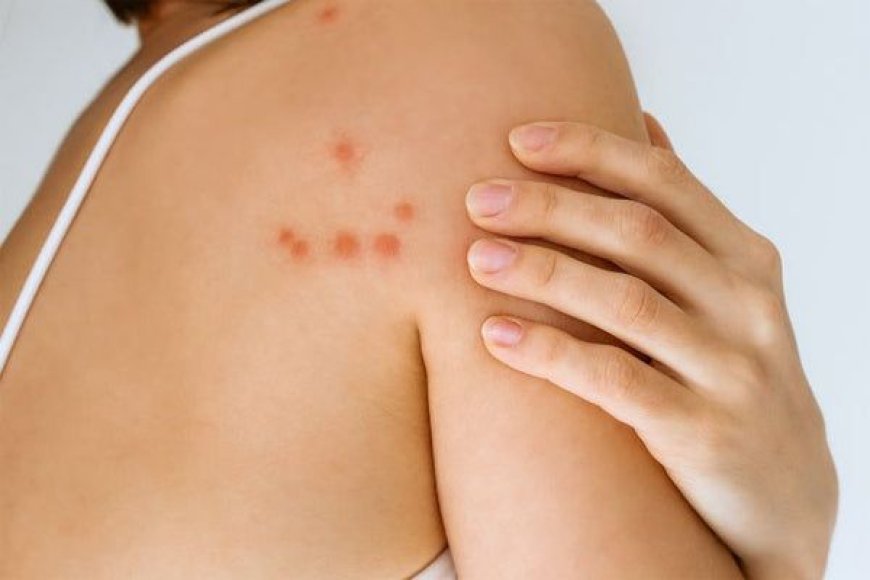
Image source: Pinterest
Bug bites happen when creatures, for example, midges, mosquitoes, a louse fly, or a bedbug bite. Bug bites will make the skin red, scorching, swollen, and a little irritated because of your body’s reaction to the bug bite and venom.
To relieve mild insect-bite symptoms:
-
Use a cool pack: Cooling the area down will help to alleviate itching and swelling.
-
Apply calamine lotion and bakin soda paste. This can help to relieve itchy or irritated skin.
-
Don't scratch the bite: Scratching will open the skin that can cause irritation and elevate risk of infection.
Mild Stress and Anxiety

Image source: Pinterest
Mild stress and anxiety are reactions to difficult circumstances. Worry at an occupation or class, monetary concerns, connections, huge life changes, or the obscure can trigger these conditions. While some stress is ordinary, recognizing it as an early sign can help keep it from affecting your health and well-being.
To manage mild stress and anxiety:
-
Practise deep breathing: Slow, deep breaths can help your body relax and reduce feelings of tension.
-
Practice meditation: Taking a few quiet minutes to tune into the breath or the environment can help relax the mind.
-
Exercise moderately: Walk and other moderate exercise can help to ease stress and boost your mood.
-
Do not overload: Do not overload your mind, take breaks when necessary.
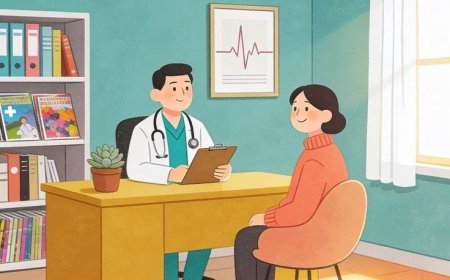
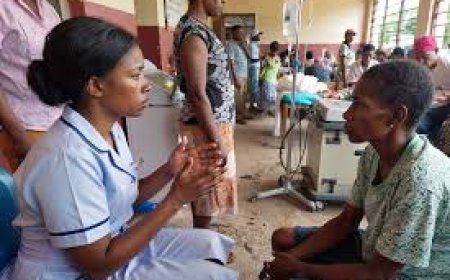
When Home Remedies Are Not Enough
While home remedies are useful, they are not always effective in a few circumstances. You should seek medical care if you experience:
-
A high fever: Particularly if it is persistent or accompanied by other concerning symptoms.
-
Severe pain: If pain is significant or increasing, it should be treated by prescription medication.
-
Dehydration symptoms: These may be severe thirst, very dark urine, less urination, dizziness or unusual weakness.
-
Vomiting or nausea that lasts: If the vomiting or nausea continues, it could cause dehydration and require medical evaluation.
-
Changes in alertness or confusion: This may be a symptom of more serious illness.
Little youngsters, older adults, pregnant women, or those with drawn out medical issues should see a medical care professional if they are not certain how to be without care.
What's Your Reaction?
 Like
0
Like
0
 Dislike
0
Dislike
0
 Love
0
Love
0
 Funny
0
Funny
0
 Angry
0
Angry
0
 Sad
0
Sad
0
 Wow
0
Wow
0