To Rent or To Buy? The Real Cost of That Outfit
This article breaks down the true cost of special occasion outfits in Nigeria, comparing money, sustainability, culture, and practicality so you can make smarter fashion decisions without regret. The core argument is simple: intentional choices beat emotional spending every time.
 angieyapsalot
Your friend's wedding is in three weeks. The committee has spoken, and the fabric alone is ₦90,000. Your tailor wants another ₦35,000 for styling. You're staring at ₦125,000 minimum for an outfit you'll wear once, take 47 pictures and snaps in, and then banish to the back of your wardrobe forever.
Sound familiar?
Between weddings, birthdays, and every other special occasion that demands a new look, our wardrobes - and bank accounts - are bursting at the seams.
So, should you rent that outfit or buy it? Let's break it down.
The Money Math
Let's be honest, this is where most of us start. How much is this going to cost?
Buying: The Upfront Hit
When you buy an outfit for a special occasion, the costs add up fast and instantly:
- Fabric (especially if it's good lace): ₦30,000 - ₦100,000+
- Tailoring/styling: ₦20,000 - ₦80,000+
- Accessories (shoes, bag, jewelry, etc): ₦20,000 - ₦50,000+
Total: ₦90,000 - ₦180,000 for ONE outfit.
The argument for buying is simple: "It's mine. I can wear it again." But will you? Be honest. When last did you re-wear that green aso ebi from your cousin's wedding? Exactly.
Renting: Pay As You Slay
Rental services in Nigeria are increasing and so are the prices, especially online:
- Designer dress rental: ₦15,000 - ₦80,000 (depending on designer and dress)
- Full look (dress + accessories): ₦25,000 - ₦120,000
- Suit/traditional outfit rental: ₦20,000 - ₦100,000
The appeal? You pay a fraction of retail price, look amazing, return it, and move on. No wardrobe guilt. No storage issues. No post-spending regret.
The catch? You don't own it. If you absolutely fall in love with the piece, or if it's something you know you'd realistically wear multiple times, renting might not make financial sense in the long run.
Here's the real math:
If you'll wear something three or more times, buying probably makes more sense financially. If it's a one-time thing (or let's be real, a one-time thing that you convince yourself you'll wear again but won't), renting wins.
For most special occasion wear? You're not wearing it again. That coral lace is not making a comeback, sorry.
The Fashion Industry's Dirty Secret
The fashion industry is one of the world's biggest polluters. Fast fashion and consumerism final bosses have convinced us that we need new outfits for every occasion, and now, we're drowning in textile waste. In Nigeria, where special occasions demand special outfits (and everyone will definitely notice if you repeat), the pressure to constantly buy new clothes is intense.
Consider this: that organza outfit sitting at the very back of your wardrobe took resources to produce; water, energy, dyes, labor. If you wear it once and never again, all those resources were used for literally hours of use. That's not sustainable.
Renting as Circular Fashion
Rental services operate on the principle of circular fashion. One item gets worn by multiple people over its lifetime, maximizing its use before it becomes waste. Instead of 20 people buying 20 dresses they'll each wear once, 20 people rent the same pool of dresses, and each dress gets worn multiple times.
This model:
- Reduces demand for new clothing production
- Maximizes the lifespan of each garment
- Decreases textile waste
- Lowers the overall environmental footprint per wear
But there's a caveat: Renting is only truly sustainable if the rental company has good practices. If they're dry-cleaning after every single rental (which many do), that's a lot of chemicals and water use. If they're shipping outfits back and forth across the country constantly, that's carbon emissions. Sustainability can be a complicate thing and here, it depends on how the rental business operates.
When Buying Can Be Sustainable
Now, am I saying you should never buy another yard of Ankara again? No. Buying isn't automatically unsustainable.
If you:
- Choose quality over quantity (one great outfit that lasts vs. five cheap ones)
- Actually wear it multiple times
- Eventually pass it on (sell, donate, or give to someone who'll use it)
Then buying can actually be the more sustainable choice.
The problem is most of us don't do this. We buy, wear once, and literally forget about it.
The Practical Reality Check
Beyond money and environment, let's talk about real life.
Storage Space
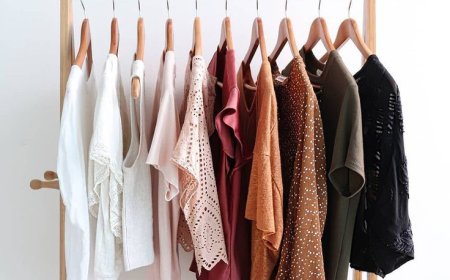
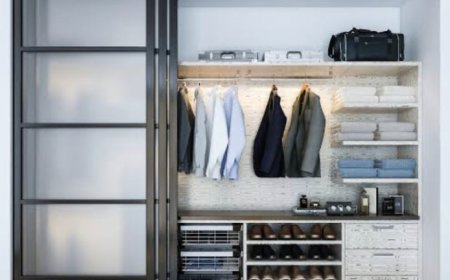
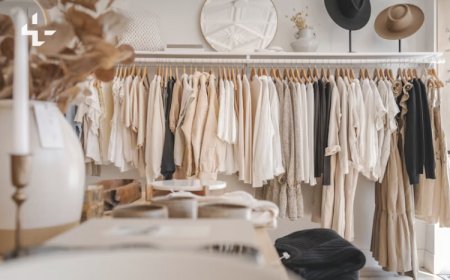
Do you have unlimited wardrobe space? Most of us don't. Those special occasion outfits take up serious room. The beading, the volume, the delicate fabrics that need special storage, it adds up. Renting solves this completely. Wear it, return it, reclaim your closet space.
Maintenance and Care
That heavily beaded outfit? It needs special care. Dry cleaning only. Storage away from light. The traditional outfit with intricate embroidery? Same thing. When you buy, you're also buying into the ongoing cost and hassle of maintaining these pieces.
When you rent, maintenance is someone else's problem. You wear it, you return it, done.
The "What If" Factor
"But what if I need it again?" This is the question that makes people buy instead of rent, and it's usually based on anxiety, not reality.
What if there's another event with the same color scheme? (There probably won't be.)
What if my daughter wants to wear it someday? (Bold of you to assume she'll want your 2025 style in 2055.)
What if I lose weight and it fits better? (Please be fr...)
These "what ifs" keep our wardrobes full and our wallets empty.
Quality and Selection
Here's where buying sometimes wins: if you have very specific style preferences or body measurements that make off-the-rack difficult, buying and tailoring might be your best bet. Rental services, especially in Nigeria, are still growing and might not have your size, style, or the exact look you want.
But the selection is improving. More rental services are offering custom and tailored options, plus-size ranges, and diverse styles.
The Cultural Context
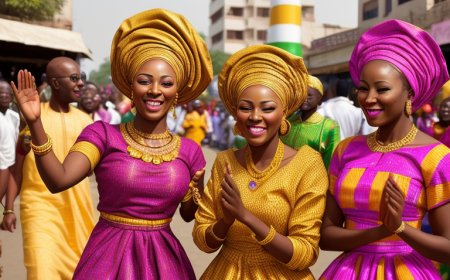
We can't ignore that in Nigeria, fashion is deeply cultural. Here, it isn't just about looking good, it's about showing up for your people, honoring traditions, and being part of a community. The expectation to buy and wear aso ebi is social glue.
Suggesting someone rent instead of buying might even raise eyebrows. "You're renting to my wedding?" can feel like a slight, even though logically it makes perfect sense.
This is changing slowly. Younger Nigerians are pushing back against excessive spending for one-time events. Some couples are even opting out of wedding fabrics entirely or giving guests the freedom to wear what they want. But we're not fully there yet.
Renting works best when:
- There isn't a specific chosen material (events like birthdays, corporate events, date night, photoshoot)
- You're confident enough not to care about judgment
- The event hosts are modern and understanding
So, Which Is More Sustainable?
For most special occasions: renting is more sustainable.
Here's the truth; environmentally and financially, renting wins when it comes to one-time or rare-occasion outfits. You spend less money, you don't contribute to wardrobe waste, and you maximize the use of existing garments.
But there are exceptions:
Buy if:
- You'll genuinely wear it 3+ times
- It's a versatile piece you can style multiple ways
- It's aso ebi for a very close friend/family (cultural expectations matter)
- You have a specific fit/style need that rental services can't meet
- You're buying quality, sustainable pieces from local artisans
Rent if:
- It's a one-time special event
- You want to wear designer/high-end without the designer price tag
- You value wardrobe space and minimalism
- You change your mind about style frequently
- You're trying to be more intentional about consumption
The Hybrid Approach
Here's what smart people are doing: a hybrid model.
- Invest in versatile basics you'll wear repeatedly (a great blazer, quality shoes, classic jewelry)
- Rent the statement pieces for special occasions
- Buy aso ebi only for your innermost circle (immediate family, best friends)
- Rewear and restyle what you already own before buying new
This gives you the best of both worlds; a curated wardrobe of pieces you actually use, plus the flexibility to slay at special events without breaking the bank or your closet.
That friend with ₦400,000 worth of one-time outfits in her closet? She's now renting for most events and only buying for the really important ones. She's saved money, freed up wardrobe space, and honestly? She says she enjoys getting dressed for events more now because there's no guilt attached.
Whether you rent or buy, the most sustainable choice is the intentional one. Ask yourself: Will I actually wear this again? Do I have space for it? Can I afford it without stress? Is there a smarter option?
Because at the end of the day, sustainability isn't just about the environment, it's also about creating a life that's financially, emotionally, and practically sustainable for you.
That event will be lit either way. But maybe your bank account and your wardrobe don't have to suffer for it.
Your move.