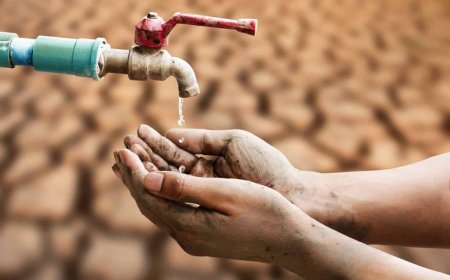
Climate Change Myths Debunked: What You Need to Know About Your Carbon Footprint
Climate change is driven by everyday human activities, not just big industries. Learn the truth about carbon footprint myths, how global warming affects daily life, and simple actions you can take to live more sustainably.
 Modupeoluwa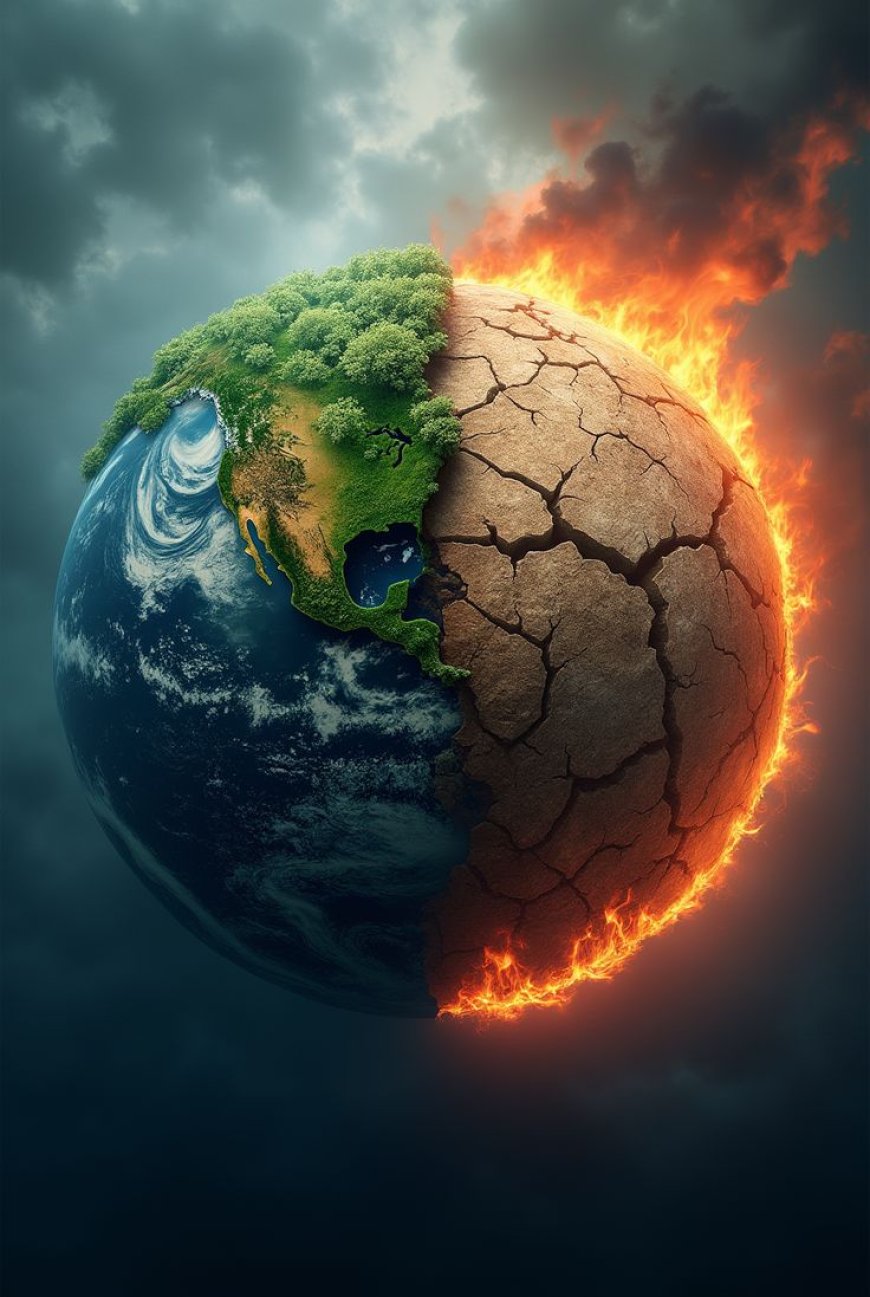
Climate change is not just about seasonal changes and weather imbalances. These changes are much bigger and their effects are real.
Our activities greatly affect the environment and every year we face climate changes, which we think is not of much importance.
Here’s how Global warming and Climate change affects our daily lives:
Heat waves are due to a phenomenon called greenhouse effects which originate from the release of harmful gases (greenhouse gases e.g. carbon dioxide and so on) into the atmosphere which binds with the ozone layer hereby depleting it. These greenhouse gases form a canopy over earth (greenhouse effect) and traps heat; this process is known as global warming. The gases are derived from car engines, open burnings, industrial emissions, and wood burning that releases carbon dioxide into the atmosphere. So, in a major way, harmless activities like camping and so on can contribute to this. It should be fine since we have trees that can again capture CO2 and clean the atmosphere; however, trees are being cut down at an alarming rate for human purposes.
At this point, we utilize nature’s resources at an alarming rate that nature becomes unable to replenish itself. This is where we talk about Sustainable development; the use of nature’s resources to meet present needs without compromising the needs of future generations.
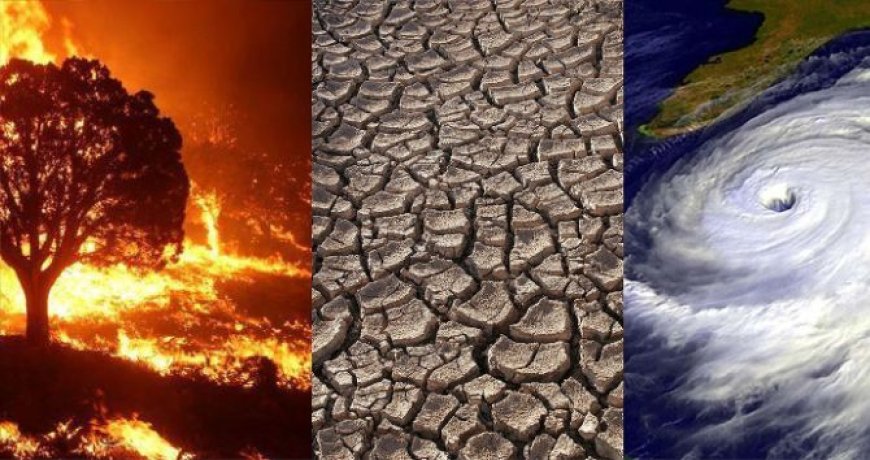
Because it is catalytic, the effects lean into each other. When there’s excessive heatwaves and low rainfall, droughts come into the mix, hence; food scarcity. Which is not what anybody wants.
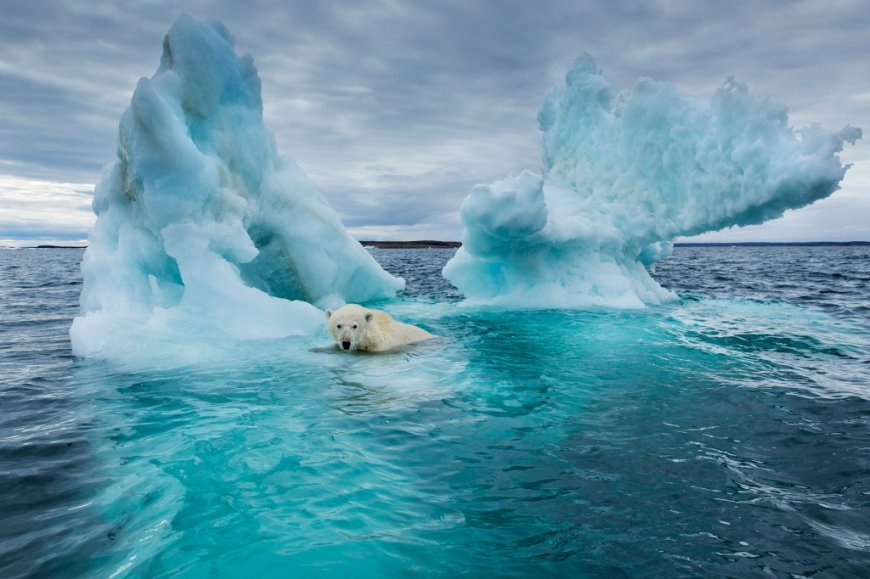
We absolutely must talk about polar bears and their homes; I mean we see polar bear pictures and graphics where they lose their homes and all. So, we must talk about how this home is lost. This is how this uprooting works; Extreme heat due to global warming melts ice, yes! even the north pole and the polar bears ultimately lose their homes because all these regions are ice and water. Then this event creates a cataclysm that is the rise in sea level which causes tsunamis, coastal floodings and harm to humans. Another angle is the building of structures and urbanization on natural marshlands which eradicates the purpose of marshlands which is to control floods, erosions and support biodiversity. Therefore, no marshland equals flooding. These are but a few that shows that we as humans play a major role in Climate change.
Before we can go into what actions we can take in reducing our carbon footprints, let’s talk about the common misconceptions and myths regarding Carbon Footprints.
First, what are Carbon Footprints?
This is the total amount of greenhouse gases, especially carbon dioxide, released into the atmosphere by an individual, organization, event, or product. It helps quantify the impacts of our daily activities like food consumption, transportation, energy, production, and basically what we buy.
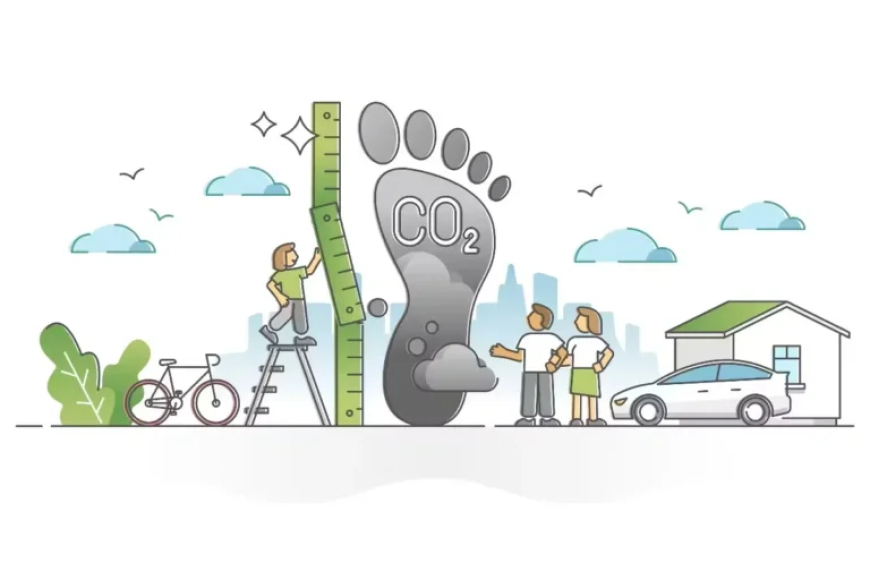
Myths and Misconceptions:
- The lie that only big industries and Developed countries have carbon footprints; smaller industries and developing countries also contribute, however in lesser scale. Also, do you know that you can contribute to climate change by using unsustainable products.
- That Nature will take care of everything: I mean it’s true that Nature plays major roles in life’s continuity and existence. But that doesn’t mean that our little but reactive actions cannot ruin its regenerative attribute. The fact is that most unsustainable actions actually eliminate nature and limit its abilities, hence the natural process of protecting us.
- Some niche of industries like the technology/digital sector, textile industries and so on do not take part in global warming or emissions. This claim supports the act of greenwashing (portraying a product, policy or company as environmentally friendly than it actually is). However, most of these sectors utilize unsustainable energy for its processes. Manufacturing some technological products or textile materials produces emissions and pollutes the environment.
- As individuals, we contribute little to climate change: Every individual's action is representative of a whole, and all actions sum up to create a major effect.
“Great things are done by a series of small things brought together.” Vincent Van Gogh
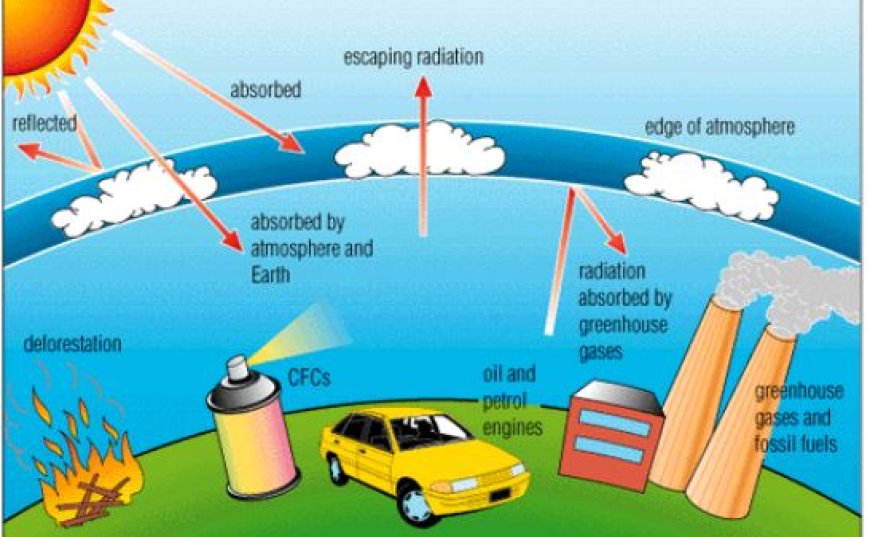
Let’s take stock of common unsustainable habits we do as individuals.
- Excessive use of plastics in forms of straws, bags, bottles, and single-use materials.
- Improper waste disposals and burning
- Driving for short distance errands
- Energy, Food and Water wastage
Small actions we can take part in that make big differences and ultimately reduce our Carbon footprints:
- Support and follow laws that protect the environment and project sustainability. For example, support the push for paper straws and reuse bags for shopping.
- Like, share, encourage and if possible, join movements that support eco sustainability.
- Be eco-conscious: foster a sustainable mindset and encourage others towards that mindset.
“The environment is no one’s property to destroy; it’s everyone’s responsibility to protect.” Mohit Jain
Share your change stories and how you’ve unconsciously or knowingly been sustainable this week!