Exploring fashion and tech: The new revolution
Fashion and technology are transforming how clothes are designed, produced, marketed, and worn. Explore how digital tools, AI, and data are reshaping fashion.
 Destiny Aniyom
Have you ever been in a fix, wondering what the best outfit for the next event would be? The most presumed solution to this would be getting up and reaching for your phone to check fashion styles online or get inspiration. Before you step outside or consult a friend, technology has already influenced what you wear. There are certain apps that guide outfit choices like Pinterest. Online shopping platforms remember your size. Brands release collections online before physical stores receive stock. Fashion and technology did not collide overnight. Technology entered fashion quietly, and is revolutionising it. Today, tech shapes how clothes get designed, produced, sold, and worn. You experience this shift daily, even without noticing.
The design stage changed first
Earlier, fashion design relied on hand sketches, fabric samples, and long approval cycles. Teams waited weeks to test ideas which resulted in errors costing money and time. Digital design tools changed this process. Designers now build garments in 3D software. Teams test colors, fits, and proportions digitally and edits happen in hours, not weeks. This shift reduces waste and speeds decisions.
According to Nike FY2022 impact report, Nike reports digital product creation cut development time by up to 50 percent.
Speed matters because trends move fast. Social platforms influence demand instantly. Designers no longer guess rather they respond to what's trending.
Production moved from mass to measured
Factories focused on large volume production. Brands predicted demand months ahead with unsold stock piled up and losses following up. However, technology changed how production works. Automated cutting machines improve precision. Smart systems track inventory levels in real time.
Data informed restocking decisions. Brands now produce smaller batches and restock based on demand signals.
According to the Harvard business review, Zara uses real time sales data to adjust production weekly. This reduced excess inventory by about 15 percent. Production became flexible, waste dropped and response time improved.
Materials evolved with science
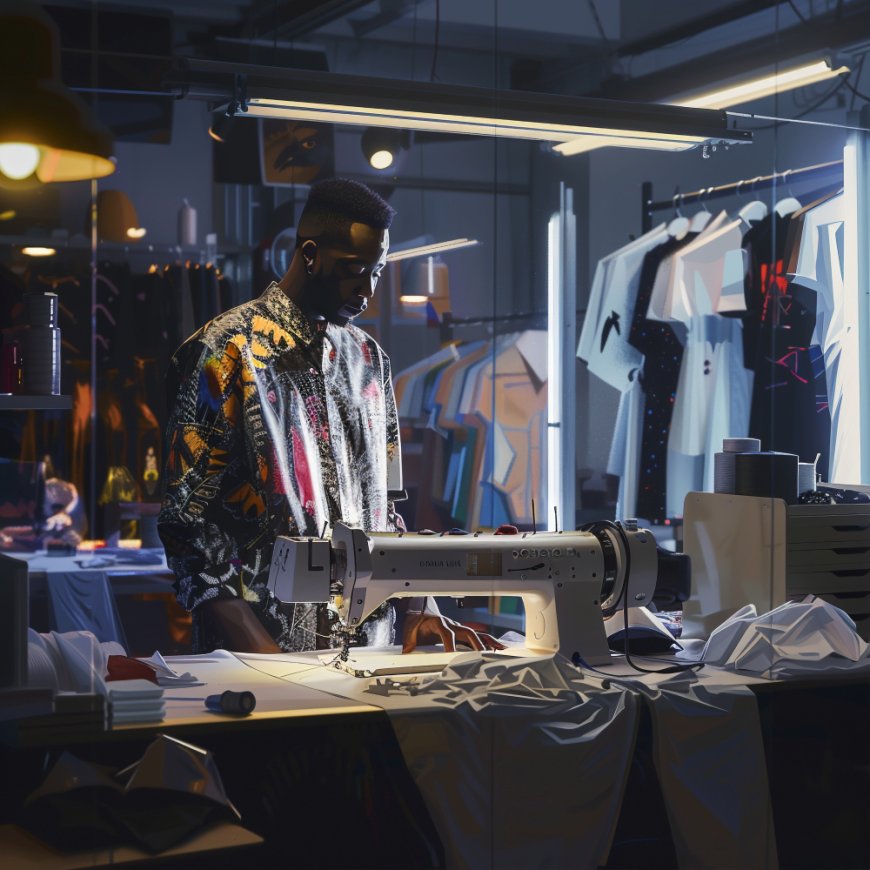
Fabric innovation now blends science with fashion needs. Engineers develop materials using recycled waste, lab grown fibers, and performance focused compounds. You already see these materials on shelves. Shoes made from recycled ocean plastic. Jackets designed to regulate body temperature. Sportswear with moisture sensing fabrics.
According to Adidas sustainability progress report, Adidas reports over 20 million pairs of shoes made with recycled ocean plastic between 2015 and 2022. Material innovation supports performance goals and sustainability targets at the same time.
Retail shifted to screens
Shopping once meant visiting physical stores. However, currently technology has changed consumer behavior. Online platforms now dominate fashion retail.Retail tech focuses on three priorities which are; personalization, speed and convenience. Algorithms study browsing habits and purchase history. Your feed shows items selected for your taste, size recommendation and tools to improve accuracy. Returns cost brands money. Fit technology reduces risk for buyers and sellers.
Virtual fitting reduced guesswork
Fit remains one of fashion’s biggest challenges. Technology now tackles this issue directly. Virtual try on tools allow customers to preview outfits on digital models. Some platforms scan body dimensions using phone cameras. Others simulate fabric behavior digitally.
According to the Walmart global tech blog, Walmart tested virtual try on tools and recorded conversion increases above 20 percent in selected categories. Confidence improves when shoppers know what to expect.
Marketing became data driven
Fashion marketing once depended on magazines and runway shows. Technology reshaped visibility and influence. Social platforms now control discovery, algorithms determine reach and metrics guide decisions. Brands track engagement, clicks, and conversions daily. Viral content shifts demand within hours.
TikTok ranks among top content categories by global engagement. Marketing reacts faster than ever with campaigns adjusted in real time.
Access expanded for designers and buyers
Fashion once limited access by geography and cost. Digital platforms removed many of these barriers. Independent designers now sell globally. Small brands reach international buyers and direct consumer models grow.
Tools supporting this shift include online storefronts, integrated checkout, and global payment systems.
The exciting thing is that access widened and the competition increased.
Wearables blended tech and style
Wearable devices combine function and fashion. Smartwatches lead adoption, smart rings follow and apparel now integrates sensors. Wearables track health and activity data. Design teams focus on comfort and aesthetics while tech companies learn from fashion design. Fashion and tech now collaborate by necessity.
Fashion faces pressure to reduce waste and emissions while technology offers measurement and control. Brands use software to track supply chains. Blockchain systems verify sourcing. AI predicts demand more accurately. Sustainability now depends on systems, not promises only.
AI entered the decision room
Do you know that Artificial intelligence influences fashion behind the scenes? AI supports trend analysis, assists with design suggestions and improves customer service operations. AI handles speed and scale. Now, humans focus on style and direction.
In conclusion, your choices drive these systems, your clicks influence production and your purchases shape trends.
Fashion no longer waits for seasons, it responds to signals. Those signals come from you. Look at what you wear today. Consider how technology shaped each step, from design to delivery.
Which change improved your shopping experience?
Which shift feels uncomfortable?
Which trend should slow down?
Your answers influence the future of fashion more than you think.