
























































NASA’s ARTEMIS PROGRAM IN 2026: Historic Steps Forward, Realistic Challenges Ahead
NASA’s Artemis II mission in April 2026 marked a historic milestone as the first crewed flight beyond low Earth orbit since Apollo 17 in 1972. The article provides a balanced, accessible overview of the mission’s success, the broader Artemis program’s progress, remaining challenges, and its long-term significance for lunar exploration and future Mars missions. It highlights the achievements of the diverse international crew while maintaining a realistic view of delays, costs, and technical hurdl
Prefer listening? Tap play and the article will be read aloud.

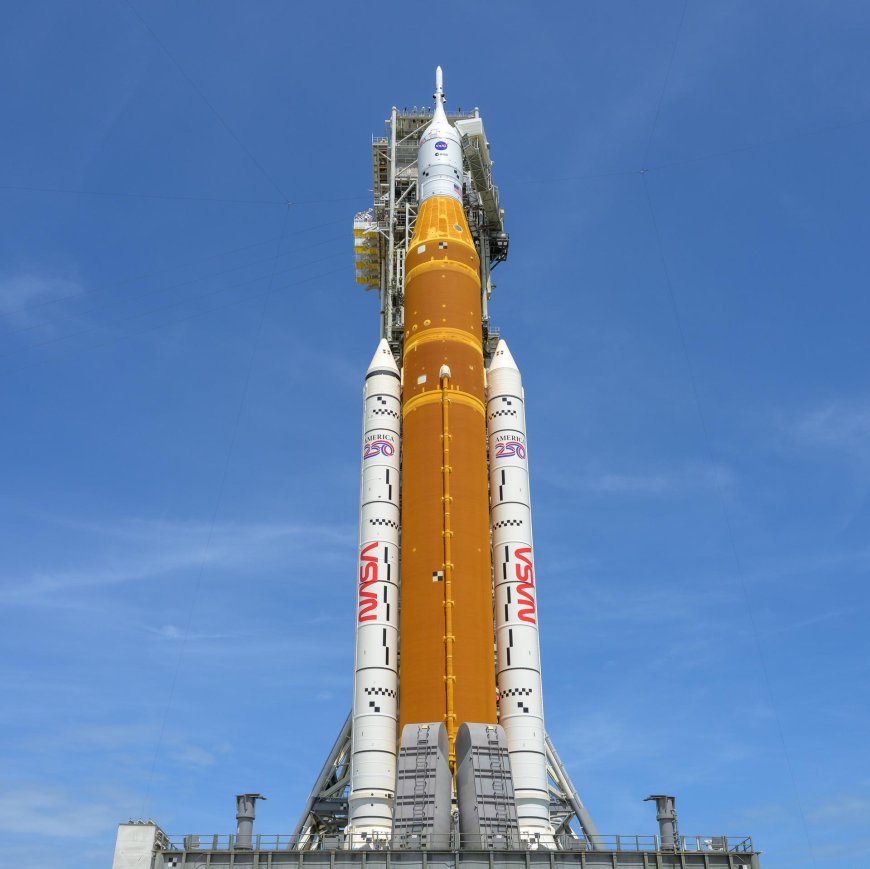
In April 2026, NASA achieved a major milestone in humanity’s return to the Moon. Artemis II launched on April 1 with four astronauts aboard the Orion spacecraft atop the powerful Space Launch System (SLS) rocket. This marked the first crewed mission beyond low Earth orbit since Apollo 17 in 1972. After a nearly 10-day journey that took them farther from Earth than any humans before, the crew splashed down safely in the Pacific Ocean.
The mission has generated excitement worldwide, but it also highlights the Artemis program’s mix of impressive progress and persistent delays. Here’s a clear look at where things stand.
The Success of Artemis II: First Crewed Lunar Flight in Over 50 Years
The crew NASA astronauts Reid Wiseman (commander), Victor Glover (pilot), Christina Koch (mission specialist), and CSA astronaut Jeremy Hansen flew a free-return trajectory around the Moon. At their farthest point, they reached approximately 252,756 miles from Earth, setting a new record for human distance in space.
The mission tested Orion’s systems in deep space, including life support, navigation, and the critical heat shield during high-speed reentry. The successful outcome has boosted confidence for future flights. Images and videos from the crew showed stunning views of Earth and the Moon, inspiring millions and reminding everyone why lunar exploration matters.
Program Evolution: From Original Plans to Current Reality
Artemis has faced significant delays and cost overruns over the years. The program is now estimated at around $93 billion through 2025, and timelines have shifted multiple times. Originally, Artemis III was meant to land astronauts on the Moon. That goal has been adjusted for safety and technical readiness.
Artemis III is now planned as a 2027 mission in low Earth orbit. It will test rendezvous and docking between Orion and commercial lunar landers from SpaceX and Blue Origin. This extra practice step aims to reduce risks before attempting actual landings. The first crewed lunar landing is now targeted for Artemis IV in early 2028, with hopes for a second landing later that year.
Why Artemis Matters: Science, Exploration, and the Long Game
The program isn’t just about planting flags. It aims to establish a sustainable presence on the Moon, including the Gateway lunar space station, and prepare for eventual human missions to Mars. Artemis focuses on diversity and inclusion — Artemis II already featured the first woman, first person of color, and first non-American on a lunar mission trajectory.
Future missions will target the lunar South Pole, where water ice could support long-term bases. International and commercial partners play key roles, spreading both costs and benefits.
Challenges and the Road Ahead
Technical hurdles remain, especially with the complex lunar landers and consistent SLS/Orion production. Budget pressures and tight schedules mean NASA must balance ambition with safety. Critics point to high costs and delays, while supporters highlight the technological spin-offs and the importance of beating international competitors like China in deep space.
A New Chapter in Human Spaceflight
The successful Artemis II mission in 2026 represents real progress after years of preparation. It rekindled global interest in lunar exploration and validated NASA’s approach of combining government rockets with commercial innovation.
Looking ahead, the focus is on Artemis III’s docking tests in 2027 and the landmark landings in 2028. Challenges like schedule slips and costs will continue, but the foundation is stronger now.
Artemis shows both the difficulty and wonder of pushing humanity’s boundaries. With steady progress and international teamwork, the Moon is becoming a stepping stone not just a destination for deeper space exploration. The best chapters are still ahead.
What's Your Reaction?
 Like
0
Like
0
 Dislike
0
Dislike
0
 Love
0
Love
0
 Funny
0
Funny
0
 Angry
0
Angry
0
 Sad
0
Sad
0
 Wow
0
Wow
0