















































Is Remote Work and the Nomad Lifestyle as Glamorous as It Seems?
Remote work offers real advantages like cost savings,schedule control, and global job access, built demands discipline and self structure. An honest look at what works and what doesn't.

Prefer listening? Tap play and the article will be read aloud.

CO-WRITTEN WITH BERNICE AYANBANJO
Remote work and the nomad lifestyle are often presented online as the ideal way to live and work: working from home in comfort, earning in foreign currency, and having full control of your time.
But beyond the aesthetic and social media version of it, the real question is this: is remote work actually as practical and beneficial as it seems, especially in real-life conditions like Nigeria?
This article takes a balanced look at remote work from a "for" perspective while still examining its limitations, to understand whether it is truly a sustainable way of working or just a modern-day illusion of flexibility.
The freedom is the point
Remote work gives you control over the things that determine whether you do good work or average work. You choose when you're most focused and build your schedule around that instead of default office hours. You choose your environment, whether that's silence, background noise, or moving between spaces.
This freedom goes further for nomads. You're not stuck in one city because of a lease or a job. You can move based on cost of living, weather, or simply because you want to. You can follow opportunities or seasons instead of being tied to a location that no longer works for you.
Reduced cost of daily work life
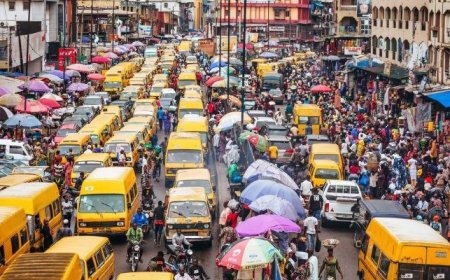
One of the most immediate advantages of remote work is the reduction in daily expenses. There is no need for daily transportation costs, office clothing, or constant spending on food and movement related to commuting. In a country like Nigeria where transport and daily logistics can be unpredictable and expensive, this becomes a major financial advantage.
Over time, these small savings accumulate into a meaningful reduction in overall cost of living.
For nomads, the financial advantage is even stronger. You can live in cheaper cities while earning the same income, which creates immediate breathing room. That extra money can go toward savings, paying off debt, or funding projects that wouldn't be possible if you were spending half your income on rent in an expensive city.
Flexibility and comfort in work environment
Remote work allows individuals to work from environments where they feel most comfortable, usually their homes. While this requires personal discipline, it removes the stress of commuting, traffic, and rigid office routines. For many people, this flexibility leads to better focus and a more manageable daily schedule.
However, it is important to note that comfort does not mean lack of structure. Without discipline, flexibility can easily turn into inefficiency.
Real voices: what remote workers actually say
To test whether this flexibility holds up in practice, I asked a remote worker, Violet, a simple question: do you prefer working from home or going to the office? She said, “I control my schedule and work environment, which gives me better work-life balance and makes it easier to handle personal errands, appointments, or rest. There are no commuting costs, which is huge because transport can be crazy, and I spend way less on work clothes and lunches out. I'm also more productive because there are fewer office distractions and interruptions. The lack of commuting stress is a relief (Lagos traffic is no joke), and I have more time for rest, exercise, home-cooked meals, and I'm less exposed to office illnesses. Remote work also opens access to global job markets, so I can work for companies anywhere in the world, often with higher pay, especially when working for foreign companies while living in Nigeria. I get to work in my own space, dress however I want, and spend more time with family or on personal pursuits”.
This tracks with the broader pattern: once people experience the autonomy of remote work, most don't want to go back.
Development of digital and technical skills
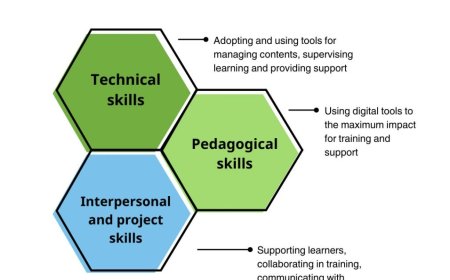
Another strong advantage of remote work is the exposure it provides to digital tools and systems. Remote roles often require the use of communication platforms, task management tools, and virtual collaboration systems. Over time, this naturally builds digital literacy and technical adaptability.
In today's job market, these skills are becoming less optional and more necessary across almost every industry. The person who can adapt quickly to new tools and systems is also the person who can enter a new industry or change direction without losing momentum.
The work often gets better
Remote work forces clarity. Everything has to be explicit: what you're working on, why it matters, how success is measured, when things are due. That clarity makes work better.
It also removes fake productivity. You're not judged by how long you stay at your desk or how busy you look in meetings. You're judged by results. If you're someone who produces results without needing to perform busyness, remote work is a structural advantage.
Alignment with the future of work
The global job market is increasingly shifting toward digital and hybrid systems. More companies are now open to remote collaboration, meaning physical presence is no longer the default requirement for many roles. This shift makes remote work not just a temporary trend but part of a larger transformation in how work is structured globally.
In that sense, remote work aligns closely with where the future of employment is heading.
Access to global opportunities
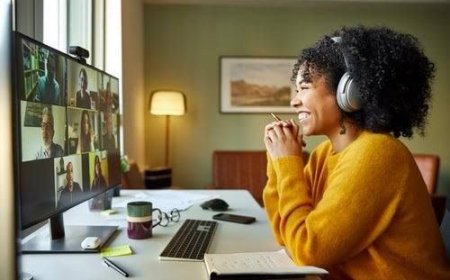
Perhaps one of the strongest advantages of remote work is access. Unlike traditional jobs that are limited by location, remote work opens access to global opportunities. Skilled individuals can work for companies across different countries without relocating physically.
This also increases earning potential, especially when working with international clients or organizations that pay in stronger currencies. In practical terms, geography becomes less of a barrier to career growth.
Broader global perspective of the workforce
Remote work also exposes individuals to international standards of communication, work ethics, and organizational structure. Working with global teams helps build a broader understanding of how different systems operate. This exposure can improve professionalism, adaptability, and overall career development.
You also meet people you wouldn't encounter in a fixed location. Coworking spaces and digital nomad hubs attract people who are building things, freelancing, or working on projects that don't fit traditional career paths. The conversations that come out of that often lead to partnerships, clients, or ideas you wouldn't have access to otherwise.
It also makes the workforce more globally competitive over time.
The downsides are manageable
Yes, you lose the default social structure of an office. But you gain the ability to be intentional about who you spend time with. You choose your community based on shared interests, values, or goals.
Yes, you have to manage your own systems, but that also means you're not dependent on someone else's infrastructure. You learn to be resourceful and to solve problems on your own.
What's Your Reaction?
 Like
0
Like
0
 Dislike
0
Dislike
0
 Love
0
Love
0
 Funny
0
Funny
0
 Angry
0
Angry
0
 Sad
0
Sad
0
 Wow
0
Wow
0