














































The Tax Revolt That Forced a King Into Exile: How Funmilayo Ransome-Kuti Became Nigeria's Most Dangerous Woman
This article explores the iconic story of the legendary Funmilayo Ransome Kuti.
Prefer listening? Tap play and the article will be read aloud.
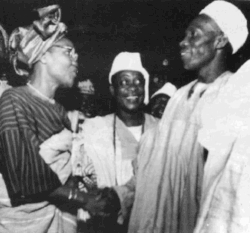
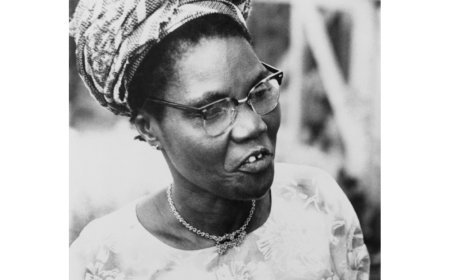
On the morning of November 29, 1947, Funmilayo Ransome-Kuti stood at the gates of the Alake's palace in Abeokuta with 10,000 women behind her. They were not there to beg. They were there to demand the abdication of Alake Ademola II, the traditional ruler who had become a puppet of British colonial administrators. The women sang war songs. They carried placards. Some had tied their wrappers tight around their waists, the way Yoruba women do when they are ready to fight.
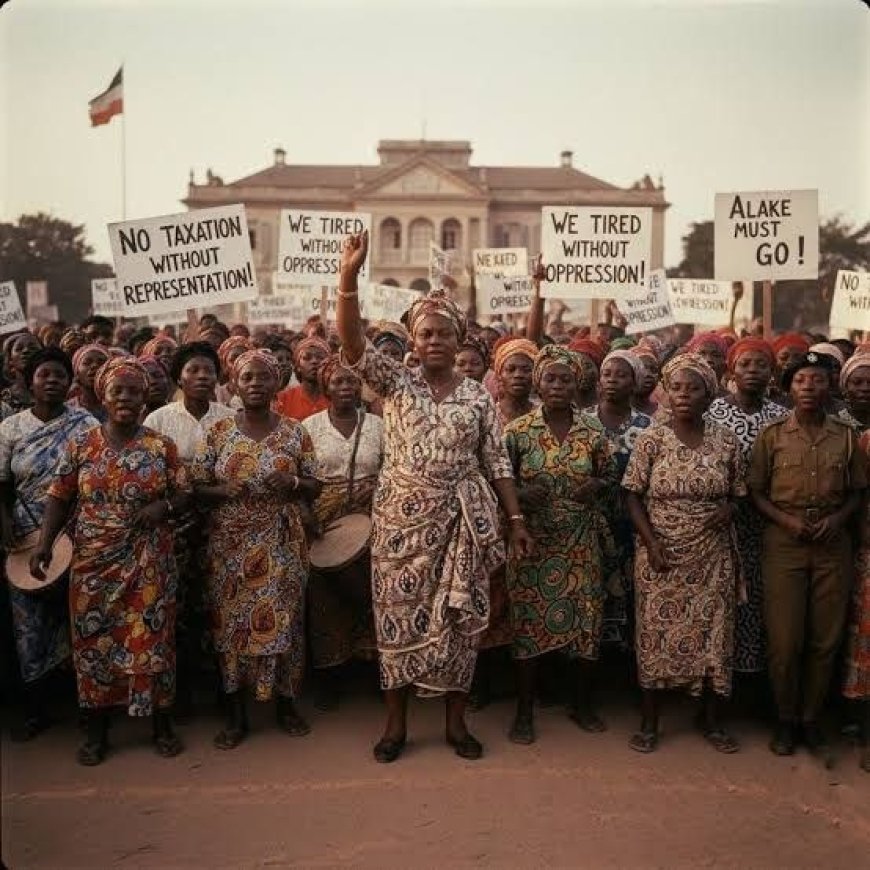
Source: TedG
Alake stayed inside. He would not last much longer.
Funmilayo Ransome-Kuti is often remembered as Fela's mother, the woman who raised a revolutionary. But before Fela picked up a saxophone, before he turned the Shrine into a political theater, Funmilayo had already forced the British colonial government to dismantle an entire tax system and exile a king. She did it without a weapon. She did it with a structure that was organized
The Tax That Broke the Women
In 1918, the British introduced a flat tax on all adult men in Abeokuta. It was wildly unpopular, but it stuck. By the late 1940s, colonial administrators wanted more revenue. They decided to tax women too.
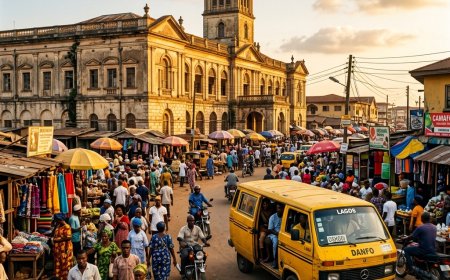
The logic was simple: women dominated the markets. They controlled trade in foodstuffs, textiles, and palm oil. If the colonial government could tax every woman in Egbaland, they could double their revenue overnight.
The implementation was brutal. Warrant chiefs, local rulers appointed by the British, were tasked with collecting the tax. Many of them inflated the figures, skimming off the top while extorting market women. Some demanded bribes. Others seized goods if women could not pay. The system was corruption wrapped in colonial bureaucracy.
Funmilayo, then a teacher and the daughter of a wealthy Egba family, watched it happen. She had been educated in England, spoke fluent Yoruba and English, and had spent years working in women's education. But when the tax hit, she stopped teaching and started organizing.
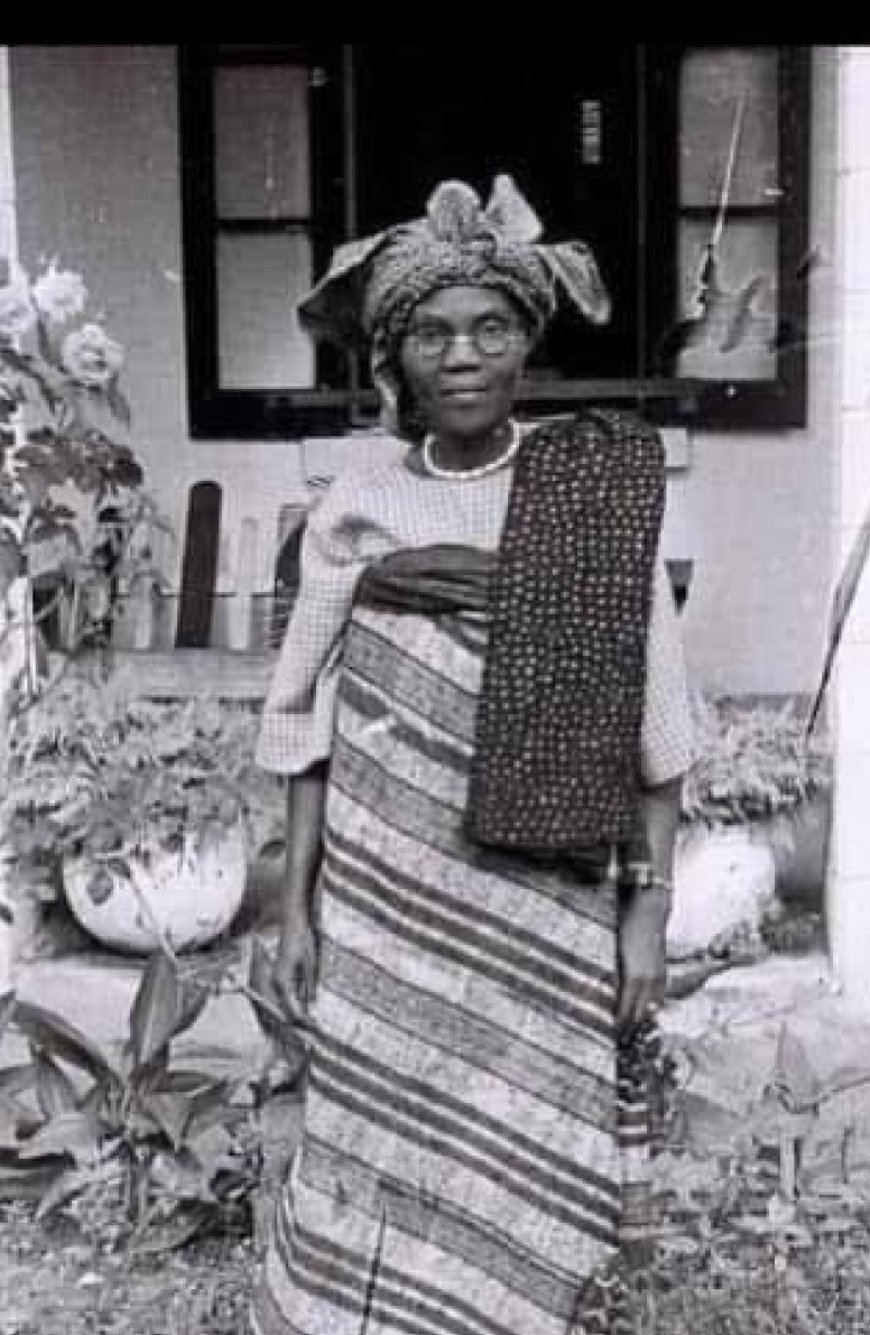
Source: Greg Nwoko
The Abeokuta Women's Union
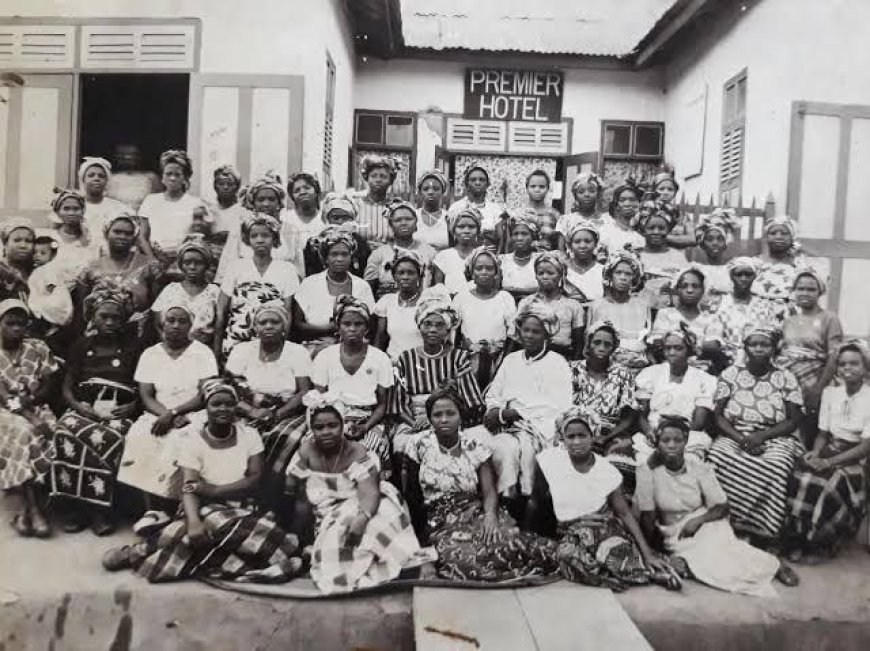
In 1946, Funmilayo founded the Abeokuta Women's Union (AWU). It started small, a few dozen women meeting in her home. Within months, it grew to thousands. Market women, farmers, petty traders, laundrywomen, all joined. They were tired of being ignored by both the British and the traditional rulers who claimed to represent them.
Source: This American Life
The AWU's demands were clear: abolish the women's tax, remove corrupt warrant chiefs, and give women representation in the Native Authority. Funmilayo did not frame it as a feminist issue. She framed it as an economic one. The women were being bled dry, and the men who claimed to lead them were complicit.
The British ignored them. So did Alake.
That is when Funmilayo changed tactics.
The Siege
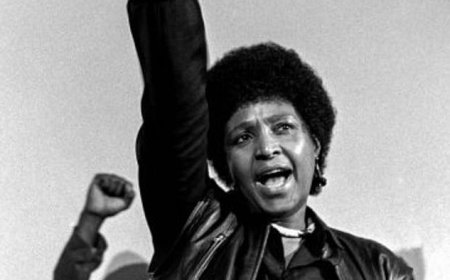
The AWU began a campaign of strategic disruption. They picketed Alake's palace daily. They disrupted court sessions. They refused to pay the tax in mass numbers, daring the colonial government to arrest thousands of women at once. When colonial officials tried to hold meetings, the women showed up uninvited, filled the halls, and shouted down anyone who tried to defend the tax.
Funmilayo traveled to Lagos to meet with British administrators. She traveled to London to testify before the Colonial Office. She wrote letters to newspapers. She gave speeches in Yoruba and English, code-switching depending on her audience. She was relentless.
The turning point came in 1948. The women escalated. They surrounded Alake's palace and refused to leave. For weeks, they camped outside, singing, chanting, disrupting everything. The Alake could not govern. The British could not enforce order without violent confrontation, and they knew how that would look in the press.
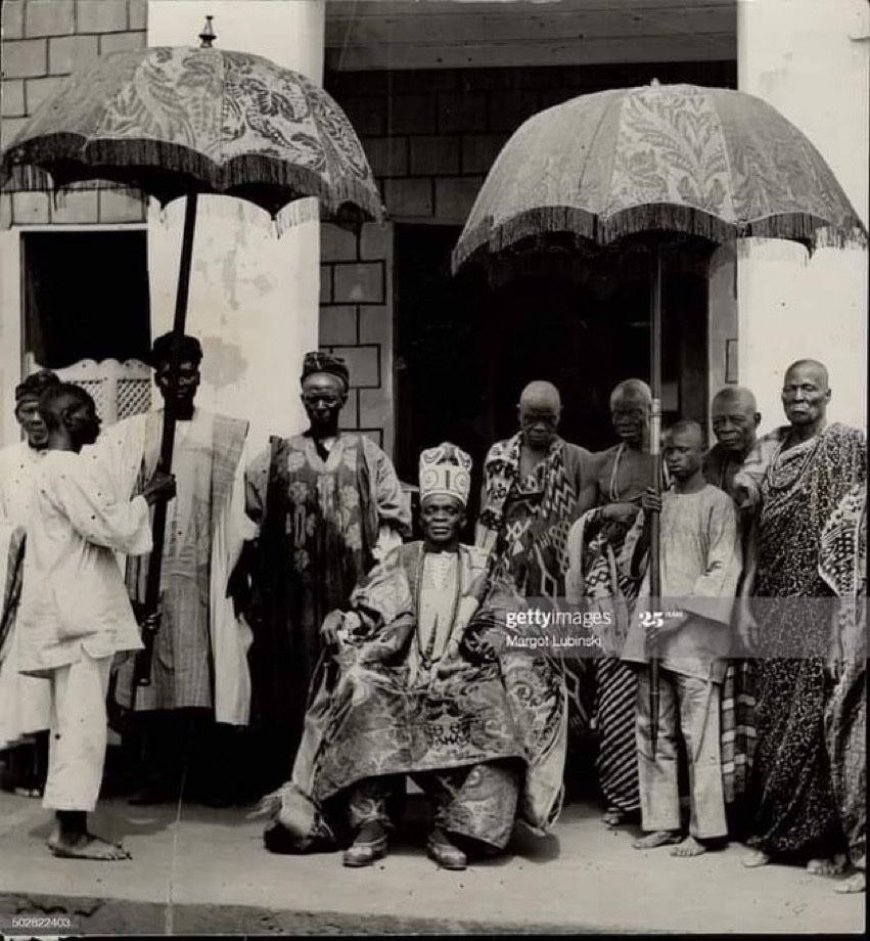
In January 1949, Alake Ademola II abdicated. He went into exile. The British suspended the women's tax later that year.
Funmilayo had won.
Source: Getty Images
What Happened After
The Abeokuta victory made Funmilayo a national figure. She became the first woman to attend a session of the House of Chiefs in Nigeria. She traveled across Africa, meeting with independence leaders in Ghana, Egypt, and Tanzania. She attended socialist conferences in Europe and Asia. She became a pan-Africanist, linking the struggle against colonialism in Nigeria to broader movements for liberation across the continent.
But Nigeria's independence in 1960 did not bring the kind of political transformation Funmilayo had fought for. Women were still excluded from most forms of political power. Traditional rulers, many of whom had collaborated with the British, retained their influence. The corruption she had fought against in the 1940s simply shifted from colonial administrators to Nigerian elites.
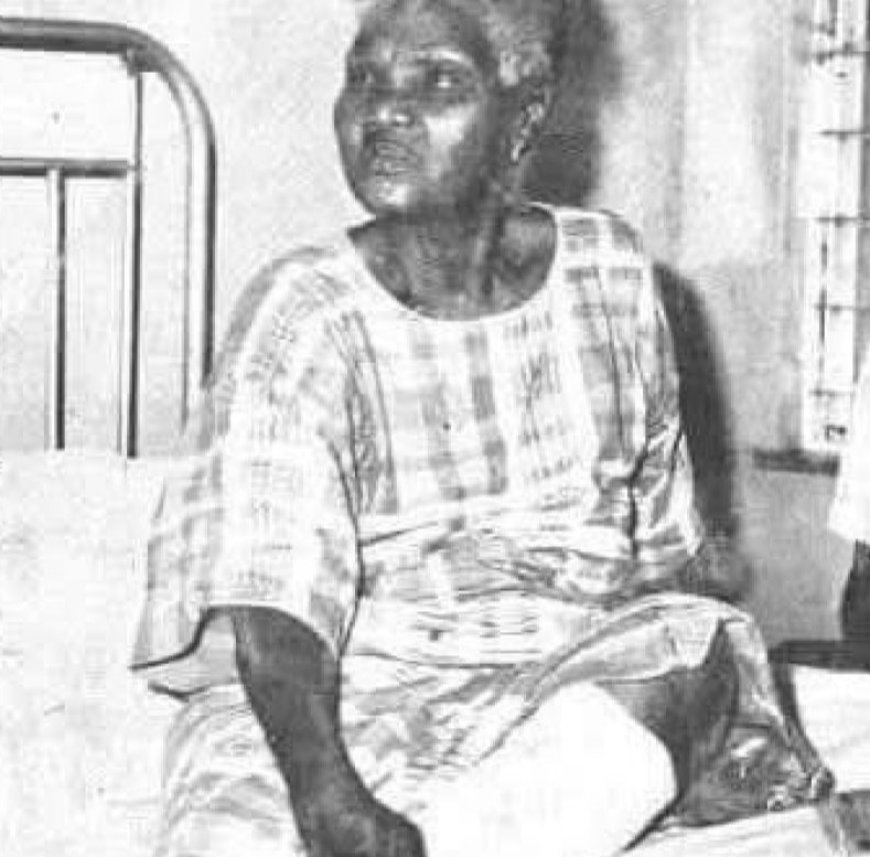
Funmilayo kept organizing. She kept speaking. She kept pushing. In 1977, during a military raid on Fela's Kalakuta Republic, soldiers threw her from a window. She never fully recovered. She died in 1978.
Source: Facebook
Why This Matters Now
Most Nigerians know Fela. Fewer know Funmilayo. That gap says something about how we remember resistance. We celebrate the loud, the confrontational, the male. We forget the women who built the infrastructure that made resistance possible.
Funmilayo did not lead a GUERRILLA war. She did not give fiery speeches that got recorded and replayed for decades. She organized market women. She built coalitions. She used British bureaucracy against itself. She forced a king into exile without firing a shot.
That kind of power does not make for easy mythology. But it is the kind of power that actually changes systems.
What's Your Reaction?
 Like
0
Like
0
 Dislike
0
Dislike
0
 Love
0
Love
0
 Funny
0
Funny
0
 Angry
0
Angry
0
 Sad
0
Sad
0
 Wow
0
Wow
0