Misconceptions Around Introversion
This article explores common misconceptions about quiet personalities, explaining that being quiet does not mean being foolish, proud, weird, or insecure. It highlights the true characteristics of quiet people and encourages better understanding and respect for those who speak less.
 Popoola Mary
We live in a world where people mistake being quiet to being a fool.Both are not the same; though there are some people that are quiet and also tolerate misbehavior from people, some are quiet but do not tolerate people’s misbehavior.
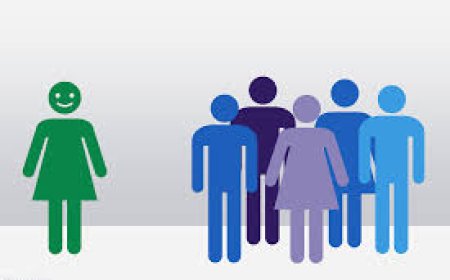
Introversion is mainly related to how scantily a person speaks. A quiet person tends to talk less, prefers silence or calm environments, and may feel more comfortable listening than speaking. A quiet person is someone who generally speaks less, prefers calm environments, and often enjoys solitude or small groups, acting as an observer, deep thinker, and good listener who values meaningful connections over small talk. In terms of personality types, introverts are commonly associated with being quiet because they recharge through solitude and internal reflection. However, being quiet is exclusive to introverts.
There are some characteristics that are peculiar to quiet people, those characteristics are peculiar to them and it is visible, it is not a hidden trait, what do I mean? When you see someone that is quiet, you do not need to be told before you will recognize them; even if you are told and the person’s character does not fit the qualities, you will be able to discern.
These characteristics include:
Quiet people are generally thoughtful, observant, and reflective individuals who prefer listening over speaking. They are not too quick to speak, they are not comfortable being in the midst of people, and barely contribute to general discussions. They would rather listen and learn than contributing to matters raised by others, they are nervous, and avoid making mistakes in open environments. Furthermore, quiet people are very observant when it comes to making friends, they are selective when it comes to making friends and avoid confrontational episodes.
Calm and Reserved: They are often seen as gentle, low-key, and composed. They avoid unnecessary drama and attention. They are not riotous, and try as much as possible to avoid occasions that could lead to misunderstandings. They often exhibit self-control and respect.
Independent and Creative: Many are self-motivated, enjoy working alone, and possess high creativity. They often work as artists, writers, or in fields requiring deep focus. Creativity comes from deep thought. Oftentimes, people that are creative tend to be alone because it fuels their inspiration and puts off all forms of distractions.
MISCONCEPTIONS
Quiet People are Weirdos
One of the misconceptions that surrounds quiet people is that they are weirdos. 'Weirdo' is an informal, often derogatory term for a person who is exceptionally eccentric, strange, or bizarre. Quiet people’s preference for solitude does not make them abnormal; it makes them unique. They are not abnormal, they just enjoy bein on their own.
Quiet People Are Proud
People assume quiet people are proud. Contrary to this assumption, they are humble. They barely share personal information with the public; they are secretive, and they love to mind their business. Often times when you meet them they would rather exchange pleasantries and end it there, they would not want to go further with discussions. Even if they were asked question, they would rather give straight answers and move on.
Quiet People are Fools
If you are closer to quiet people, most of their conversations are usually lime. People often mistake them for fools, especially when they are being mocked and they keep quiet or choose not to react immediately. They might choose not to respond instantly; they might bottle up the offenses and later open up. They might be angry when they decide to open up, which will demand them to show or display the character that is not peculiar to them.
Quiet People Lack Confidence
Quietness does not equal insecurity. Confidence can be loud or quiet. Many quiet people are confident internally but do not feel the need to prove themselves through constant speech.
Conclusion
Quiet people should not be judged by their silence. Their quietness does not make them foolish, proud, weird, or insecure. Most times, their silence is a choice to observe, to avoid unnecessary conflict, or to protect themselves. Quiet people are thoughtful, calm, selective, and creative individuals who simply express themselves differently. Understanding this helps reduce the misconceptions surrounding quiet personalities and encourages respect for people who choose silence over noise.