
Healing Isn't Pretty And That's Okay!
Social media glamorizes healing, but real healing is messy, nonlinear, and deeply personal. Explore the truth about relapse, healing timelines, and why you don’t owe anyone your journey.
 angieyapsalot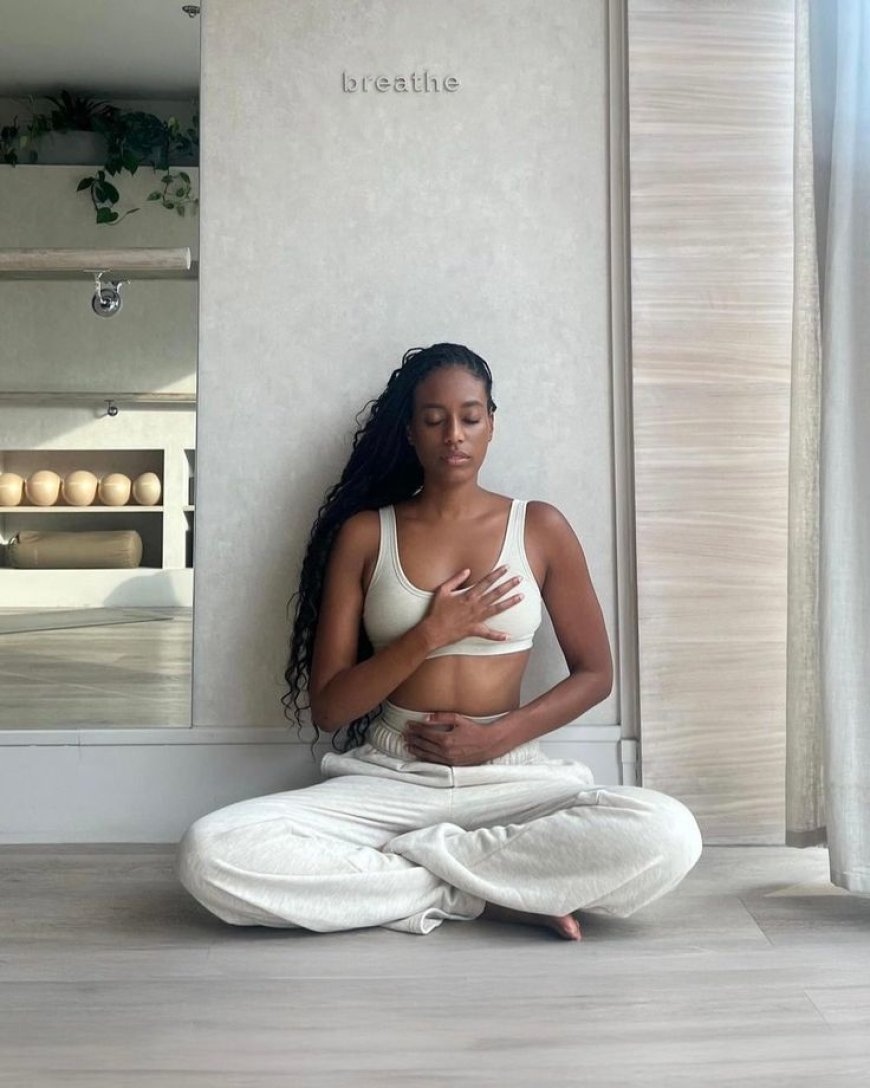
Social media has sold us a very specific version of healing. It looks like going to the gym before sunrise, journal spreads with perfect handwriting, green smoothies in those overpriced aesthetic glasses, and caption quotes about growth and self-love. The person healing is glowing, centered, and posting inspirational content about their journey.
That version of healing appears very seldom in the real journey.
Real healing looks like crying in your bedroom while preparing for work because a song reminded you of something you're trying to move past. It looks like canceling plans because you don't have the energy to pretend you're okay and don't trust yourself not to break down. It looks like ordering food for the fifth night in a row because cooking feels impossible. It looks like relapsing into old patterns you swore you'd left behind and having to start over again.
Healing is messy, ugly, inconsistent, and exhausting. And we need to stop pretending otherwise.
The Instagram Wellness Industrial Complex
Somewhere along the way, healing became an aesthetic. Therapy (and it's language) became trendy. Mental health became marketable. And suddenly, everyone on the internet was selling you their version of wellness, complete with affiliate links.
The healing you see online is always beautiful. Minimalist bedrooms with plants and soft lighting. Morning routines that involve meditation, skincare, affirmations, and gratitude journaling. Captions about choosing yourself, setting boundaries, and letting go of what no longer serves you.
It all looks so peaceful. So intentional. So together.
But that's not what healing actually looks like for most people. Most people aren't healing in aesthetically pleasing ways. They're healing in between hard work shifts, while dealing with family drama, while dealing with commuting in heavy traffic, while trying to pay bills, while navigating relationships that trigger the exact wounds they're trying to address.
Real healing happens in the mess. It happens when you're anything but Instagram-ready.
What Healing Actually Looks Like
Healing looks like having a complete breakdown in your bathroom on a random night and sleeping with swollen eyes and a headache, not a breakthrough quote to post on your story.
It looks like setting a boundary with someone you love and feeling guilty about it for weeks, even though you know it was necessary.
It looks like journaling about the same issues week after week because healing isn't linear and sometimes you need multiple attempts to really deal with something.
It looks like recognizing toxic patterns in yourself, the ones you judged other people for, and having to sit with the uncomfortable reality that you're not as healed or innocent as you thought you were.
It looks like good days and terrible days, sometimes within the same hour. You can feel like you've made progress in the morning and by evening feel like you're back at square one.
Healing looks like admitting you need help when you've spent your whole life being the strong one. It looks like accepting that some damage can't be fixed, only managed.
It looks like disappointing people because you can't be what they need while you're trying to become what you need.
The Relapse Shame
Here's what nobody tells you about healing: you will relapse. You will fall back into old patterns. You will do the thing you swore you wouldn't do again. You will react in ways you thought you'd outgrown.
And when it happens, you'll feel like a failure.
But relapse isn't failure. It's part of the process. Healing isn't a straight line from broken to fixed. It's a messy journey with setbacks, detours, and moments where you end up right back where you started.
The person who goes back to their ex after two months of healing isn't weak. The person who has a panic attack after thinking they'd overcome their anxiety isn't condemned. The person who snaps at someone they love even though they've been working on their anger isn't hopeless.
We've created so much shame around not healing "correctly" or fast enough. We treat setbacks like personal failures instead of inevitable parts of growth. We expect ourselves to be perfect in our healing journey, which is absurd because we're healing precisely because we're not perfect.
You Don't Owe Anyone Your Healing Journey
One of the most toxic things social media has done is create the expectation that healing should be shared. That you should document your therapy sessions, post about your breakthroughs, share your trauma publicly, and be vulnerable for an audience.
You don't owe anyone that.
Your healing is yours. It doesn't need to be inspirational content. It doesn't need to help anyone else. It doesn't need to be shared at all.
In fact, some healing needs privacy to happen properly. Some things need to be processed away from public consumption. Some wounds need to be tended to in quiet, not performed for likes and comments.
The pressure to make your pain productive, to turn your trauma into content, to be "inspiring" in your struggle; it's exhausting and counterproductive. Sometimes the most healing thing you can do is keep it between you, your journal, and the people you trust most.
Healing Takes As Long As It Takes
There's no timeline for healing. No checklist you complete and then you're done. No finish line where you arrive and everything is perfect.
Some wounds heal quickly. Others take years. Some never fully heal, you just learn to live with them differently.
And that's really okay.
We live in a culture obsessed with optimization and efficiency. We want to heal faster, better, more completely. We want the five-step program, the miracle cure, the shortcut to being okay.
But healing doesn't work like that. You can't rush it. You can't force it. You can't manifest your way out of genuinely needing time and support to process what you've been through.
Someone who takes three years to heal from something isn't doing it wrong. They're just taking the time they need. Someone who goes to therapy for a decade isn't broken. They're committed to their wellbeing. Someone who needs medication isn't weak. They're taking care of themselves.
Stop measuring your healing against other people's timelines. Stop feeling guilty for not being "over it" yet. Your pace is your pace, and it's the right one for you.
The Permission You've Been Waiting For
You have permission to heal messily. To not have it all together. To struggle visibly. To take up space with your pain instead of making it palatable for others.
You have permission to cancel plans, to say no, to prioritize yourself even when it inconveniences other people. You have permission to not be productive, not be inspiring, not be anything except exactly where you are.
You have permission to be angry about what happened to you. To grieve what you lost. To feel bitter about the healing work you have to do because of the damage other people caused.
You have permission to heal slowly. To take breaks from healing when it gets too overwhelming. To focus on survival some days instead of growth.
You have permission to not document your journey. To keep your sessions private. To heal without an audience.
You have permission to relapse, to struggle, to have bad days even after you've had good ones. Healing isn't linear, and you're allowed to move through it in whatever pattern your life requires.
What We Actually Need
We don't need more inspirational quotes about healing. We don't need more aesthetically pleasing representations of wellness. We don't need more people selling us courses on how to heal in 30 days.
What we need is honesty about how hard this work actually is. We need permission to be messy. We need to stop treating healing like a performance and start treating it like the difficult, ongoing process it actually is.
We need to normalize struggling. We need to stop pathologizing setbacks. We need to create space for people to heal in ways that aren't beautiful or inspiring or marketable.
Healing isn't pretty. It's not supposed to be. It's supposed to meet you exactly where you are, messy and all.
And that's not just okay. That's exactly how it should be.