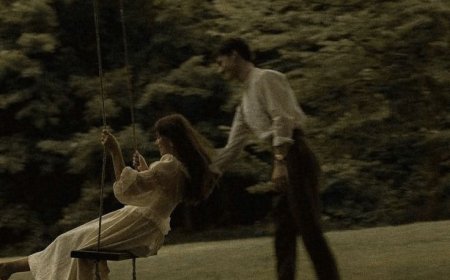
The Love myths I outgrew
The Love Myths I Outgrew: Deconstructing the "Rom-com" Blueprint Why do we mistake instability for intensity? Explore a deep reflection on outgrowing toxic romantic myths from the "other half" fallacy to the "roller coaster" trope and discovering that real love is a calm, deliberate choice
 Zele
Zele

In the past year, I have gone through one of the most reflective moments of my life, a period where I deeply questioned what love is truly supposed to be. I found myself slowing down to scrutinize the very anatomy of love—questioning not just how it feels in the moment, but why I had always expected it to look a certain way.
I realized I was living by a set of unwritten rules I had subconsciously inherited from movies, books, and the flawed examples of those who came before me. They provided a distorted blueprint that I followed without question.
I have come to realize that my beliefs about love were never actually mine; they were a set of external definitions that were passed down and fixated upon by me until they felt like truth. These inherited scripts were romanticized and exaggerated, acting as an enabling force for toxic behaviors and they are fiercely damaging. By holding to these myths, I was sacrificing my own peace for a version of love that was never designed to be healthy.
Here are some of the myths,
- "The one who truly loves you will stay regardless of anything."
Quite frankly, whoever coined that phrase was a crude manipulator who simply didn’t want to be held accountable for their wrongdoings. On the surface, it sounds romantic, loyal, and almost heroic but in reality, it is a deeply flawed statement. I no longer believe that love alone should be a reason to stay in the face of disrespect, emotional immaturity, or fundamental misalignment. This myth glorifies suffering, using endurance as a yardstick for how "true" a love is supposed to be. But love shouldn't be a trade-off for self-respect, nor should it require the total absence of boundaries. I believe that you change for the people you cherish; you strive to become better because of them. Love is not a permission slip for stagnation or mistreatment. It is a commitment to growth that should never come at the cost of your own soul
- Love is a roller coaster
For a long time, I was skittish when things got quiet. I lived in a state of hyper-vigilance, constantly waiting for a secret drama or a lurking conflict to creep up on me. When peace finally arrived, I didn't recognize it as a gift; I saw it as a void. I felt that if my partner wasn't triggered and I wasn't anxious, then perhaps they simply didn't care enough to have an issue. I found the stillness unsettling, even "too boring."
And in my mind, boredom meant something was missing.
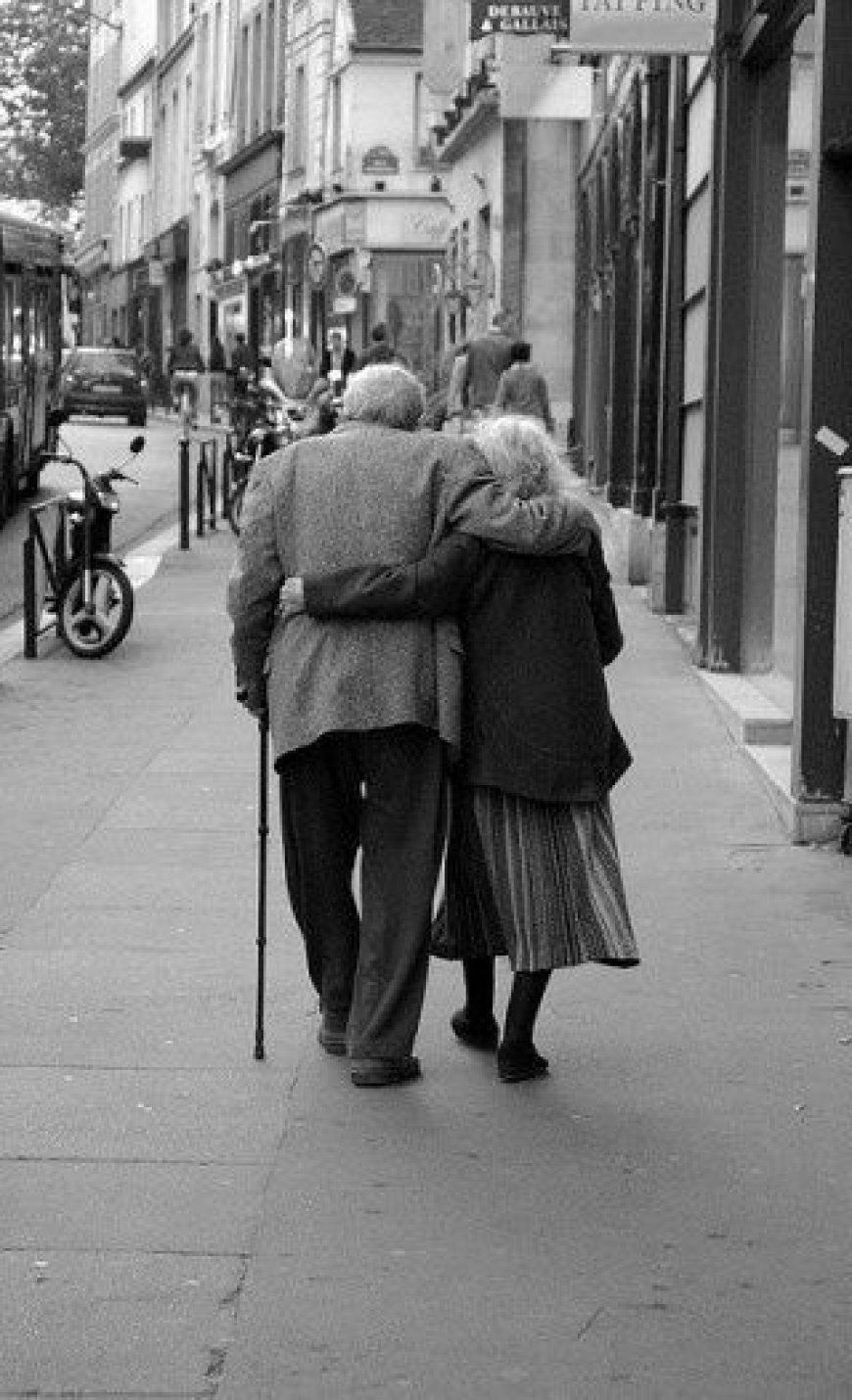
I mistook instability for intensity. I now understand that love is supposed to be a place of rest, not a site of constant adrenaline. Peace is the foundation of a perfect relationship, it doesn't always have to be loud to be intense, and it doesn't need to be a roller coaster to be thrilling.
- The myth of the other half
The other half, this riles me up to my core. My teenage self wrote poems and fantasized on finding the missing half who is supposed to complete me? I'm a little less angry with it being a missing piece, but a whole half of me in the world waiting for me to find him is outrightly outrageous.
This myth traps us in a cycle of searching for “the one” who will just click with us. It tells us that our flaws must be fixed, our wounds healed, by someone else. But they cannot. They are not saviors. They are not Jesus. Why does loving have to be us placing burdens on the people we want to spend the rest of our lives with?
This phrase diminishes who we are, fragments our sense of self, and undermines the wholeness we carry within us. Love is supposed to be between two whole individuals who consistently feel themselves up and not broken, fragmented pieces trying to use Kintsugi to beautify themselves.
- Love doesn't require effort
We are sold the idea that love is a destination you arrive at, rather than a structure you build. But countering this logic is as easy as ABC: you cannot become a doctor without years of gruelling work and dedication, nor can you master a craft without showing up through the difficult hours.
So why do we believe love works differently? Why do we believe that loving a person should be easy?
I have come to realize that the "meant to be" script is often just a way to avoid the weight of responsibility. In reality, love is not a passive state; it is a rigorous practice, intentional communication and constant work. Love holds you accountable, it is hard and demanding and its beauty lies in the work required to keep it alive.
Conclusion
Deconstructing these myths has not been easy. It has put me in a really uncomfortable position.It has made me question and find my voice in a world where it is far too easy to take on someone else’s thoughts as your own—a world where fairy tales are sold in designer bags and loud, performative gestures.I’ve learned that real love is deliberate. It is calm.
It is a choice that must be nurtured, groomed, and protected. It requires a lot, and while it is beautiful, it can be demanding and even destructive if not handled with truth. It is time we leave these myths and illusions behind to find the truths that are standing in plain sight.
Let us stop reading from a borrowed script. Let us finally hold the pen to our own love stories.