
The reality of a Nigerian graduate
The Shock of Graduation: Why Nigerian Degrees Aren't Enough for the Job Market. Exploring the harsh transition from university to the Nigerian workforce. This article delves into the gap between theoretical education and market demand, the hidden "Black Tax," and why resilience shouldn't have to replace structural change in the education system.
 Zele
Zele
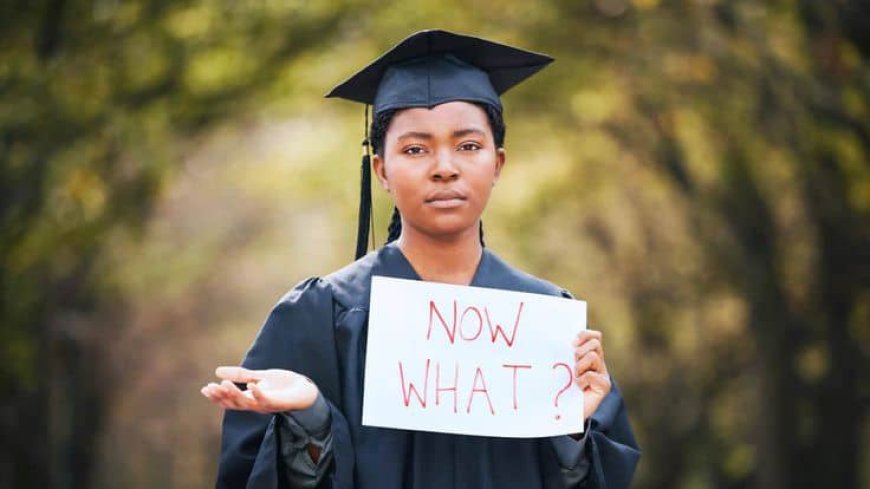

In my fifth year of university, most of my friends who had graduated the previous year went on and on about how hard it is to be a recent graduate. At the time, I didn't understand; I thought they were exaggerating. The reality slowly dawned on me during my last semester. The questions kept coming, and I proactively pushed them aside, telling myself,
"Right now, I just want to graduate."
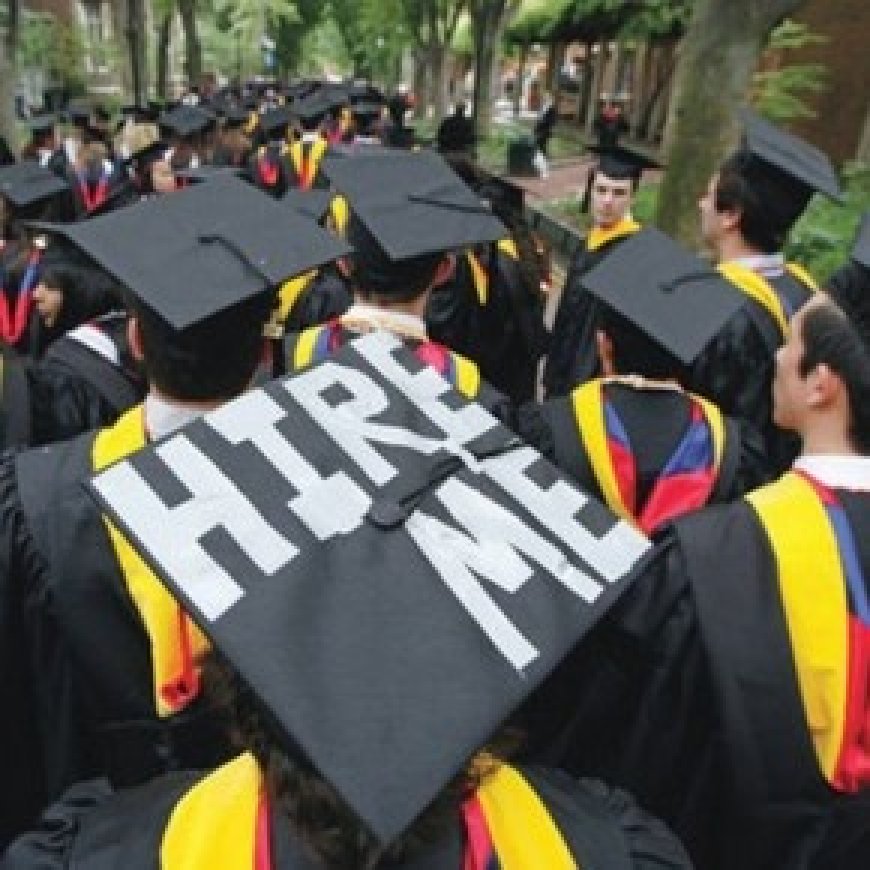
Now that I am done, I am consistently receiving the shock of my life. While the options may seem endless, the job market is saturated with unemployed and underpaid graduates, a number that constantly increases every year.
The system failed us from the beginning, and we are still not fully equipped for the job market. We were handed a degree, but present recruitment criteria require professional certifications to back it up–information I didn't have until after I graduated. This is exactly where the system begins to fail us.
The Nigerian education system prioritizes theoretical material over practical application. There is a heavy emphasis on memorizing theories and very little experience with real-world tools and software. We are told to learn laws and definitions to solve problems, and we are examined strictly on these materials. While there is no real-life application of what is expected from our degrees, the practicals we do perform are often outdated or poorly planned, leading to their complete dismissal. We keep learning the "what" of thirty years ago, while the world is asking us for the "how" of now.
The curriculums are old, and most courses have not changed in years. Consequently, they lack the skill sets that today’s market requires. Being thrust into the real world without preparation means sending out CVs and portfolios, only to meet the silence of ghosting or the sting of rejection or rejections. Many seek underpaid roles just for survival, hoping the fear of being stuck in a loop doesn't become a reality.
There is a gnawing realization that graduation does not equal job readiness. We struggle to understand the tools we should have already learned and the certifications we didn't know were required. There was little to no awareness about the accessibility of free courses and training. Now, we are expected to scrape together money for these courses when we are barely able to fend for ourselves. “ How do we afford a certificate without a job and get a job without the certificate? How is it possible to build a career while in survival mode? ”
What makes this situation even more frustrating is that much of it could have been avoided. It's frustrating because so much of this 'shock' could have been avoided. Imagine if we weren’t left in the dark until the final hour. If we had been exposed to career realities as early as our first or second year–through actual internships, proper guidance, and certifications that actually matter in a workplace. Graduation wouldn’t feel like being thrown into the middle of the Atlantic without a life jacket.
We needed more than just classrooms; we needed bridges. We needed mentors and alumni to pull back the curtain and show us what was coming, giving us direction and clarity long before we stepped out into the world with nothing but a piece of paper and a head full of unanswered questions.
One thing we commend Nigerians for is our ability to adapt. This habit becomes a skill in a system where we must unlearn, relearn, and teach ourselves skills that should have been introduced in school. We take on online classes, internships, and volunteer roles often without pay or clear direction. It doesn’t encourage passion; it only encourages survival tactics.
We are brilliant and capable, but we are spending our best years trying to fix the foundation that the education system left broken. This journey is mentally and financially draining. It is the weight of "Black Tax" hovering in the distance, the pressure of seeing peers on social media who seem to have "made it," and the internal battle against the feeling of failure. We are just young people trying to beat a system that does not work in our favor, trying to make a name for ourselves in a system that leaves us to figure things out alone.
Looking back, I finally understand what my friends meant. It wasn’t just about finding a job; it was about how unprepared we were for the real world. Graduation was just the start of a new journey where the degrees gained through theory weren't enough. There is so much more to learn, and the uncertainty brings a deep feeling of being lost and confused.
Still, we push forward. We learn and adapt regardless of the challenges. Resilience may keep us grounded, but it shouldn’t replace structural change. Until this issue is approached practically, graduates will continue to receive the shock of their lives.