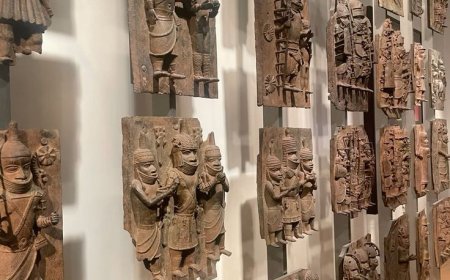
The roar of 25,000: The Aba Women's Riot of 1929
Discover the history of the Aba Women's Riot of 1929, where 25,000 women rose against colonial oppression. Explore how this pivotal moment in Nigerian history reframes modern feminism as a necessary, strategic response to systemic suppression.
 Zele
Zele
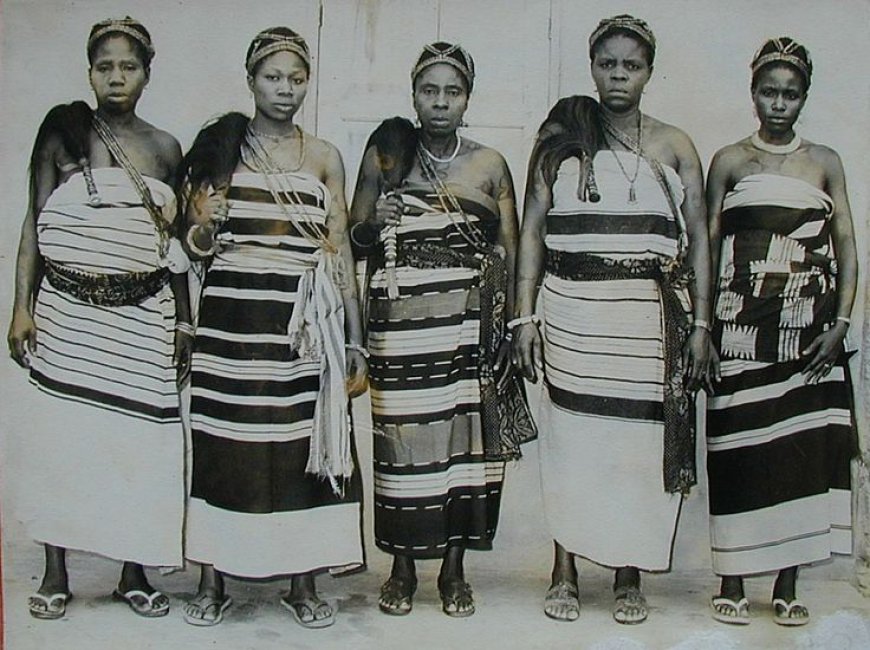
Women have been changing the narrative since the 1900s. Even today, when people hear the word "feminist," they often cringe and wonder why these women are supposedly so angry.
Critics tend to paint feminists as "difficult," wiondering why they cannot simply stop talking or fighting on the internet for one cause or another. From this perspective, such criticism is almost like having selective amnesia. These critics forget that the movement started because women were tired of keeping quiet about systemic issues for far too long.
To back up my statement, I look to Isaac Newton’s Third Law: "For every action, there is an equal and opposite reaction." The "angry" feminist movement is a direct reaction to centuries of suppression. When a spring is pushed down for too long, it eventually recoils with force. That force isn’t "random anger"–it is the energy required to break free from the weight of being belittled.
People often forget that most of the privileges women enjoy today were fought for by those who decided not to let the system trample on their rights anymore. These were women who stood up and encouraged others to fight against a system that undervalued them. Before we go further, let me reiterate what feminism truly is: it is the belief that women should be allowed the same rights, power, and opportunities as men, and be treated with the same dignity. It is about respecting diverse experiences, identities, and strengths, while striving to empower all women to realize their full potential. Feminism is about standing up for yourself in a world that often downplays women’s contributions; it is about women organizing to defend their economic, political, and social rights. The perfect example that illustrates this for me is the Aba Women's Riot of 1929.
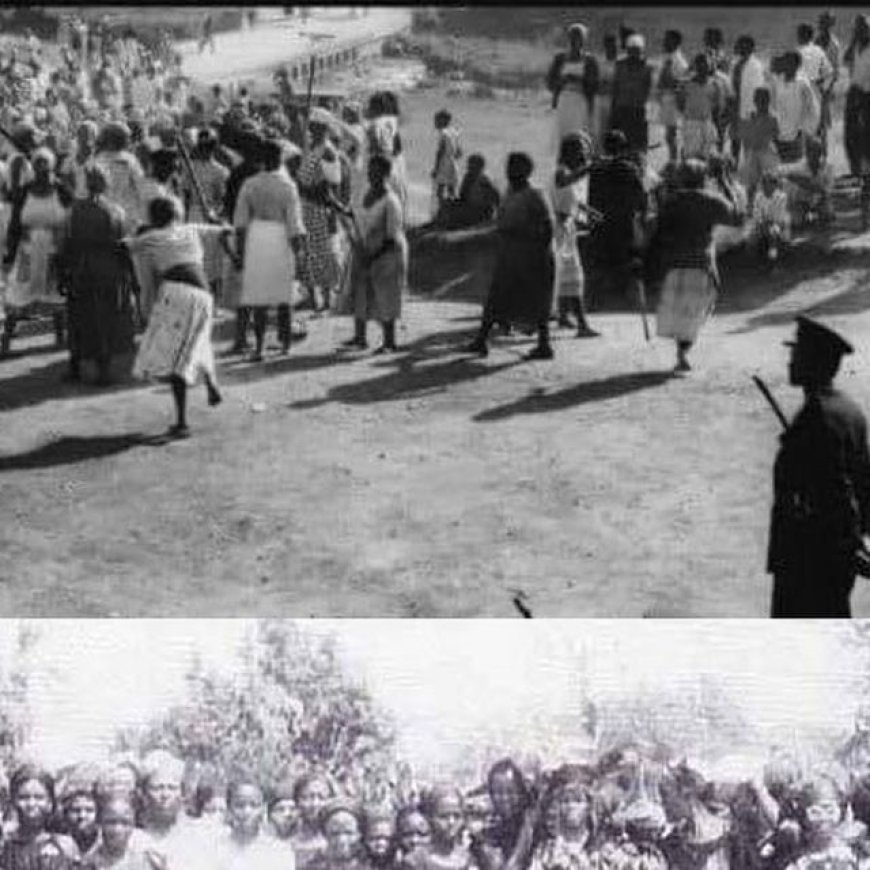
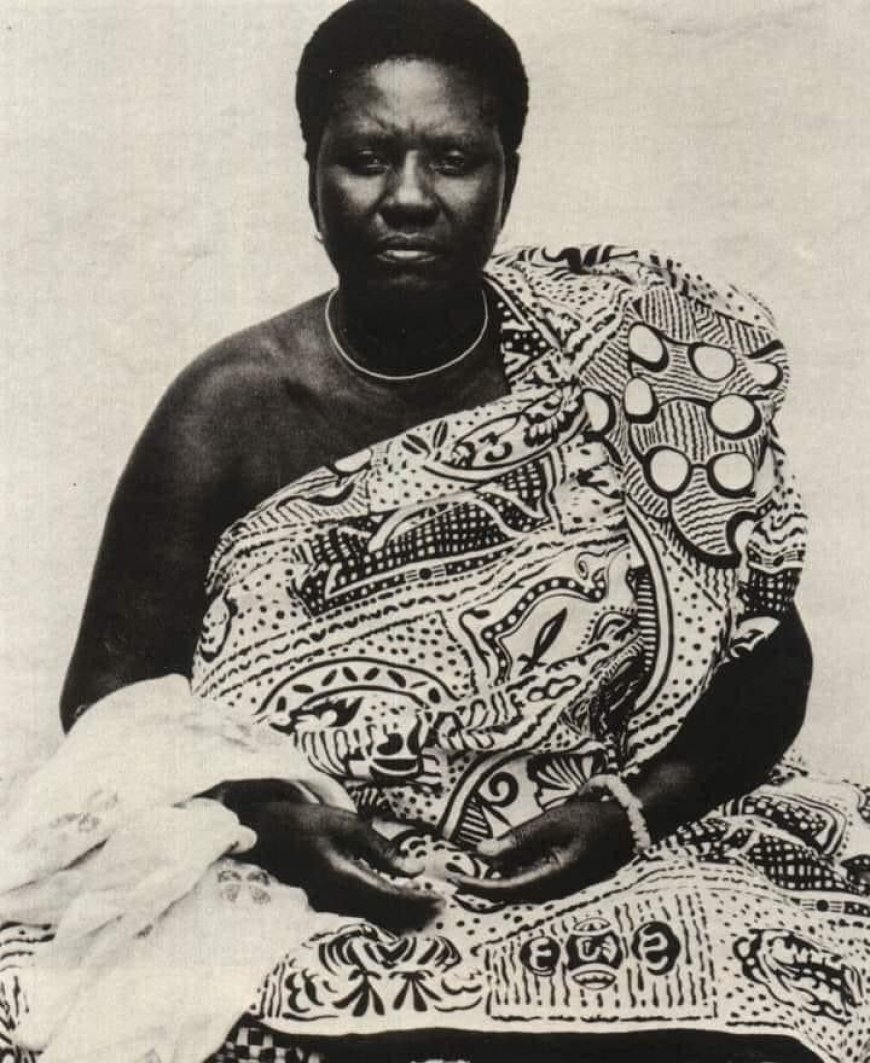
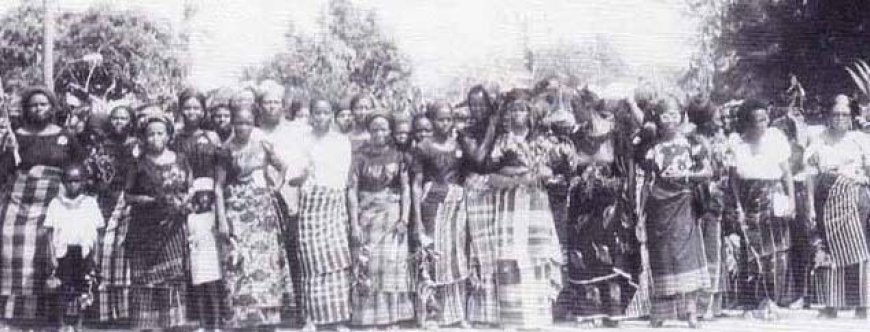
The riot started in November 1929 to January 1930, in the time when colonialism was deeply rooted in Nigeria. The uprising didn't just happen in one day. It was the repulsion on a spring that was already stretched out. The Aba women consisted of women from six ethnic groups, the Igbos, Andoni, Ogoni, Bonny, Opobo, and Ibibios, of southeastern Nigeria. Because of a reduction in the price of palm oil and palm kernel, the traders could barely keep up with their finances and support their families. The British consistently demanded wage labor, and increased taxation on the local population. They were trade restrictions and heavy levies and fees on the women. These demands gave rise to the frustration and hostility amongst women groups. A woman, Nwanyereuwa, affected by it, by all these changes, got fed up and took an action that shook colonial power. She utilized the market women in confronting the corrupt warrant chiefs, the local men appointed by the British who had long abused their power.
Under the guidance of Nwanyereuwa alongside over 25,000 women. They strategized a traditional, yet effective tactical mechanism known as Sitting on a man– This is a form of public shaming, where women gather at a compound of the wrongdoer to sing, dance, and create a disturbance that would make it impossible for the warrants chiefs to conduct their duties.
To the British colonial administrators, they categorized their tactics as an hysteria because they didn't understand the force of this practice. The women wore palm leaves (Omu) around their necks; a unifying symbol that served as a "call to arms" and a sign of female solidarity. They smeared their faces with ash to symbolize their collective grief and their refusal to be silenced.as a sign of solidarity and attacked government buildings, which tragically led to the loss of 50 courageous women's lives when colonial forces opened fire at Utu Etim Ekpo and Opobo.
The women didn't cower but the movement became bold, unstoppable and non-resistant. The voice that was ignored initially became a roar that had to be heard.
A necessary response to history
This story is a perfect analysis of all the anger critics complain about because of a legacy. These women proved that feminism is not about being 'difficult' for the sake of it, nor is it a passing internet trend. Instead, it is a sophisticated survival tactic; a call to order and a call for systemic change. It is about strategy, courage, and collective action against structures designed to keep women down.
Today we enjoy the privilege of participating in our economy and holding positions of power but we must remember that We are still standing on the shoulders of the thousands of women who refused to sit still and be quiet. As long as there is an action of suppression, there will always be an equal and opposite reaction of women standing up for their rights and dignity.
Feminism is not just a word; it is the necessary response to history