



























INTERVENTION IN NIGERIA’S INSECURITY: Security Necessity, Political Spin, or Something More?
The article explores the complex nature of U.S. military intervention in Nigeria's security crisis, specifically highlighting joint airstrikes in Sokoto State. It argues that while these operations provide necessary, short-term tactical relief against brutal insurgent groups like Boko Haram, ISWAP, and Lakurawa, the narrative is often oversimplified in Washington as a black-and-white religious conflict to score domestic political points. Ultimately, the piece contends that foreign military aid i

Prefer listening? Tap play and the article will be read aloud.
CO-WRITTEN WITH Jérémie Tshibakenga
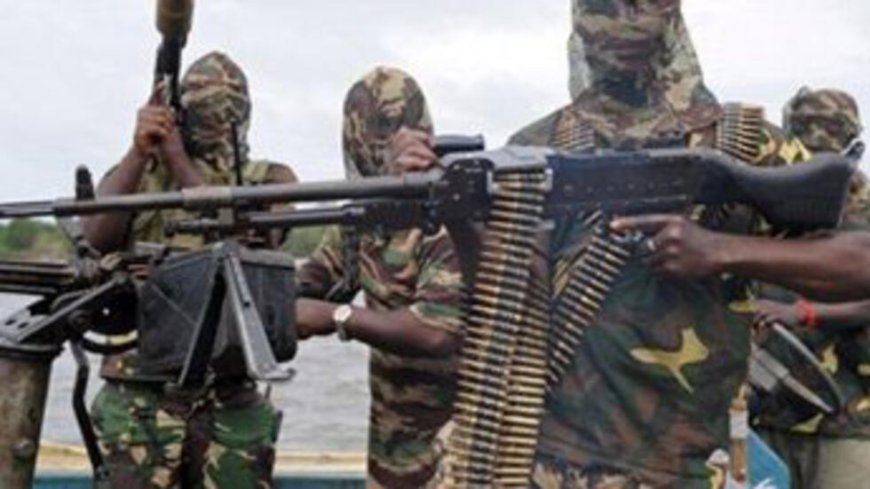
In Nigeria, there is a timeless proverb that cuts straight through the noise of political jargon: na person wey wear shoe dey know where e dey pinch am (translation; The person wearing the shoe knows exactly where it hurts), this truth has been lived by Nigeria for so long. For years, Nigeria’s security challenges have persisted, killing thousands, displacing millions, and straining the resilience of Africa’s most populous nation. From Boko Haram and ISWAP in the northeast to banditry and hybrid groups like Lakurawa in the northwest, the violence is brutal and complex. By the end of 2025, the United States had been more explicit in its actions with coordinated airstrikes in Sokoto State on Christmas Day. Many asked themselves a familiar question: Is the US interest driven by genuine concern for stability and counterterrorism, or is it simply a matter of propaganda and political narratives?
Source: The Guardian
The truth is somewhere in the middle. We are dealing with real, brutal threats on the ground, selective storytelling in Washington, and heavy questions about what works. At the end of the day, true security won't come from foreign headlines or political rhetoric; it will come from fixing the broken realities right here at home.
The Ground Reality
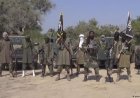
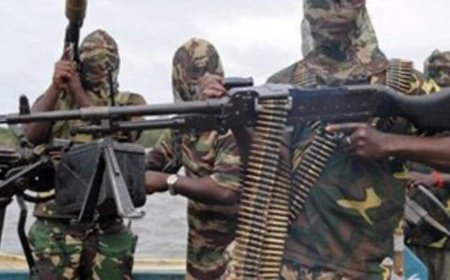
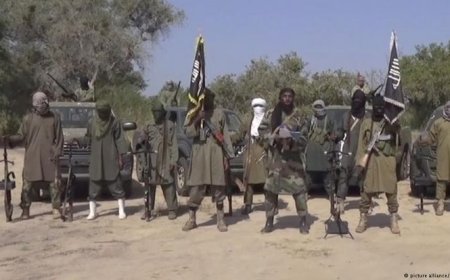
No honest discussion can ignore the scale of Nigeria’s insecurity. Jihadist groups linked to Islamic State continue to attack, kidnap, and terrorize communities. Look at the northwest, Lakurawa, a jihadi-criminal network that has expanded influence, blending ideology with banditry, extortion, and cross-border operations. You need to comprehend that these problems don’t spare anyone; Muslims and Christians alike suffer, as do farmers, herders, traders, and security forces. The US has engaged with Nigeria on these issues for over a decade through training, intelligence sharing, equipment sales, and capacity building.
Cue the airstrikes in Sokoto, this wasn’t just a random foreign operation; if anything, it was a calculated, joint effort between Nigerian and US forces targeting active militant camps. On paper, it was a tactical win that took fighters off the battlefield. For the policymakers and security analysts watching from the outside, this is exactly what a functional, necessary partnership looks like: two nations putting their heads together to neutralize threats before they can spill over and destabilize the rest of West Africa.
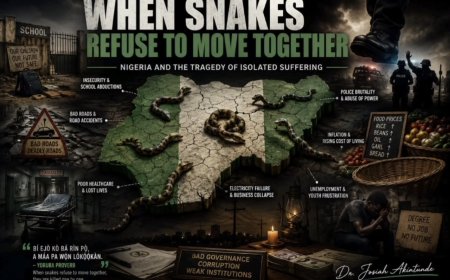
(Map of Nigeria's Insecurity Threats)
Nigeria has welcomed the extra support; however, this is clear: independence is not up for negotiation. The violence happening isn’t a made-up story; it’s very real, and pretending these threats are minor would be completely reckless. When you're up against brutal militant groups hiding out in massive, unguarded borderlands, you can't always fight them alone abi? Having an ally step in with sharp intelligence and precise strikes can completely throw those groups off balance, and in the short term, that keeps everyday people alive.
When Security Becomes Political Theatre
The problem is how these operations get spun, especially in US politics. Washington politicians tend to cherry-pick the facts, framing these airstrikes purely as a rescue mission for persecuted Christians and tapping into heavy narratives like "Christian genocide." Look, the attacks on Christian communities are real and heartbreaking, but that is only one piece of a much messier puzzle. The reality on the ground isn’t just a religious war; it’s driven by criminal bandits, fights over land and resources, failed governance, and deep ethnic tensions. The truth is, many of the victims are Muslim, and Nigerian officials are rightfully frustrated by how oversimplified the story becomes once it hits foreign news.
To be frank, this selective storytelling serves domestic audiences in the US. Critics argue this risks alienating Nigerian Muslims, basically handing a gift to militant propagandists who want to paint any foreign involvement as a holy war. It can also distract from root causes closer to home such as corruption, poverty, weak institutions, and leadership gaps that allow these groups to thrive. Propaganda elements don’t erase the underlying security problems, but they complicate trust and long-term cooperation.
(Ravaged village in Niger State)
I see the danger of this political theater is that it leaves the actual people on the ground out of the script. When we flatten a complex humanitarian crisis into a neat, black-and-white headline for an overseas election campaign, who really wins? Certainly not the families in Nigeria, Christian and Muslim alike, who are simply trying to survive the next night without their lives being disrupted by bandits or systemic neglect.
If we really want safety rather than just to score political points back in the US, the strategy must change. We need to start listening to local community leaders, putting money into grassroots peacebuilding, and addressing the brutal economic realities, like hyperinflation and youth unemployment, that drive these uprisings in the first place.
Looking Ahead: What Sustainable Progress Requires
Targeted strikes can temporarily overtake groups like Lakurawa by wrecking camps and taking out fighters, but guns alone won't fix the underlying crisis. History proves that militants just adapt, scatter, and use foreign intervention as a recruiting tool. The real solution requires pairing tactical military support with local, Nigerian-led strategies that fix the root problems.
This looks like:
• Strengthening governance and anti-corruption efforts.
• Investing in economic opportunities in affected regions.
• Reforming security forces for better community trust and effectiveness.
• Addressing local grievances around land, resources, and justice.
For the US, the trick is to give real help, like intelligence and training, without turning it into a political circus that backfires on the ground. For Nigeria, it means staying in the driver’s seat instead of looking for outside rescues. Ultimately both countries want a safer Nigeria and a stable West Africa.
A Balanced Way Forward
America’s role in Nigeria isn't pure propaganda, but it isn’t flawless charity either. It's a mix of real counter-terrorism teamwork and political spin that oversimplifies a brutal crisis. There are no easy sides or quick fixes here. Nigerians, who live with these threats every day, deserve a strategy that actually respects their leadership and tackles the messy, full reality on the ground, from criminal bandits and jihadists to failed governance. True success shouldn't be about scoring political points; it has to be measured by fewer attacks, fewer displaced families, and safer communities for ordinary people.
What's Your Reaction?
 Like
0
Like
0
 Dislike
0
Dislike
0
 Love
0
Love
0
 Funny
0
Funny
0
 Angry
0
Angry
0
 Sad
0
Sad
0
 Wow
0
Wow
0