




















































Could Africa Ever Have One Currency?
A single African currency could transform trade and economic integration, but significant political, financial, and institutional hurdles remain.
Prefer listening? Tap play and the article will be read aloud.
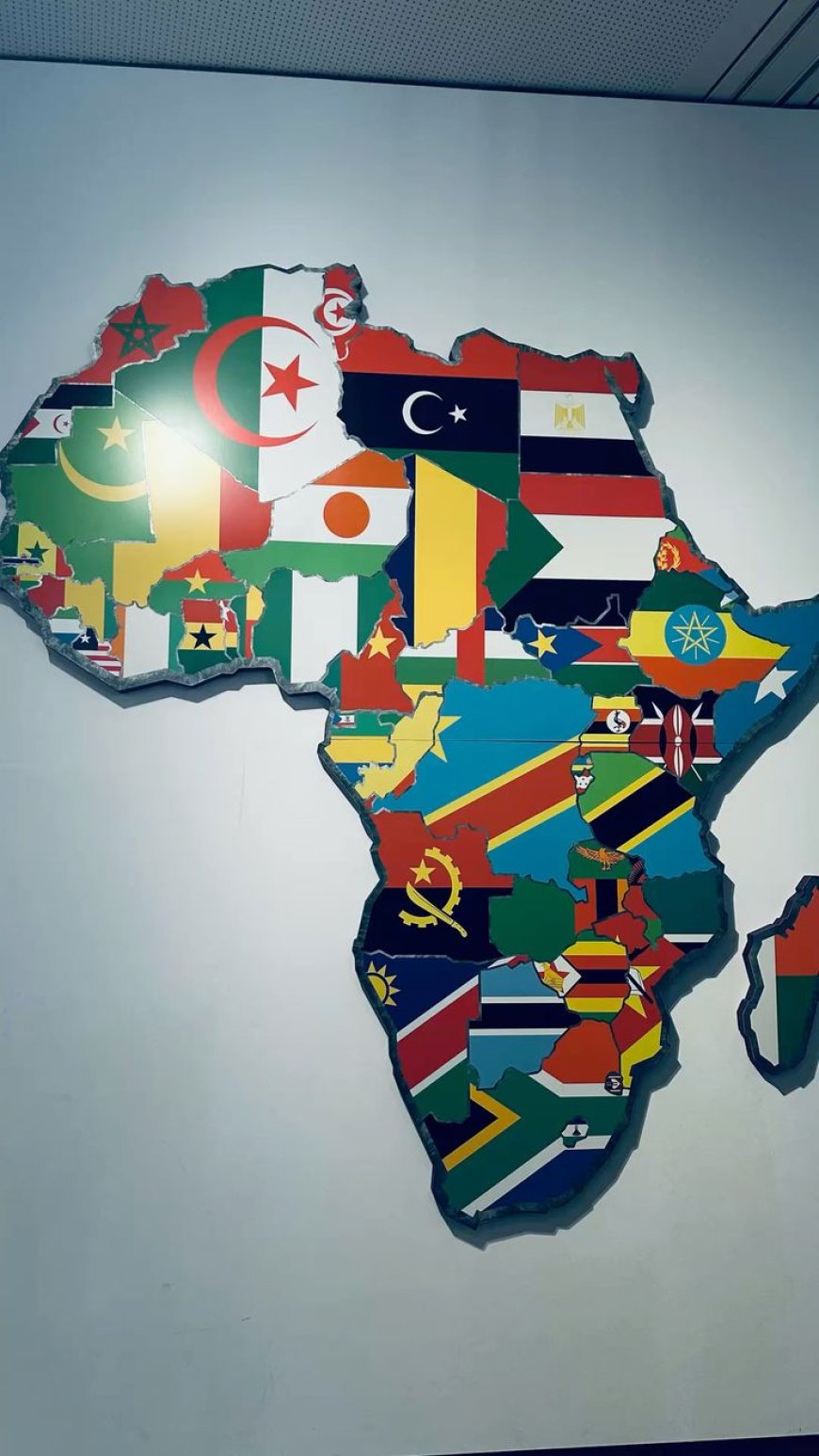
Imagine boarding a flight from Lagos to Nairobi, then connecting to Cairo before ending up in Johannesburg. Along the way, you wouldn't need to exchange naira for shillings, pounds, francs, or rand. One currency would work across the continent.

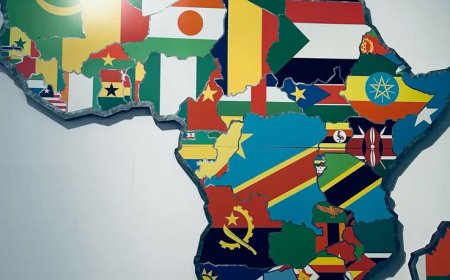
It's an idea that has fascinated African leaders, economists, and policymakers for decades. The African Union has long envisioned a continent with deeper economic integration, including the eventual creation of a single currency managed by a continental central bank. Yet in 2026, Africa remains home to more than 50 national currencies, each reflecting the unique economic realities of its country.
The question is no longer whether a single African currency sounds attractive. The real question is whether Africa can realistically achieve it.
Africa Is Not the First to Dream Big
When people talk about a common currency, Europe is usually the first example that comes to mind.
The euro did not appear overnight. European countries spent decades building economic and political institutions before introducing it. The journey began with efforts to coordinate exchange rates in the 1970s, followed by the European Monetary System in 1979. The Maastricht Treaty of 1991 established strict economic conditions for membership, and after nearly a decade of preparation, the euro was launched electronically in 1999. Physical notes and coins entered circulation in 2002. Today, more than 350 million Europeans use the currency. (European Union)

Europe's experience offers an important lesson: a shared currency is usually the final stage of integration, not the first.
Other Continents Have Tried Different Models
Europe remains the largest and most successful example of a multinational currency union, but it is not the only one.
In Africa itself, the CFA franc has been used for decades across countries in West and Central Africa. However, it is not a true continent-wide currency. In reality, it consists of two separate monetary unions that share a name and maintain close links to the euro. (African Global Network)

The Caribbean offers another example through the Eastern Caribbean Currency Union, where several small island nations share the Eastern Caribbean dollar. Unlike Europe, these countries are relatively small and economically interconnected, making coordination easier.

The common thread across successful currency unions is that participating countries usually share similar economic conditions, maintain strong institutions, and agree on strict rules governing public spending and monetary policy.
Why Africa Wants a Single Currency
The arguments in favour of a single African currency are compelling, they include the following:
Easier Trade
One of the biggest obstacles to intra-African trade is the complexity of moving between different currencies. Businesses often convert local currencies into dollars or euros before trading with neighbouring African countries. A common currency would reduce transaction costs and simplify cross-border commerce. (African Business)

Less Dependence on Foreign Currencies
Many African trade deals are still conducted in US dollars. A continental currency could strengthen Africa's financial independence and reduce exposure to fluctuations in external currencies. (African Business)

Greater Economic Integration
Supporters argue that a shared currency would encourage investment, improve price transparency, and strengthen economic ties among African countries, much like the euro did for much of Europe. (European Union)
A Stronger Continental Identity
Beyond economics, there is also symbolism. A common currency would represent a more unified Africa and reinforce the broader goals of continental integration.
The Challenges Are Enormous
This is where the conversation becomes more complicated.
Africa's Economies Are Vastly Different
Germany and France may have economic differences, but compare Nigeria, Seychelles, South Sudan, Botswana, Egypt, and Mauritius, and the gaps become much wider.
Some countries depend heavily on oil exports. Others rely on tourism, agriculture, mining, manufacturing, or services. Economic shocks affect each country differently. A single monetary policy may not work equally well for all of them. (ScienceDirect)

Inflation Remains Uneven
A successful currency union requires countries to maintain similar inflation rates, debt levels, and fiscal discipline. Europe established strict convergence criteria before adopting the euro. Even today, aspiring members must meet specific economic benchmarks. (Reuters)
Many African economies continue to experience significantly different inflation and debt conditions, making convergence difficult.
Loss of Monetary Independence
Countries with their own currencies can adjust interest rates or allow exchange rates to move in response to economic challenges.
With a shared currency, those tools disappear.
This became one of the major criticisms of the euro during the European debt crisis. Countries facing economic distress could not simply devalue their currencies to restore competitiveness. Instead, they had to rely on broader regional support mechanisms. (Reuters)
Political Coordination
A currency union is ultimately a political project as much as an economic one.
European integration succeeded partly because governments were willing to surrender some national control for collective benefits. Africa's political systems, governance structures, and national priorities vary widely, making continent-wide coordination far more difficult.
The ECO: Africa's Test Case
The proposed ECO currency in West Africa may offer a glimpse into what a future African currency could look like.

ECOWAS has spent decades discussing the introduction of a common currency among its member states. Several launch dates have come and gone due to challenges involving inflation targets, fiscal deficits, and economic convergence. Recent discussions continue, but implementation has repeatedly been delayed. (Modern Diplomacy)
The ECO project highlights an important reality: if creating a single currency among 15 West African countries has proven difficult, creating one across the entire continent would be exponentially more challenging.
So, Can Africa Ever Be Ready?
The answer is yes—but probably not in the way many people imagine.
A continent-wide currency is unlikely to emerge suddenly. If it happens, it will probably come through stages.

First, regional blocs such as ECOWAS, the East African Community, and the Southern African Development Community would need stronger economic integration. Regional monetary unions may become testing grounds before any continental system becomes feasible. (Wikipedia)
Second, countries would need greater convergence in inflation, fiscal discipline, banking regulations, and economic governance.
Third, institutions capable of managing a shared currency would need to earn trust across the continent.
In many ways, the African Continental Free Trade Area (AfCFTA) may be a more important step right now than a single currency. Trade integration often comes before monetary integration.
Final Thoughts
The dream of a single African currency is ambitious, and ambition is not a bad thing. Europe showed that a common currency can become reality when countries are willing to spend decades building the institutions and economic foundations required to support it. (European Union)
But Africa's challenge is arguably greater. The continent is larger, more diverse, and economically more varied than Europe was when it began its monetary journey.
Could Africa achieve one currency someday? Yes.
Will it happen soon? Probably not.
The more realistic path is gradual integration, stronger regional unions, and deeper trade connections. If those foundations are built successfully, a single African currency may one day become less of a political dream and more of an economic reality.
What's Your Reaction?
 Like
0
Like
0
 Dislike
0
Dislike
0
 Love
0
Love
0
 Funny
0
Funny
0
 Angry
0
Angry
0
 Sad
0
Sad
0
 Wow
0
Wow
0