




























My Experience as an Intern at The Wayout Media Network
I came, saw and did my best.
Prefer listening? Tap play and the article will be read aloud.
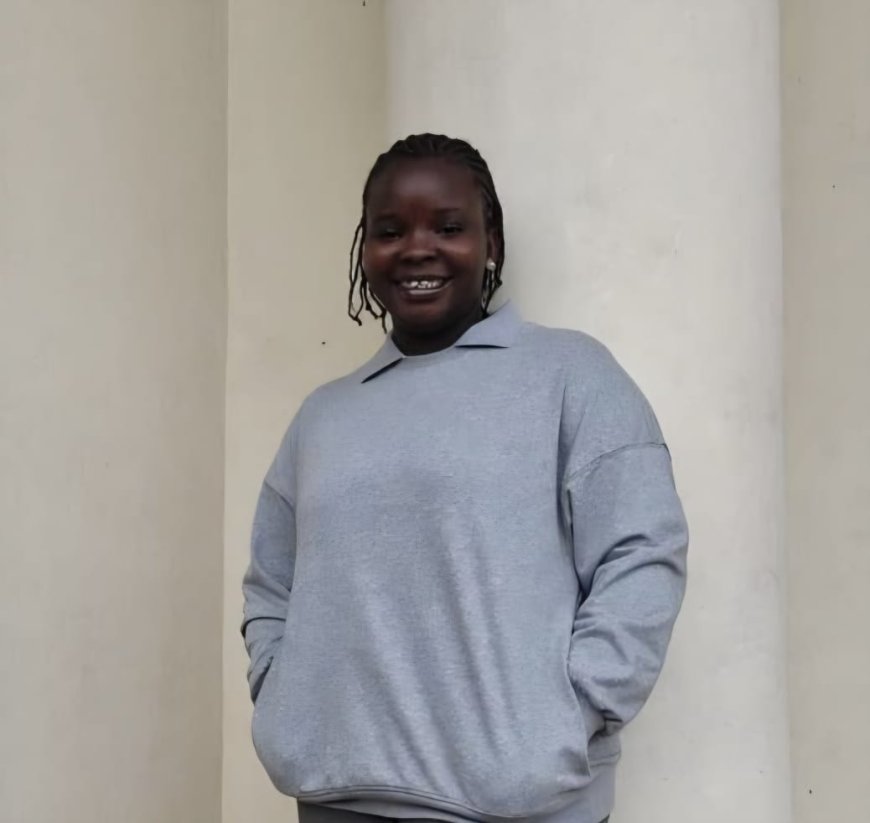
I did not fully understand what I was walking into when I joined The Wayout Media Network as an intern. I knew I wanted to write. I knew I needed the practice. What I did not know was that this internship would arrive at exactly the right time, when the gap between wanting to write well and actually writing well had started to feel uncomfortably wide. I first got to know about the internship through a friend. At the time, I was eager to gain more experience in media and writing, but I did not fully understand how much this opportunity would shape my understanding. I had other things I was doing but I did not want to miss out on the opportunity.
From the very beginning, I was not eased in gently. The work came, and it came across territory I had not always explored before. I wrote about religion and conflict, tracing the thread of faith as a political weapon through Nigeria's most defining crises, from Biafra to Boko Haram.
https://twomn.net/from-biafra-to-boko-haram-how-religion-has-always-been-nigerias-biggest-weapon-29
That piece alone demanded a kind of discipline I was not sure I had yet. Religion in Nigeria is not a subject you can approach casually. It sits at the intersection of history, politics, ethnicity, and grief, and writing about it responsibly meant doing the research thoroughly, holding the complexity carefully, and resisting the urge to simplify something that has never been simple. I learned in the process of writing that piece that good journalism is not about having all the answers. It is about asking the right questions and being honest about what the answers reveal.
I wrote about fitness culture among everyday Nigerians who are building strength without gym memberships and without the luxury of time. That story taught me to look for the human detail inside what could easily have become a generic wellness article. The Nigerians working out in their compounds before dawn, improvising equipment, finding community in open spaces, those were the real story, and finding them required me to think beyond the surface of the topic and ask what was actually happening underneath it.
https://twomn.net/sweating-without-the-subscription-how-everyday-nigerians-are-redefining-fitness
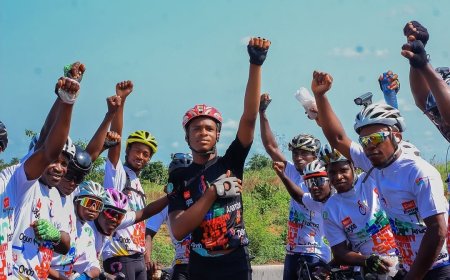
I told the story of a sixteen-year-old autistic boy who got on a bicycle and rode his way into history, quietly dismantling every assumption people make about what is possible and who gets to do it. That story stayed with me long after I submitted it. Writing about a young person's achievement in a way that honors him without reducing him to his diagnosis, without making his condition the headline rather than his humanity, is a line that is easy to cross without realizing it. I had to be deliberate. I had to keep asking myself whose story this actually was and whether the way I was telling it served him or just served a narrative. That kind of ethical thinking is something I did not walk in with.
https://twomn.net/impossibility-is-a-myth-how-a-16-year-old-autistic-nigerian-cycled-into-history
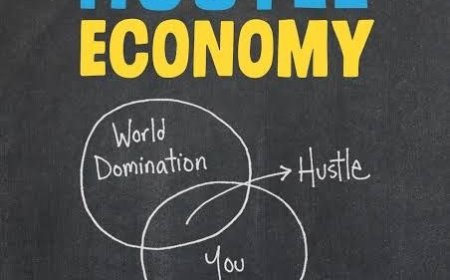
I also wrote about the Nigerian hustle economy, about the young entrepreneurs navigating a system that was not designed to support them, celebrating their wins while being honest about the structural walls they keep running into. That piece taught me something important: that good journalism does not flatten complexity to make a story more comfortable. It is tempting, especially in a piece about ambition and resilience, to lean into the inspiration and leave the harder parts vague. I chose not to. The most useful thing a writer can do is stay in the tension and report from there, honestly, even when honesty is inconvenient for the narrative you thought you were going to tell.
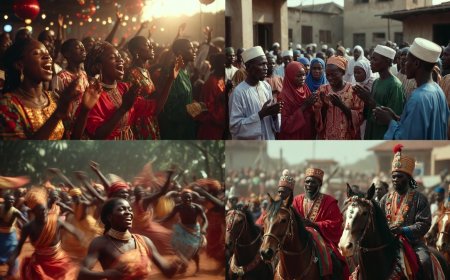
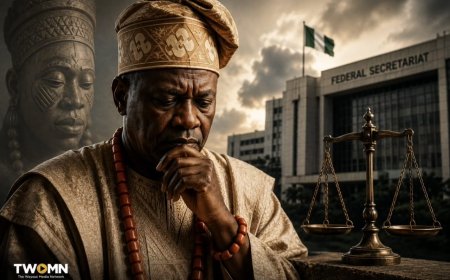
The story I am perhaps most proud of is the one about Funmilayo Ransome-Kuti. Writing about a woman who organized market women, defied colonial authority, and forced a king into exile, and doing it in a way that felt alive rather than textbook, pushed me to think carefully about voice, about pacing, about how history should be told so that people actually feel it rather than simply file it away. History writing carries a particular responsibility. The people in those stories were real. Their sacrifices were real. The least a writer can do is make sure the reader finishes the piece understanding not just what happened but why it mattered and why it still does.
I also wrote about the public rift between Funke Akindele and Toyin Abraham, which was a different kind of challenge entirely.
Entertainment journalism requires precision too, a different kind than political or historical writing, but precision nonetheless. Getting the tone right, staying fair to both sides, and still making it a compelling read that people actually want to finish was its own exercise in craft. It reminded me that no genre of writing is easy when you are doing it properly. Every story, regardless of subject, deserves the same level of care.
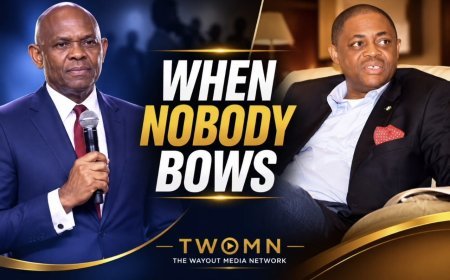
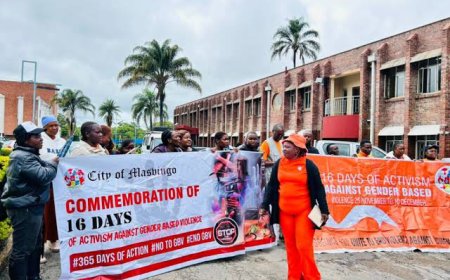
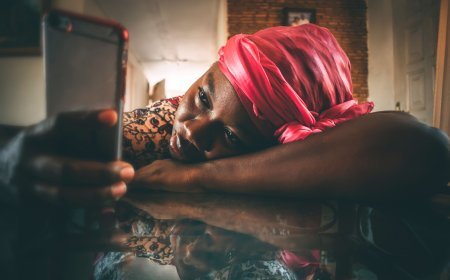
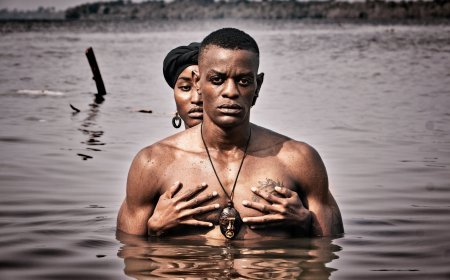
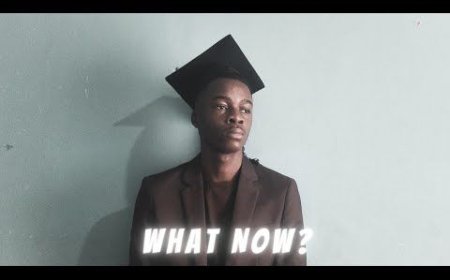
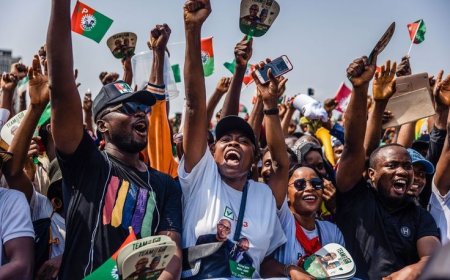
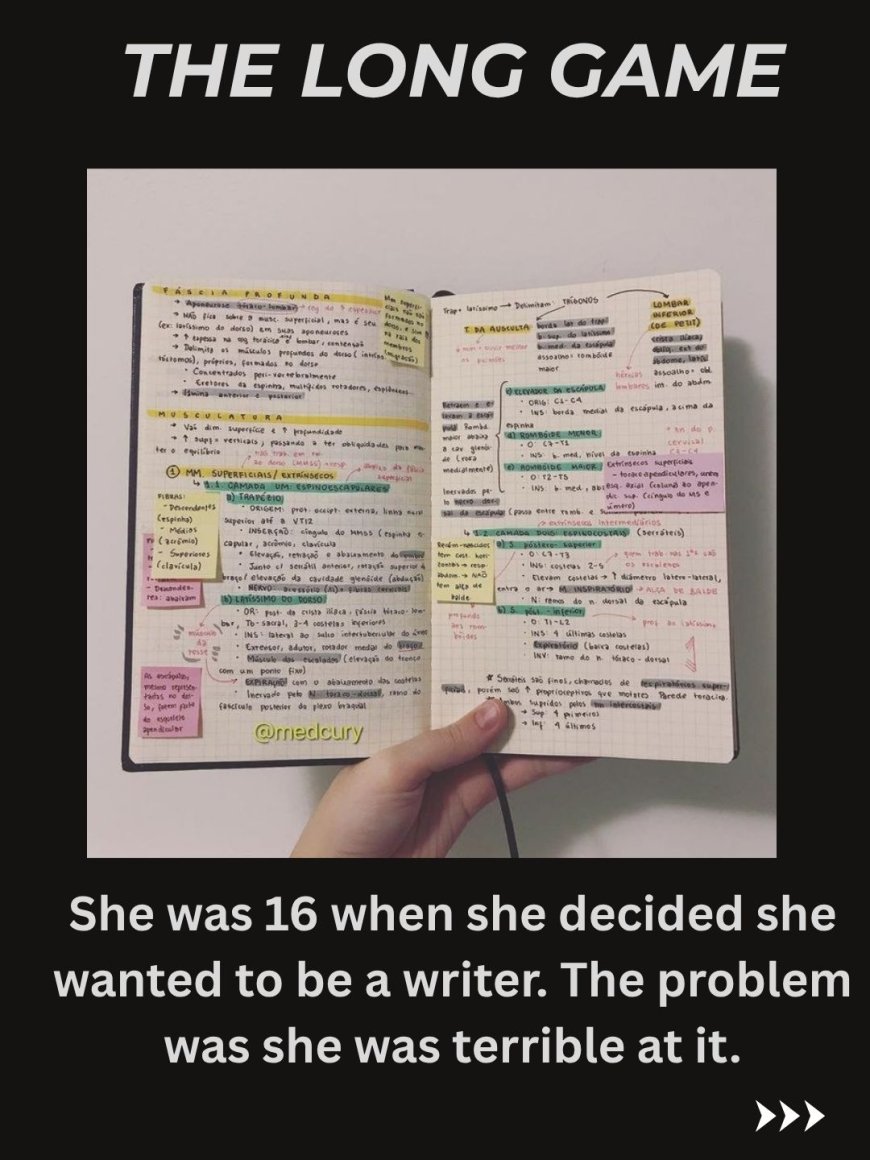
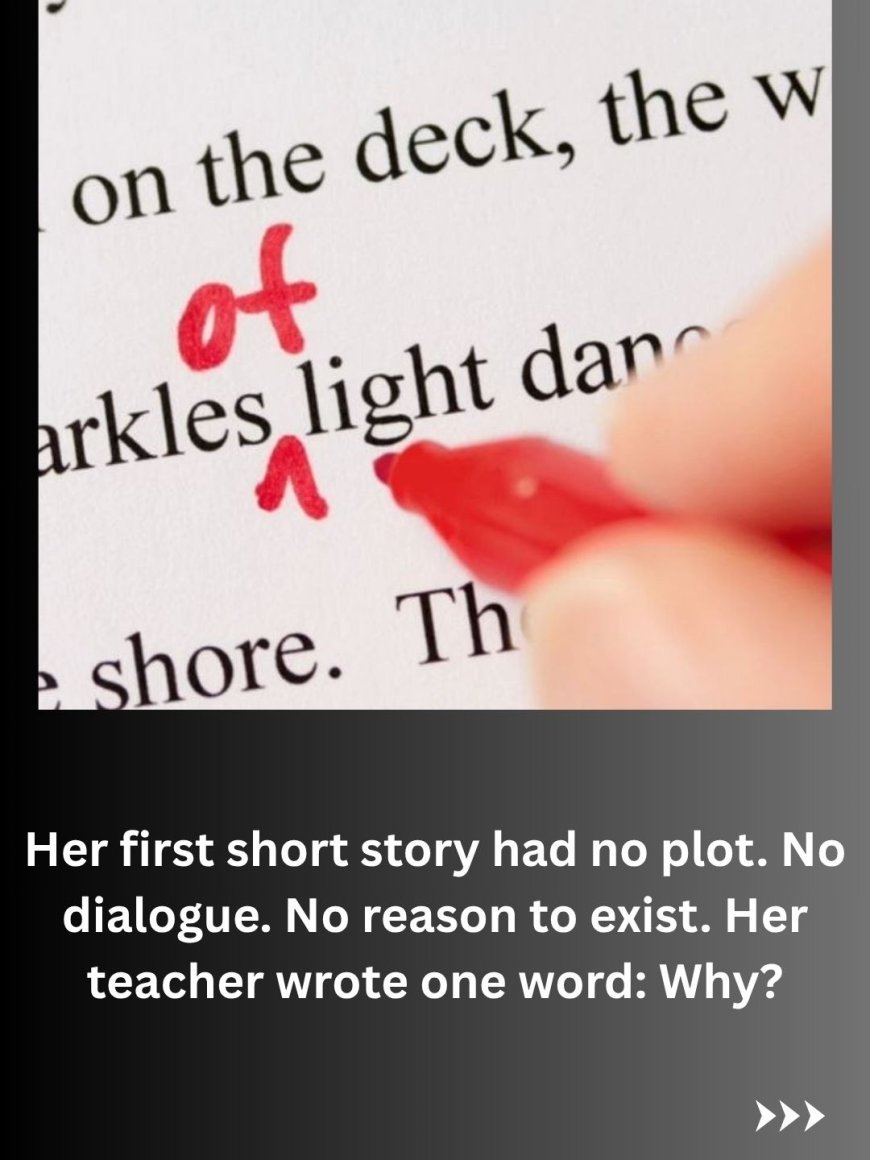
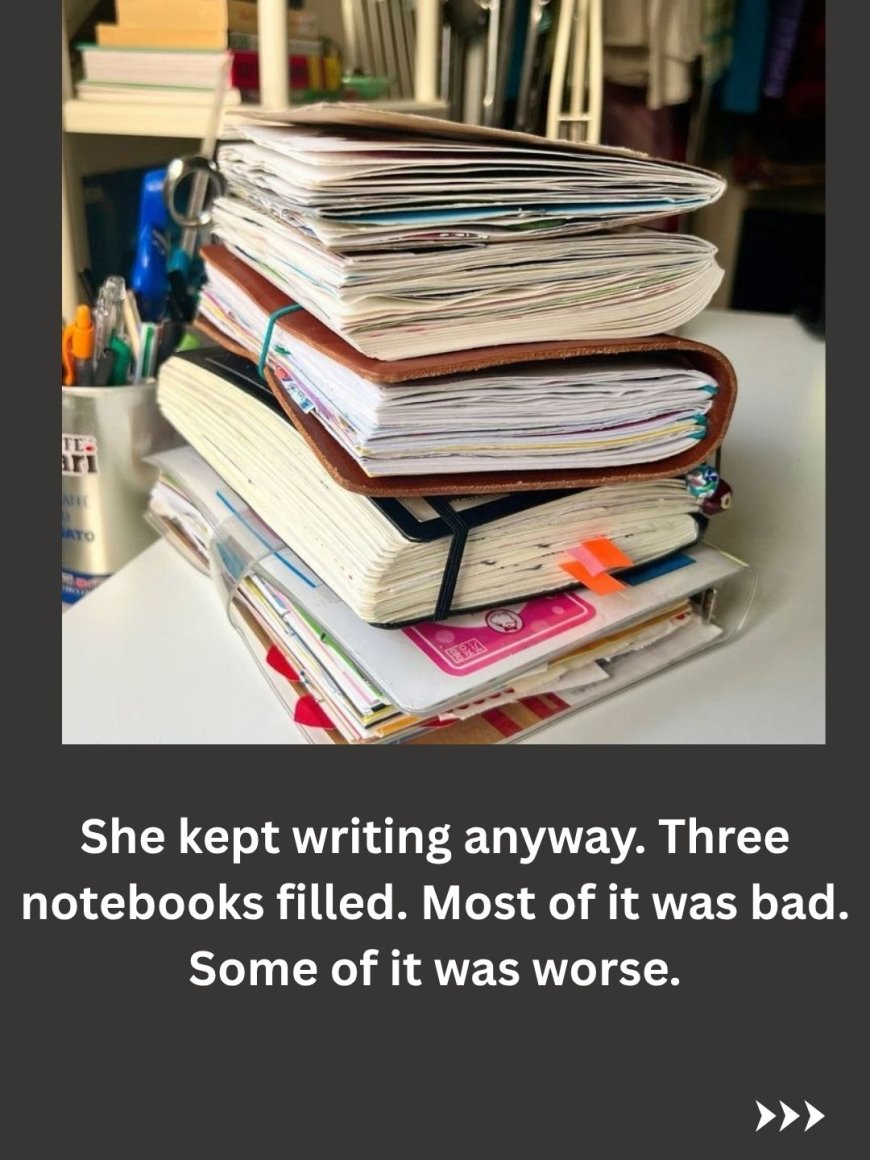
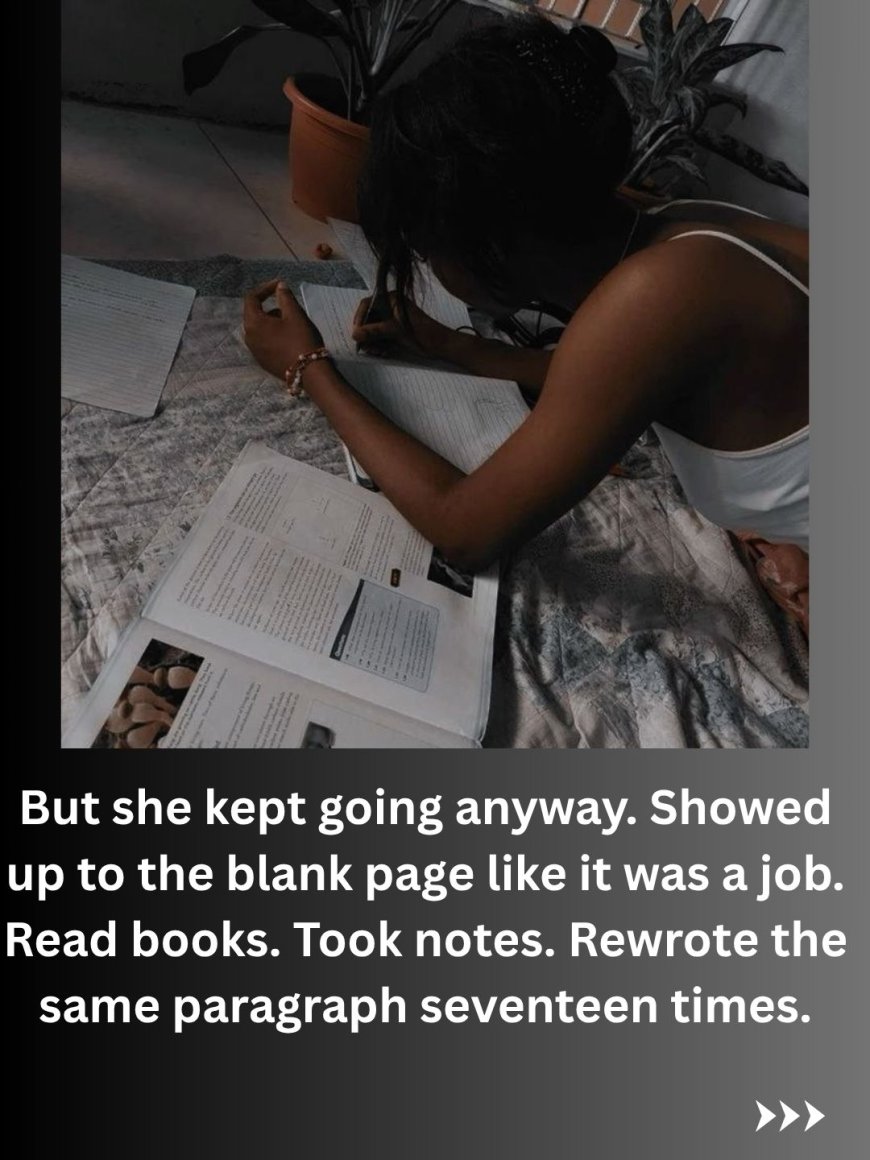
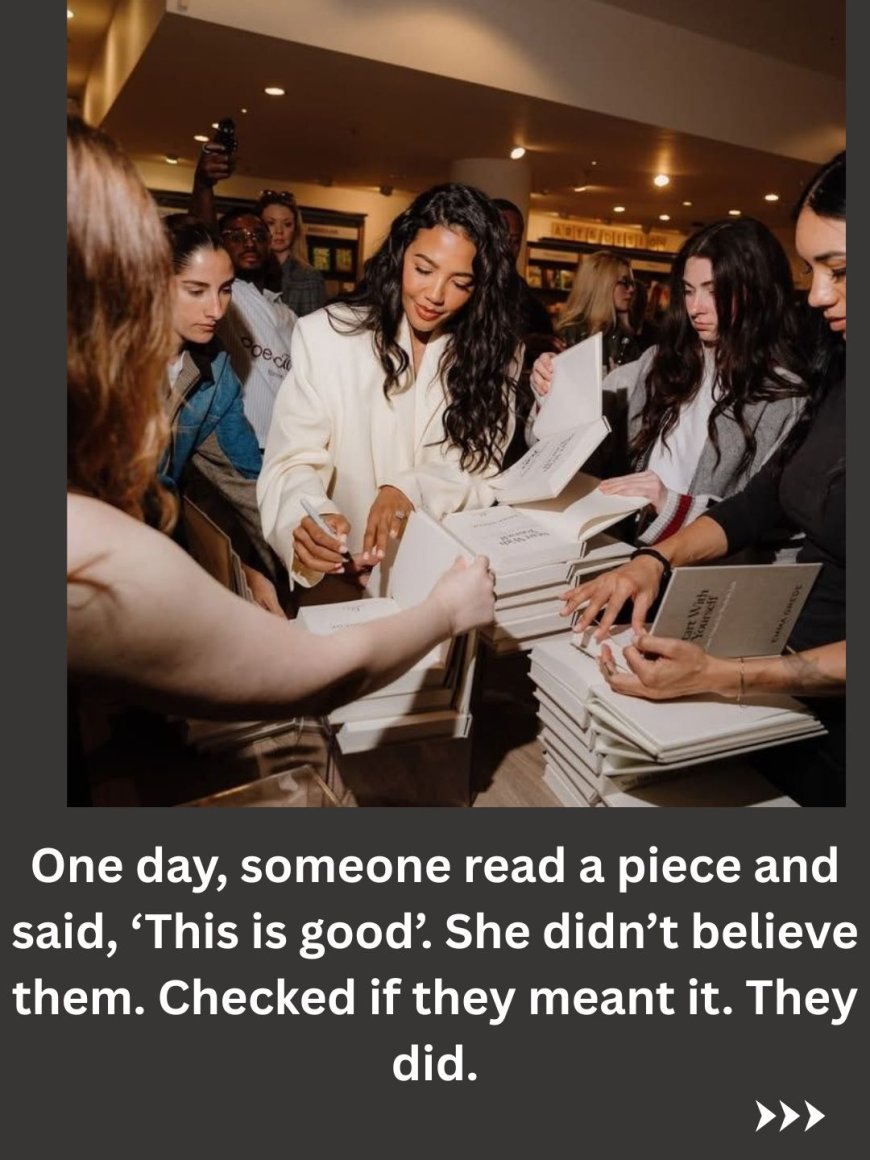
Apart from articles, the intership also demanded some creativity where we were asked to create carousels and also conduct video interviews:
Carousels
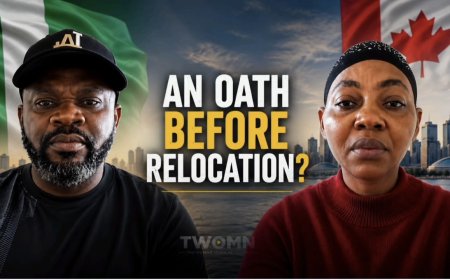
Video interview:
What are the reasons that you think stops people from voting or participating in politics?
Other articles I wrote are;
https://twomn.net/outrage-as-women-are-harassed-at-ozoro-cultural-festival-suspects-in-custody
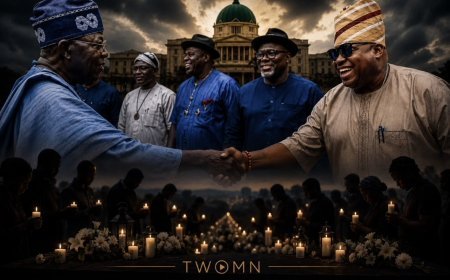
https://twomn.net/they-were-killed-on-palm-sunday-the-president-was-celebrating-his-birthday
Across all of it, The Wayout gave me room to stretch. Room to try, to be corrected, and to try again without the fear of failure becoming bigger than the work itself. The workshops sharpened my understanding of structure and strategy. The editorial feedback, even when it stung a little, made my writing tighter and more intentional. The deadlines taught me that inspiration is a luxury and discipline is what actually gets the work done.
One major thing that stood out for me was being able to explore different niches of writing. I collaborated with a fellow intern on a feature article.
https://twomn.net/is-remote-work-and-the-nomad-lifestyle-as-glamorous-as-it-seems
There is something particular about being stretched in an environment that also supports you. That balance is not common, and I did not take it for granted. Every assignment I completed here added something to the writer I am becoming, not just in terms of skill but in terms of how I think about stories, whose stories deserve to be told, and what it means to tell them well.
I came in knowing I wanted to write. I am leaving knowing how to. That distinction matters more than I can properly explain, but I will spend the rest of my career being grateful for it.
What's Your Reaction?
 Like
1
Like
1
 Dislike
0
Dislike
0
 Love
0
Love
0
 Funny
0
Funny
0
 Angry
0
Angry
0
 Sad
0
Sad
0
 Wow
0
Wow
0