
























































U.S. Launches Strikes on Iran After Downing of American Military Helicopter
U.S. military strikes Iranian radar and air defense sites after Apache helicopter incident near the Strait of Hormuz, triggering retaliatory attacks and rising fears of regional escalation.
Prefer listening? Tap play and the article will be read aloud.
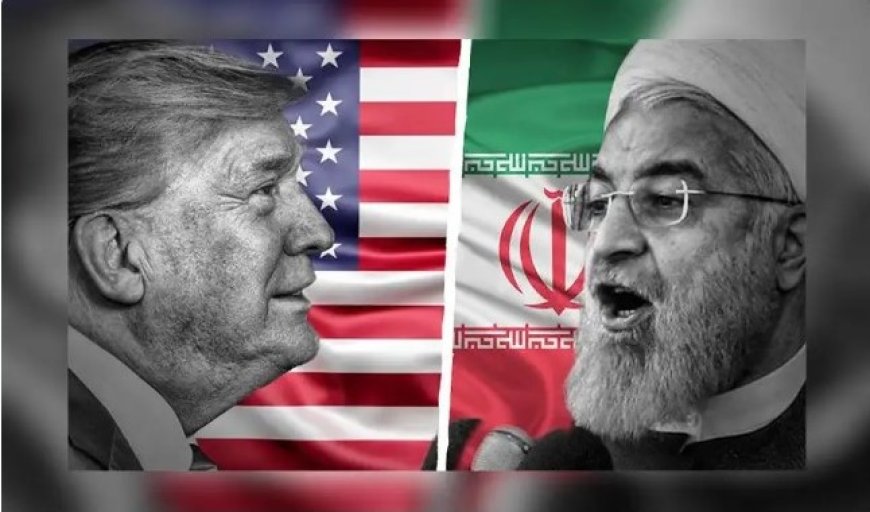
Tensions in the Middle East escalated sharply this week after the United States launched military strikes against Iran in response to the downing of a U.S. Army AH-64 Apache helicopter near the Strait of Hormuz.

According to U.S. Central Command (CENTCOM), the helicopter was brought down during a patrol mission on Monday. Both American crew members were successfully rescued and are reported to be in stable condition following a rapid recovery operation involving unmanned military technology.
In response, the United States carried out what officials described as "self-defense strikes" targeting Iranian radar systems, air defense installations, and military control sites near the Strait of Hormuz. The operation began Tuesday evening following authorization from President Donald Trump. U.S. officials characterized the action as a proportional response to the helicopter incident rather than the start of a broader military campaign.

Iran strongly condemned the strikes, reporting damage to several locations, including facilities in Jask, Sirik, and Qeshm. Iranian officials warned that any further attacks would be met with retaliation, raising fears that the confrontation could develop into a wider regional conflict.
Those fears intensified within hours of the U.S. operation. Iranian state media reported retaliatory missile and drone attacks targeting American military positions in Bahrain, Jordan, and other locations across the region. While several projectiles were reportedly intercepted, the exchanges marked one of the most serious direct confrontations between the two countries in recent months.

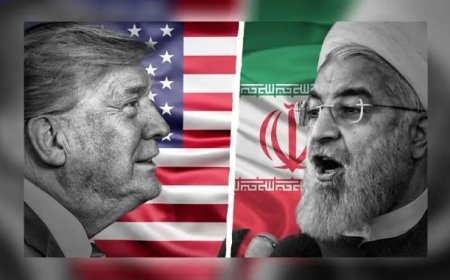
The latest developments threaten ongoing diplomatic efforts aimed at reducing hostilities between Washington and Tehran. Despite authorizing the strikes, President Trump has continued to express support for negotiations and a possible peace agreement. Iranian officials have also publicly stated a preference for diplomacy, though they maintain that military responses will continue if Iran is attacked.
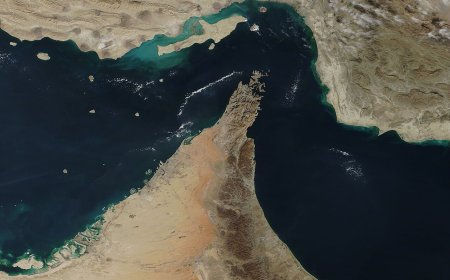
The incident is particularly significant because it occurred near the Strait of Hormuz, one of the world's most important shipping routes. A large percentage of global oil exports pass through the waterway, meaning any escalation in the region could have consequences for energy markets, international trade, and global economic stability.
As world leaders call for restraint, attention is now focused on whether diplomatic channels can prevent further escalation. For now, the exchange of strikes has added a new layer of uncertainty to an already volatile region, with governments and markets closely watching what happens next.
What's Your Reaction?
 Like
0
Like
0
 Dislike
0
Dislike
0
 Love
0
Love
0
 Funny
0
Funny
0
 Angry
0
Angry
0
 Sad
0
Sad
0
 Wow
0
Wow
0