


























































GLOBAL AND NIGERIAN FOOD SECURITY IN 2026: A Growing Crisis with Paths to Hope
Examining Nigeria’s severe 2026 food crisis affecting 35 million people alongside global hunger trends. Key drivers, impacts on children, and practical solutions for long-term food security.
Prefer listening? Tap play and the article will be read aloud.
In 2026, food security is an essential principle that everybody must have loyal access to acceptable, secure and healthy food, which faces important challenges.
They are actually global issues such as conflicts, climate shocks, economic hardships and escalating cost of living that are driving millions of people closer to the brink of hunger. These have a particular concern in the situation in Nigeria where predictions indicate that a large number of people will undergo severe food deficiency this year.
Nonetheless, amid these challenges, there are also inspiring instances of stability, innovation, and pragmatic solutions that furnish real expectations for the future.
The Global Picture of Hunger on the Rise Again
Recent reports from the World Food Programme (WFP) highlight that by 2026, approximately 318 million people across the globe are experiencing crisis levels of hunger or worse. This alarming situation is exacerbated by conflicts in regions such as the Middle East, Sudan, and various parts of Africa, alongside the impacts of extreme climate events.
The WFP warns that if current tensions persist, an additional 45 million individuals could be plunged into acute hunger by mid-year. Additionally, 2025 marked a concerning milestone, as the first confirmed famines in a decade occurred, with ongoing risks still prevalent.
The drivers are familiar but powerful: wars that disrupt farming and markets, extreme weather destroying crops, high food and fertilizer prices, and declining humanitarian funding. Africa bears a heavy burden, with tens of millions in East, Southern, West, and Central regions at risk during lean seasons.
Nigeria’s Food Security Challenge: Among the World’s Most Severe
Nigeria is facing a significant crisis, particularly regarding food insecurity. Projections for 2026 indicate that nearly 35 million individuals, especially in the northern regions, may experience severe food shortages during the lean season from June to August.
In the northeastern states of Borno, Adamawa, and Yobe, approximately 5.8 million people are expected to require urgent assistance, with around 15,000 individuals in Borno at risk of catastrophic hunger.
The ongoing conflict is a primary factor contributing to this situation. Issues such as banditry, insurgency, and various attacks have led to farmers being displaced, destruction of crops, and disrupted market access. Additionally, economic challenges, including high inflation and a weakened naira, have rendered food unaffordable for many, even when available.
Climate change exacerbates the problem, bringing droughts and floods that adversely affect staple crops. Consequently, millions of people are left relying on wild foods, begging, or going without meals.
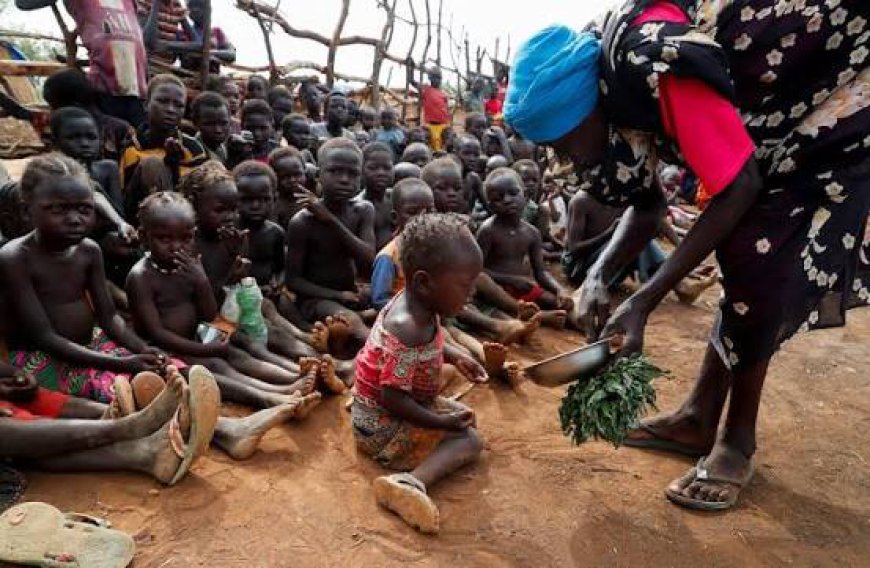
The impact of this crisis is particularly pronounced among children, who suffer from elevated rates of stunting and malnutrition, affecting their growth and long-term development.
Why It Matters: Beyond Empty Plates
Food insecurity extends beyond the immediate issue of hunger. It contributes to instability, hinders economic growth, deteriorates health outcomes, and impedes educational opportunities for children.
In Nigeria, it exacerbates poverty cycles and can lead to increased conflict due to dwindling resources. On a global scale, food insecurity poses a significant threat to efforts aimed at eradicating poverty and fostering peaceful societies.
However, achieving food security is within reach. Countries that prioritize investments in agriculture, uphold stable governance, and implement safety net programs often achieve better outcomes.
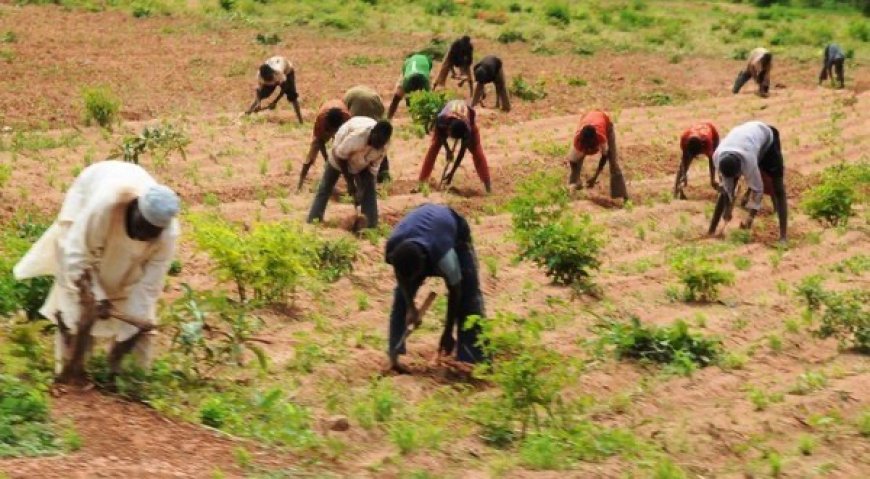
Nigeria is endowed with fertile land and has a dedicated farming community, along with a growing interest in adopting modern agricultural practices, such as the use of improved seeds, irrigation systems, and climate-smart techniques.
Paths Forward: Practical Solutions and Resilience
Short-term assistance, such as food distributions and cash transfers, plays a critical role in saving lives during crises. However, achieving lasting change requires a focus on longer-term strategies that address several key areas:
- Peace and Security: Efforts to reduce violence are essential, allowing farmers to safely return to their fields and resume their livelihoods.
- Agricultural Support: Enhancements in agriculture, including access to better seeds, training opportunities, improved storage facilities, and greater market access, are crucial for sustainable development.
- Economic Stability: Implementing policies that effectively control inflation and foster job creation is vital for maintaining a stable economy.
- Climate Adaptation: Adapting to climate change through initiatives like irrigation systems, drought-resistant crops, and sustainable agricultural practices is necessary for future resilience.
- Partnerships: Collaboration among governments, non-governmental organizations (NGOs), the private sector, and international donors is important for maximizing impact.
Programs carried out by organizations such as the World Food Programme (WFP), the Food and Agriculture Organization (FAO), and the Nigerian government are already making a difference by providing emergency farming kits and focusing on resilience building. Increasing funding and fostering local ownership of these initiatives could further scale up their effectiveness and reach.
A Call for Balanced Action
Food security in 2026 presents a significant challenge both globally and nationally, with Nigeria facing particularly alarming statistics. The factors driving this crisis include ongoing conflicts, climate change, and economic instability, all of which profoundly impact the daily lives of millions of individuals.
Despite these challenges, there is a pathway to improvement. Acknowledging the issues at hand, enhancing security, investing in innovative agricultural practices, and fostering genuine partnerships can pave the way for progress. Many local farmers, communities, and innovators are already demonstrating effective strategies.
The primary objective is clear: to reduce the number of hungry families, strengthen local food systems, and ensure that every child has enough to eat. Achieving this goal will require consistent effort from leaders in Abuja and collaboration with international partners. The benefits—healthier and more stable communities—make the endeavor worthwhile.
Addressing the complex issue of food security calls for practical, human-centered solutions rather than quick fixes or assigning blame. Immediate action is necessary to create lasting change.
What's Your Reaction?
 Like
0
Like
0
 Dislike
0
Dislike
0
 Love
0
Love
0
 Funny
0
Funny
0
 Angry
0
Angry
0
 Sad
0
Sad
0
 Wow
0
Wow
0