
















































The Nigerian Hustle Economy
Nigeria's startup ecosystem celebrates success stories while thousands of founders grind invisibly, trapped between ambition and basic survival.
Prefer listening? Tap play and the article will be read aloud.
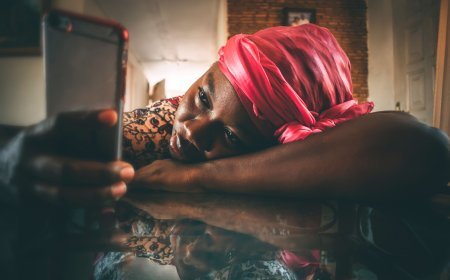
Chioma sits in a coffee shop in Yaba, her laptop open to a spreadsheet she's memorized by now. Every number represents a choice she didn't make, money she didn't spend, a meal she skipped. Three months ago, she registered her digital marketing agency. Last month, she finally landed her first real client - a small e-commerce business willing to pay her 50,000 naira to build their social media presence. She's spending most of it on her laptop's monthly internet bill.

Source: Cassie Davies
She is one of thousands.
Nigeria's startup ecosystem entered 2026 carrying both optimism plus exhaustion. Funding conversations had become more serious across Africa, yet thousands of founders still struggled to survive beyond the idea stage.
The numbers can sound inspiring if you don't pay close attention. In the first quarter of 2025, African startups collectively raised $460 million, with Nigeria securing approximately 24% of this total, equating to around $110 million . The money exists. The ecosystem exists. But so does a brutal gap between the entrepreneurs who access it and everyone else.
The real story of Nigerian entrepreneurship in 2026 isn't about the wins. It's about the weight of surviving long enough to have them.
Venture capital firms increasingly focused on startups showing traction, revenue, profitability, user growth, scalability. Early stage entrepreneurs without strong financial backing often found themselves locked out of opportunities before even getting noticed.
Before you can show traction, you need to eat. Before you can prove profitability, you need transport money. The barrier isn't ambition. It's basic survival.

Source: Medium
But something else is happening too. Technology culture evolved rapidly across Nigeria between 2024 through 2026. Artificial intelligence discussions exploded online. Young Nigerians started learning software development, UI design, product management, data analysis, digital marketing, blockchain development, cloud computing, plus startup operations at unprecedented levels.
The knowledge is becoming accessible. The networks are forming. The dream doesn't feel impossible the way it used to.

Source: Computer Tutoring
The Nigeria Startup Act (revised 2025/2026) offers significant lifelines. Aspiring entrepreneurs can register their businesses as 'labelled startups' to access tax breaks; up to four years of tax holidays. Also, the iDICE fund, a $617 million program specifically targeting young entrepreneurs in the digital and creative sectors.
The government is trying. The infrastructure is there. But reaching it requires knowing it exists, having the paperwork in order, having a business model polished enough to present.
Chioma didn't know about the tax holidays. She registered through a friend who knew someone at CAC. She's never heard of the iDICE fund.
What drives the people who do make it? The Nigeria Startup Act states that the most successful businesses are those that solve basic survival problems (food, energy, payments, and logistics). The founders who win aren't building social media apps or B2B software.
They're solving the problem of how people actually live in Nigeria. How they eat. How they move. How they send money. How they charge their phones. The gap between technical brilliance and market reality is where most startups die.

Source: Istock
There's pressure underneath all of this. Entrepreneurship increasingly became more than ambition. For many people, it became a survival strategy. When unemployment is what it is, when government jobs don't exist like they used to, when your family is counting on you to create your own income, starting a business isn't a choice. It's necessary to wear an entrepreneurial outfit.
The May 2026 Startup Innovation Challenge created a moment of attention. A hundred million naira in prizes. The whole country is watching. That growing curiosity transformed the Startup Innovation Challenge 2026 from a regular entrepreneurship announcement into one of the most discussed startup opportunities of May 2026.

Source: MSME Africa
Beneath the loud conversations about millions of naira sat a deeper story about timing, ambition, economic pressure, Africa's changing tech culture, plus a generation desperately searching for breakthrough opportunities in a difficult economy.
Chioma didn't apply. The entry requirements asked for things she hasn't built yet: traction numbers, a polished pitch, evidence that her idea is worth the judges' time. She's too early. Or maybe she's exactly where most Nigerian entrepreneurs are: real, building, hungry, but not yet visible to the ecosystem that might help her scale.
The ecosystem will tell its success stories. It will speak about Paystack and Flutterwave, about founders who raised millions and built unicorns. Those stories are real.
But they exist alongside thousands of stories like Chioma's - people working from coffee shops on 50,000 naira a month, learning tech on YouTube, trying to build before they break, knowing that the game is rigged in favor of people who already had resources, but playing anyway because the alternative is worse.
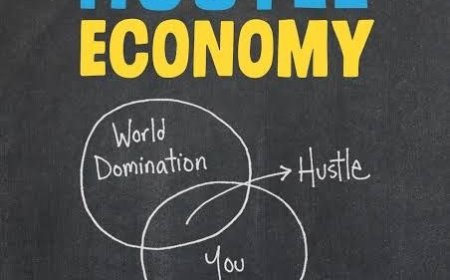
That's the real hustle economy: not the dream, but the grind. Not the wins, but the weight of trying in an economy that makes trying exhausting. But first they have to survive long enough to compete.
What's Your Reaction?
 Like
0
Like
0
 Dislike
0
Dislike
0
 Love
0
Love
0
 Funny
0
Funny
0
 Angry
0
Angry
0
 Sad
0
Sad
0
 Wow
0
Wow
0