























































Why Care Work Deserves Respect—Not Ridicule
Separating legitimate concerns about exploitation from the dignity of care work itself.
Prefer listening? Tap play and the article will be read aloud.
By The Wayout Media Network (TWOMN)
Care work remains one of the most misunderstood and undervalued professions in modern society. Yet millions of elderly and vulnerable people depend on carers every single day. Daniel Bwala’s recent comments describing the experiences of many Nigerians working in UK care homes as "modern-day slavery” have reignited an important conversation—not only about exploitation, but also about how society perceives those who choose careers in care.
If Bwala intended to highlight exploitative working conditions, that is a legitimate concern. Reports of migrant workers facing poor treatment, unpaid wages, excessive recruitment fees, and abuse of visa sponsorship systems should alarm everyone. Such practices have no place in any modern society and must be confronted through stronger regulation and enforcement.
But exploitation and the profession of care work are not the same thing. Confusing the two risks reinforcing the harmful idea that caring for the elderly or vulnerable is degrading. It is not.
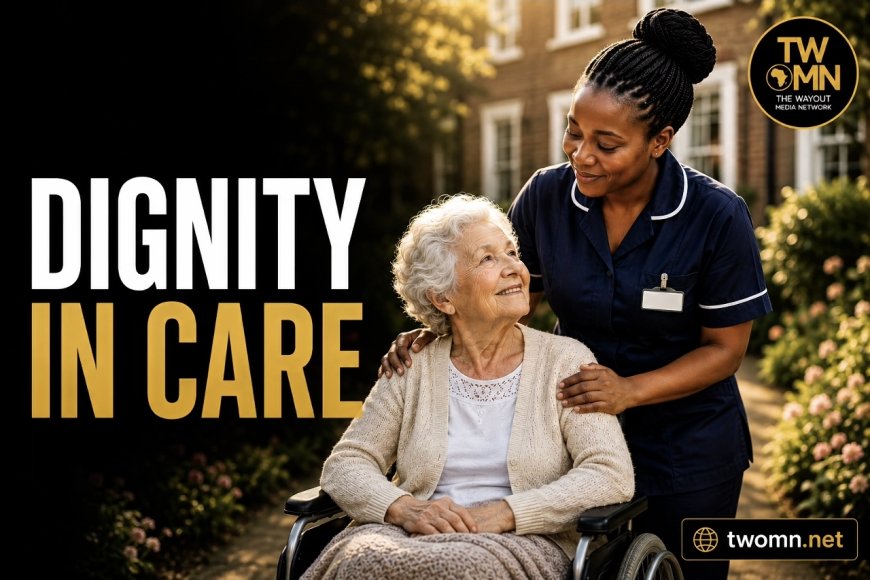
The social care sector is one of the largest employers in the United Kingdom and across much of the developed world. It provides essential support to older adults, people with disabilities, and individuals with long‑term health conditions. Every day, care workers help people eat, bathe, dress, take medication, recover from illness, and maintain dignity. The work is physically demanding, emotionally taxing, and requires compassion, patience, professionalism, and resilience.
Many Nigerians working in UK care homes are university graduates—some with first‑class and second‑class degrees. They choose care work because it offers lawful employment, financial stability, and a pathway to a better future. Through their earnings, they support families, pay school fees, build homes, invest in businesses, and contribute billions of dollars in annual remittances to Nigeria’s economy.
This raises a simple question: what exactly is wrong with honest work?
Too often, success is measured by job titles rather than integrity, contribution, or the dignity of labour. There is nothing shameful about earning an honest living. Society should be far more concerned about exploitation than about the profession itself.
Nigeria, in fact, has a lesson to learn. Our country has no comprehensive long‑term care system for its ageing population. Families shoulder the burden of caring for elderly relatives with little professional support. As life expectancy increases and more Nigerians live into old age, the demand for trained carers will inevitably grow.
Nigeria should not look down on care work. Nigeria should invest in it.
A well‑developed care sector would create thousands of jobs, support families, and improve the quality of life for elderly citizens and people living with disabilities. It is an industry every modern nation eventually needs.
One day, today’s politicians, public officials, business leaders, and commentators will also grow old. Many—including those who criticise care work today—may themselves depend on compassionate, skilled carers. The need for care is one of life’s few certainties.
The debate sparked by Bwala’s comments should therefore move beyond stereotypes. The real issue is not whether Nigerians work in care homes. The real issue is ensuring that every worker—regardless of profession—is treated fairly, paid properly, protected from exploitation, and respected.
History will not remember societies by how loudly they mocked honest work. It will remember how they treated those who cared for the elderly, the sick, and the vulnerable.
If Nigeria truly aspires to be a compassionate, modern, and progressive nation, then care work must be recognised for what it is: one of the most essential professions in any society.
There is dignity in caring for another human being. There always has been, and there always will be.
Editor’s Note: This opinion article by The Wayout Media Network (TWOMN) distinguishes between legitimate concerns about exploitation in parts of the care sector and the inherent value of care work as a profession. The views expressed aim to encourage informed public debate on labour, migration, and social care.
What's Your Reaction?
 Like
0
Like
0
 Dislike
0
Dislike
0
 Love
0
Love
0
 Funny
0
Funny
0
 Angry
0
Angry
0
 Sad
0
Sad
0
 Wow
0
Wow
0