






























DON'T WAIT UNTIL IT REACHES THE CHURCH
Defending religious freedom matters—but so does speaking against every injustice affecting Nigerians.
Prefer listening? Tap play and the article will be read aloud.
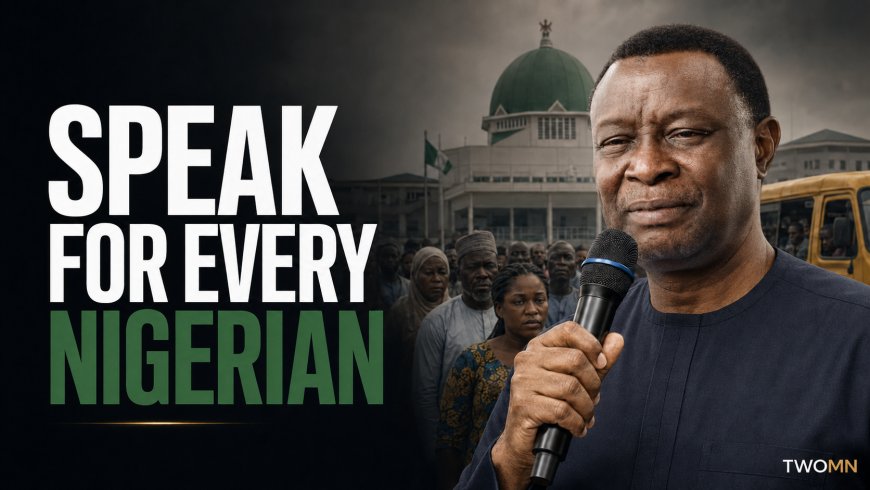
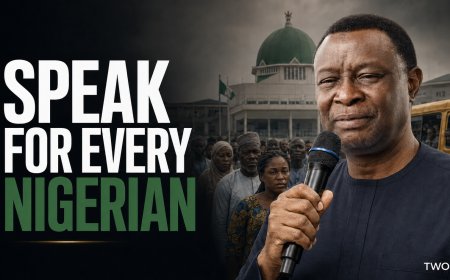
Evangelist Mike Bamiloye’s recent criticism of the proposed punishment for preaching inside commercial vehicles deserves serious attention. In his intervention, he questioned why lawmakers would focus on preaching in buses when Nigeria continues to struggle with corruption, insecurity, kidnapping, poverty, unemployment, terrorism and an unreliable electricity supply.
The controversy followed the Senate’s passage of the Federal Road Safety Corps Amendment Bill 2026. The proposed legislation would impose a ₦50,000 fine on anyone convicted of preaching, hawking or trading inside a commercial vehicle. It has not yet become law and reportedly awaits presidential assent. Lawmakers say the provision is intended to reduce distractions and improve road safety. The Punch has reported the details of the proposal, while Christian organisations have raised concerns about its implications for religious freedom. The Guardian Nigeria reported those objections.
Mike Bamiloye is right to participate in this debate. As a respected Christian leader and role model followed by people in Nigeria and beyond, he has every right to question legislation that may affect religious expression. Indeed, Nigerians should welcome faith leaders who scrutinise government decisions and speak publicly when they believe a measure is unjust, excessive or poorly conceived.
At the same time, a balanced conversation must recognise that public transport is a shared space. Passengers are entitled to safety, order and freedom from harassment, while religious citizens are also entitled to freedom of belief and expression. The important question is whether a broad criminal penalty is necessary, clearly defined and proportionate to the problem lawmakers claim to be addressing. Peaceful religious expression should not be suppressed carelessly, but legitimate concerns about safety and passenger consent should not simply be dismissed.
Beyond the bus-preaching controversy, however, lies a much bigger question for Nigeria’s influential Christian leaders: why do some voices appear strongest when an issue directly affects Christian practice but less audible when other serious national problems affect millions of Nigerians?
This is not a suggestion that every pastor must comment on every headline. Neither is it a blanket condemnation of the Church. Some Christian leaders have spoken courageously about injustice, insecurity and poor governance, and that contribution should be acknowledged. Nevertheless, leaders with enormous platforms and moral influence carry a responsibility to demonstrate reasonable consistency.
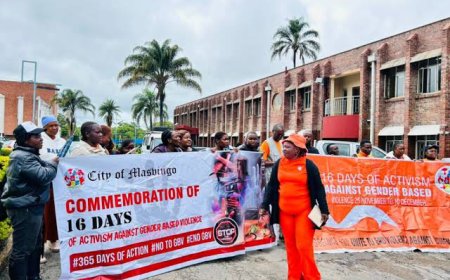
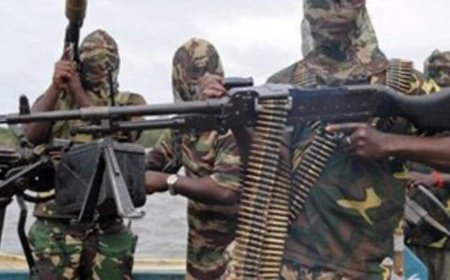
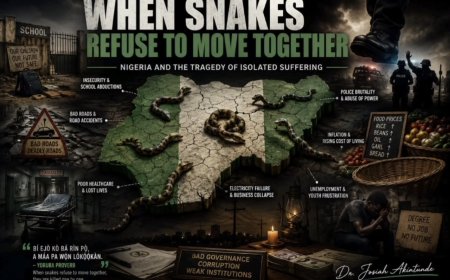
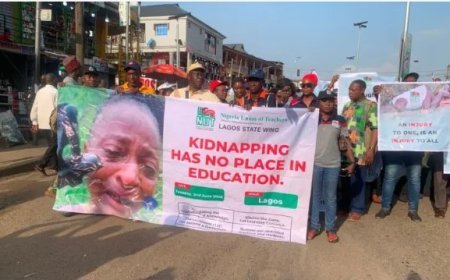
The Christian voice should be heard not only when preaching is threatened, but also when children are kidnapped, communities are attacked, citizens are displaced and allegations of corruption involving public resources emerge. It should speak when poverty strips families of dignity, when young people lose hope, when institutions fail and when ordinary Nigerians are denied justice.
Faith should not become publicly vocal only when the interests of the Church appear to be at stake. Christianity’s moral witness extends beyond protecting access to pulpits, crusade grounds or commercial buses. It includes defending the vulnerable, confronting wrongdoing, promoting accountability and insisting that every human life has value.
When prominent religious leaders speak, millions listen. Their words can challenge those in authority, encourage citizens and help shape the nation’s moral priorities. That influence should therefore be used consistently—not selectively.
Small silences can eventually have serious consequences. When questionable actions receive little resistance because they do not directly affect a religious institution, those in authority may face less public pressure to reconsider them. Over time, indifference to the suffering or rights of one group can create an environment in which the rights of everyone, including the Church, become less secure.
It would be unfair to assume that silence automatically proves compromise, political loyalty or personal benefit. Motives cannot be established merely because someone has not spoken publicly. The concern is not about judging motives; it is about encouraging a broader and more consistent form of moral leadership.
Mike Bamiloye’s intervention should therefore be welcomed, not attacked. But it should also become part of a wider call to Nigeria’s Christian leaders. Speak when religious freedom is threatened, but speak just as firmly when Nigerians of every faith and background face injustice. Challenge questionable legislation, but also challenge insecurity, corruption, abuse of power and failures that make daily life unbearable for ordinary citizens.
Nigeria does not need faith leaders who wait until a problem reaches the church door. It needs courageous moral voices that speak for every Nigerian.
What's Your Reaction?
 Like
0
Like
0
 Dislike
0
Dislike
0
 Love
0
Love
0
 Funny
0
Funny
0
 Angry
0
Angry
0
 Sad
0
Sad
0
 Wow
0
Wow
0