



































The Economics of Streaming: Who Really Benefits from Music Consumption?
Streaming has revolutionized music consumption, but who benefits most? Explore how artists, labels, platforms, and listeners share the value generated by every stream.
Prefer listening? Tap play and the article will be read aloud.
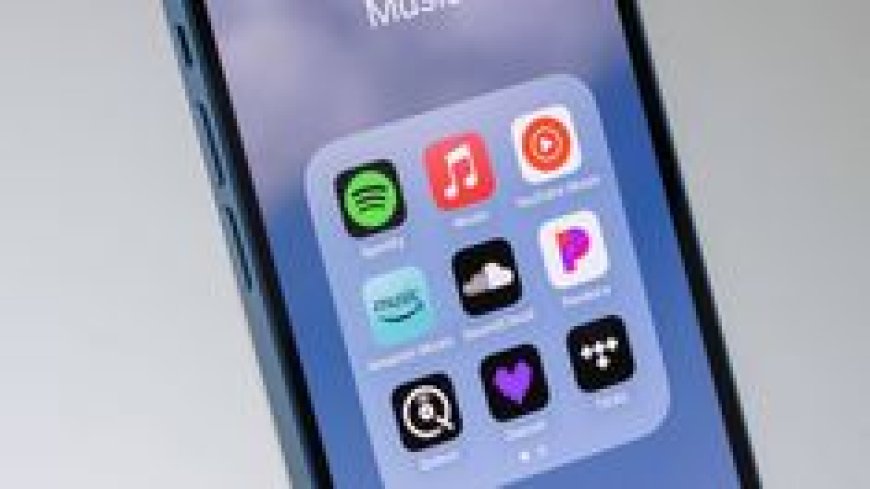

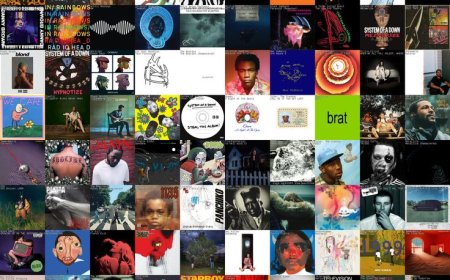
Music has never been easier to access, for the price of a monthly subscription or sometimes for free, listeners can explore millions of songs from every genre imaginable. A teenager in Lagos can discover an underground artist in Seoul. A music lover in London can instantly become obsessed with an Afrobeats star from Nigeria. Streaming has made music more accessible than at any other point in history.
But behind every play button is a question the industry continues to wrestle with: Who actually benefits from all this music consumption?

On the surface, streaming looks like a success story. Platforms have transformed the way people discover and listen to music. Piracy, which once threatened the industry's survival, has largely been replaced by legal streaming services. Global music revenues have grown for years, driven largely by streaming subscriptions. Yet for many artists, especially emerging ones, the streaming era feels far less rewarding than it appears.
The Streaming Boom
The numbers are impressive. Billions of streams happen every day across platforms like Spotify, Apple Music, YouTube Music, and others. Songs can travel across continents overnight, turning unknown artists into global stars. Viral moments on social media can generate millions of streams within days.

For consumers, this is arguably the best era in music history. Listeners have more choice, greater convenience, and lower costs than previous generations who had to buy physical albums or individual downloads.The consumer is clearly winning, but the question is whether everyone else is.
The Artists Behind the Streams

One of the biggest misconceptions about streaming is that every stream directly translates into meaningful income for artists. In reality, streaming payouts are often divided among several parties before reaching the musician. Record labels, distributors, publishers, songwriters, producers, and rights holders may all take a share depending on the artist's agreement.
By the time revenue reaches the artist, the amount can be significantly smaller than many fans imagine. This is why artists frequently celebrate reaching one million streams while simultaneously admitting that those streams are not enough to sustain a career.
For independent artists, the challenge can be even greater. Without massive audiences or dedicated fan bases, generating meaningful income from streaming alone is difficult. In the end, while streams create visibility, visibility does not always create financial stability.
Why Major Artists Seem to Thrive
If streaming pays so little, why do some artists appear wealthier than ever? The answer lies in scale.
A superstar artist isn't just earning from streams. They are benefiting from touring, merchandise, brand partnerships, endorsements, licensing deals, publishing rights, and investments.

Streaming often functions as the engine that powers those opportunities. When a song becomes popular on streaming platforms, it increases demand for concert tickets, boosts merchandise sales, attracts advertisers, and strengthens an artist's brand value. In many cases, the stream itself isn't the product, the attention generated by the stream is.
The Platforms Are Doing Well

There is little debate that streaming platforms have become some of the most influential players in the music ecosystem. These companies sit between listeners and artists, controlling recommendation algorithms, playlists, discovery systems, and user data. They have fundamentally reshaped how music reaches audiences and that influence comes with enormous value.
The platforms benefit from subscription fees, advertising revenue, and the engagement generated by millions of users spending hours on their services. They have become the modern gatekeepers of music consumption. The difference is that today's gatekeepers are powered by algorithms rather than radio stations or record stores.
Record Labels Remain Powerful
Many predicted that streaming would reduce the influence of record labels. That hasn't entirely happened.
In fact, major labels continue to control substantial portions of the world's most-streamed music. Their financial resources, marketing power, industry relationships, and playlist influence still give them significant advantages.

Streaming changed the distribution model, but it didn't eliminate the value of promotion and market access. This is because for many artists, labels remain the fastest path to global visibility, and as a result, labels continue to capture a significant share of streaming-generated revenue.
The Hidden Winners: Consumers
The biggest winner in the streaming economy might actually be the listener. Think about it.

A monthly subscription gives access to millions of songs that would have cost thousands of dollars to purchase individually during the CD era. Consumers enjoy unlimited discovery, personalised recommendations, curated playlists, and instant access across devices.
From a value-for-money perspective, listeners have never had it this good. The challenge is that the affordability consumers enjoy often creates pressure elsewhere in the ecosystem. Someone has to absorb the cost and most times, that burden falls on creators.
The Rise of the Creator Economy
Because of these realities, many musicians no longer view streaming as the end goal. Instead, they treat it as one piece of a larger business strategy.

Artists are building communities on social media, launching subscription-based fan clubs, selling exclusive content, monetising live performances, creating educational products, and developing direct relationships with audiences.
The modern music career increasingly resembles entrepreneurship. The artist is no longer just a musician, they now also play marketer, content creator, brand builder, community manager, and business owner.
So, Who Really Benefits?

The honest answer is that everyone benefits—but not equally. Consumers enjoy unprecedented access to music, streaming platforms generate revenue from subscriptions and advertising, major labels maintain influence and capture significant value from successful recordings, superstar artists leverage streaming into larger business opportunities; and independent artists gain exposure that would have been impossible decades ago.
Yet, exposure and compensation are not the same thing. That remains the central tension of the streaming economy. Streaming has democratized access to audiences, but it has not democratized earnings to the same degree. A handful of artists capture a disproportionate share of streams and revenue, while millions compete for attention in an increasingly crowded marketplace.
Final Thoughts
Streaming changed music forever, it solved some of the industry's biggest problems, particularly accessibility and piracy. It created opportunities for artists to reach global audiences without traditional gatekeepers. It transformed music discovery and gave listeners more power than ever before.
But it also created a system where attention has become the most valuable currency.In today's music industry, a stream is rarely just a stream. It is data, visibility, influence, and potential future revenue wrapped into a single click.

The artists who succeed are often not those who simply generate the most streams, but those who understand how to turn those streams into sustainable careers. Because in the economics of streaming, consumption is only the beginning. The real value lies in what happens after someone presses play.
What's Your Reaction?
 Like
0
Like
0
 Dislike
0
Dislike
0
 Love
0
Love
0
 Funny
0
Funny
0
 Angry
0
Angry
0
 Sad
0
Sad
0
 Wow
0
Wow
0