
































The Attention Economy: Why Entertainment Is Fighting for Seconds Instead of Hours
The attention economy has transformed entertainment. Discover why films, music, streaming platforms, and creators are battling for seconds of attention before they can earn hours of engagement.
Prefer listening? Tap play and the article will be read aloud.
There was a time when entertainment had the luxury of asking for your evening. A television show could slowly build towards its biggest moments, an album could take a few tracks to fully reveal itself, and a movie could trust that audiences would stick around long enough to understand where the story was going. Today, that luxury is disappearing.
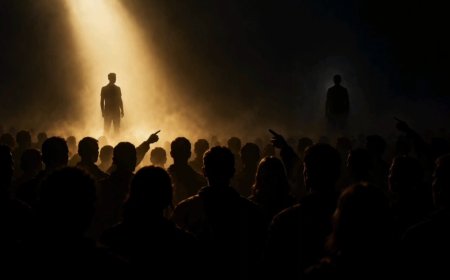
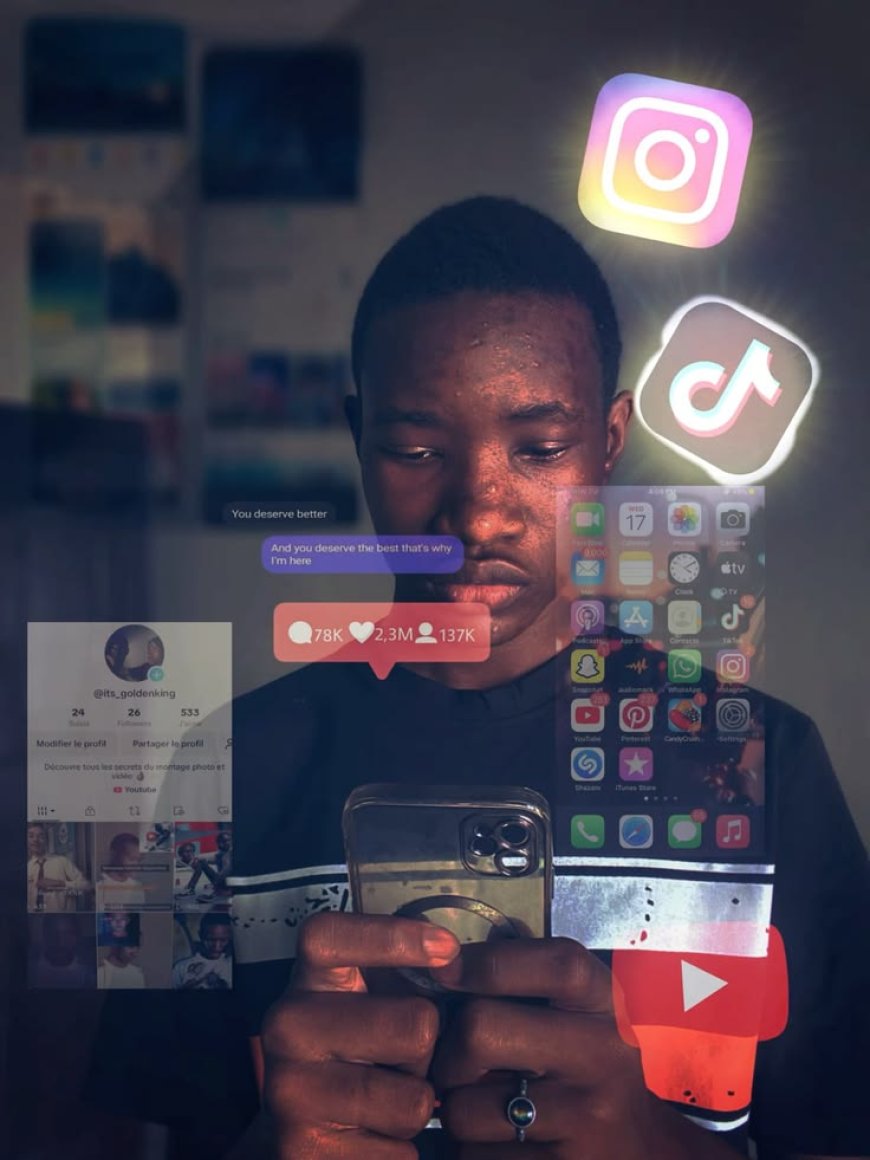
Entertainment is no longer competing for a few hours of your day, more often than not, it's competing for a few seconds of your attention. Before a film can convince you to buy a ticket, before a musician can get you to stream an album, and before a creator can build a loyal audience, they first have to survive the scroll.
That's what makes the modern entertainment landscape so fascinating. The competition isn't simply between Netflix and cinemas or between radio and streaming services anymore. Every form of content now exists in the same giant ecosystem where everything is competing for the same limited resource: attention. Attention on it's part, is becoming harder to earn than ever.
We Have More Entertainment Than We Know What To Do With
One of the biggest misconceptions about modern entertainment is that access is still the challenge. In reality, access stopped being the problem a long time ago.
Most people carry more entertainment options in their pockets than previous generations had access to in an entire lifetime. Within a matter of minutes, you can watch a movie trailer, listen to an album, catch up on a podcast, scroll through social media, watch highlights from a football match, stream a television episode, and still feel like you've barely scratched the surface of what's available.
The problem isn't a lack of content, there's just too much of it.
Every day, audiences are faced with more choices than they could possibly consume, and that abundance has changed how people engage with entertainment. A new film isn't only competing against another film anymore. It's competing against TikTok videos, YouTube creators, Instagram reels, podcasts, gaming streams, group chats, and countless other distractions that all live on the same screen.
For creators, that means the battle for attention has become significantly more crowded than it was even a decade ago.
The First Few Seconds Matter More Than Ever
One of the most noticeable effects of this shift is how quickly content is expected to prove its value. Think about how different audience behaviour looks today compared to twenty years ago. A television series could spend an episode building its world and introducing characters before asking viewers to commit emotionally.
Radio personalities had time to develop conversations and create a connection with listeners. Even films could afford a slower opening because audiences had fewer alternatives competing for their attention. Now, people are constantly surrounded by options.
If a piece of content doesn't immediately spark curiosity, another option is only a swipe away. That reality has influenced almost every corner of entertainment. Songs often get to the hook faster, trailers reveal more than they used to, videos open with their most dramatic moments, and headlines are designed to grab attention instantly.
Some people view this as a decline in audience patience, but I think it's more complicated than that. When consumers are presented with endless choices, they naturally become more selective. It's not necessarily that people refuse to pay attention; it's that they're increasingly careful about what they choose to pay attention to.
Long-Form Entertainment Isn't Dying
Interestingly, the rise of short-form content hasn't killed long-form entertainment the way many people predicted.
If anything, we've seen evidence that audiences are still willing to spend hours engaging with content they genuinely enjoy. Podcasts regularly stretch beyond two or three hours. Entire television seasons are consumed over a single weekend. Gaming streams attract viewers who happily watch for most of a day.
That doesn't look like an audience with no attention span. What it looks like is an audience that wants a reason to invest. The challenge for creators isn't convincing people to spend time with their content, the challenge is convincing them to start.
Once that initial barrier is crossed, people are often willing to stay far longer than many assume. The real battle, then, is not for hours, It's for the opportunity to earn those hours.
Streaming Changed The Rules
Streaming platforms accelerated this shift in a major way. For decades, entertainment operated on scarcity. Television networks determined what people watched and when they watched it. If you missed a programme, you often had to wait for a rerun. Viewers had fewer choices, which meant creators had more time to win them over. Streaming flipped that model completely.
Today, audiences have thousands of options available instantly. If a film loses their interest halfway through, they can abandon it without a second thought and find something else within seconds. That freedom has changed audience expectations and raised the pressure on creators.
It's no longer enough for a story to become interesting eventually. Increasingly, it has to become interesting immediately. That doesn't mean every film needs an explosion in the opening scene or every show needs a shocking twist in the first episode. It simply means creators have less time to convince audiences that the journey will be worth taking.
Social Media Didn't Shorten Attention Spans—It Changed Habits
Whenever conversations about the attention economy come up, people often claim that social media has destroyed attention spans. While there is no specific convinction that that's what is happeing, what social media has definitely done is change our habits.
Platforms are built around constant novelty, rewarding users with a steady stream of fresh content every few seconds. Over time, that environment encourages people to become more efficient in deciding what deserves their attention and what doesn't. That's a subtle but important difference
People will still sit through a three-hour movie they love. They'll still binge-watch an entire season of a television show. They'll still spend hours following a creator whose content consistently delivers value. However, the issue isn't that audiences can no longer focus, but that they're less willing to focus on something that hasn't given them a reason to care.
Creators Are Now Marketers Too
Perhaps the most difficult part of the attention economy is the pressure it places on creators themselves, making great work is no longer enough. A filmmaker has to think about how clips from the film will perform online before the movie even reaches audiences.
Musicians are often expected to create content around their music just to keep songs visible in crowded feeds. Writers spend almost as much time thinking about headlines and discoverability as they do the work itself. Whether they like it or not, many creators now operate as both artists and marketers.
That balancing act can be exhausting because the job no longer ends when the work is finished. Once a project is complete, another challenge begins: getting people to notice it. And in a world overflowing with content, visibility can sometimes feel just as important as quality.
Final Thoughts
The phrase 'attention economy' gets used so often that it's easy to overlook what it actually means. At its core, it's simply the recognition that attention has become one of the most valuable resources in modern entertainment. Before someone streams your album, buys a cinema ticket, subscribes to your platform, or becomes a loyal fan, they have to notice you first. That first moment of attention has become incredibly valuable because so many other things are competing for it.
The entertainment industry isn't struggling to create content. If anything, it's producing more content than ever before. The real challenge is cutting through the noise and convincing audiences that what you've made deserves a place in their increasingly crowded lives. That's why entertainment is fighting for seconds instead of hours. Not because audiences have stopped caring about long-form experiences, but because those first few seconds often determine whether they'll stick around long enough to give you the hours in the first place.
What's Your Reaction?
 Like
0
Like
0
 Dislike
0
Dislike
0
 Love
0
Love
0
 Funny
0
Funny
0
 Angry
0
Angry
0
 Sad
0
Sad
0
 Wow
0
Wow
0