





































Rent or Buy? The Fashion Dilemma
Which is more sustainable between renting or buying a fit? (Especially for big/special occasions)

Prefer listening? Tap play and the article will be read aloud.
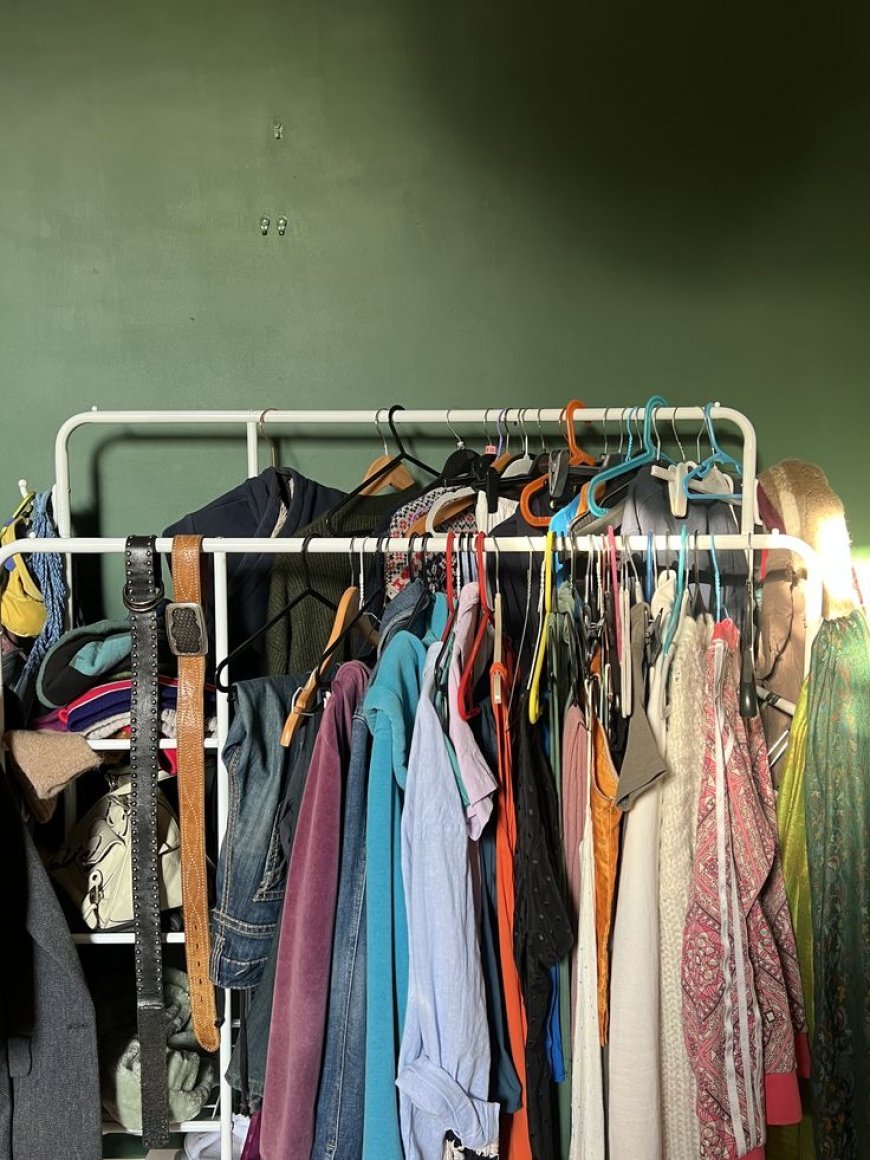
You probably have that dress you bought for one occasion and never wore again. Weddings, school events, award shows, and galas often lead us to spending hundreds, if not thousands, on a dress that will only see the light of day once.
With textile pollution and overconsumption being at the forefront of discussions across the world right now, we know for sure that true luxury these days isn’t having one more designer dress in your wardrobe. It’s making better choices when it comes to your fashion.
So now that we've got that figured out. When it comes to occasions, what’s more sustainable, renting or buying?

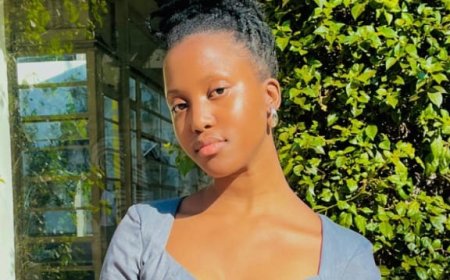
Image source: Google images
Hidden Cost of Looking Good
We like to think of fashion as self-expression. What we don’t acknowledge is that before every fabulous piece of clothing was styled on you, it had an environmental impact. To create one garment, there were raw materials harvested, energy expended, transportation utilized, labor employed, and water consumed. Growing cotton uses water. Producing synthetics creates microplastics. Throw in packaging, shipping, and trends moving faster than ever before, and that one "special occasion" top could harm the environment for more than just one night out. This issue hits close to home across Africa as the second-hand clothes industry booms and textile waste ends up in landfills.
The Case for Renting
Fashion rental has gone from a foreign concept to a fast-growing business.
A lot of people ask, “Why rent when I can keep it forever? The answer to that is simply the following: flexibility, affordability, and sustainability.
See renting offers you the excitement of something new, without the commitment of adding yet another permanent piece to your closet you might never actually wear again. They pay a small percentage of the retail price to wear it for an event and then return it. Think of it as having access to a thousand different wardrobes. Giving fashion lovers the freedom to wear what they want, when they want, without worrying about clutter or storage.
For weddings, fashion shows, traditional celebrations, etc., renting often makes sense, both practically and financially.
Advantages
-
Lower environmental impact
One designer dress worn by ten different people has a significantly smaller footprint than ten people buying ten separate dresses.
-
More affordable luxury
Rental services allow people to access premium designers without paying full retail prices.
In South Africa, businesses such as R'Frique, SOUS Studio, and independent stylists have made occasion wear rentals increasingly accessible.
In Nigeria, fashion rental is also gaining popularity, particularly in Lagos, where luxury fashion houses and personal stylists offer rental services for weddings, fashion weeks, and social events.
-
Less wardrobe clutter
As we’ve all experienced buying that expensive dress or suit only to feel that everyone has already seen it after one Instagram post. One thing that renting does best is to remove that pressure.
-
Encourages circular fashion
Rather than producing more garments, rental extends the life of existing pieces.
Though Renting Isn't Perfect
While rental promotes reuse, it isn't automatically sustainable.
Every rental requires:
-
Dry cleaning
-
Packaging
-
Transportation
-
Delivery logistics
Some of the environmental benefits start to fade if garments travel hundreds of kilometers between clients or need excessive chemical cleaning after each use.
And there is also the issue of availability. Rental deadlines can be stressful with events approaching and popular sizes already gone.
Reasons To Buy
Ownership doesn’t naturally equate to clothes being unsustainable, though buying is frequently criticized in sustainability discussions. Actually, if you buy with purpose, that’s the greener route to take.
Buying Makes Sense When...
-
You'll wear the garment multiple times.
-
The design is timeless rather than trend-driven.
-
The quality allows for years of use.
-
You intend to alter or restyle it.
-
You buy from ethical designers or local artisans.
The Downside of Buying
The problem here is buying a piece and not considering how often you’ll wear it. Surely everyone has that one dress that they wear for the occasion, looks amazing in the photos, and then gets forgotten about in the back of the wardrobe. Even worse, social media can make it even harder, putting pressure on us to be seen in something new instead of finding new ways to wear what we already have.
And, as we continue to buy for this reason, more clothing is manufactured, while more unwanted items eventually end up as waste.
Which Is More Sustainable?
Sustainability doesn’t really have a one-size-fits-all answer. And if you are dressing for a one-off occasion, say your cousin's wedding, renting can be the more sustainable option. You get the look you want without adding another outfit to your wardrobe that may hardly be worn.
But if you’re shopping for something timeless, you know you’ll wear it again and again; buying can make just as much sense. It all depends on what you do with the clothes after the first event.
In the end, the question is not whether you rent or buy. It’s buying something for one night and letting it collect dust in your wardrobe for years after.
Conclusion
Perhaps sustainable living isn’t about having fewer clothes but being more mindful of the clothes we do buy. Fashion is about expressing yourself, celebrating big moments, and feeling good about what you wear. But we still have the ability to make choices that create less waste and to have it all. It all comes down to one question: what happens to that outfit after the event, whether you rent a gown for one special night or buy a quality piece you know you’ll wear for years? Because good style is not about having a closet full of clothes. It’s about decisions you’ll hold onto and wear again.
What's Your Reaction?
 Like
0
Like
0
 Dislike
0
Dislike
0
 Love
0
Love
0
 Funny
0
Funny
0
 Angry
0
Angry
0
 Sad
0
Sad
0
 Wow
0
Wow
0