





















































Home Remedies For Common Ailments: When To Go to The Doctor.
Home Remedies For Common Ailments (Extension)
Prefer listening? Tap play and the article will be read aloud.
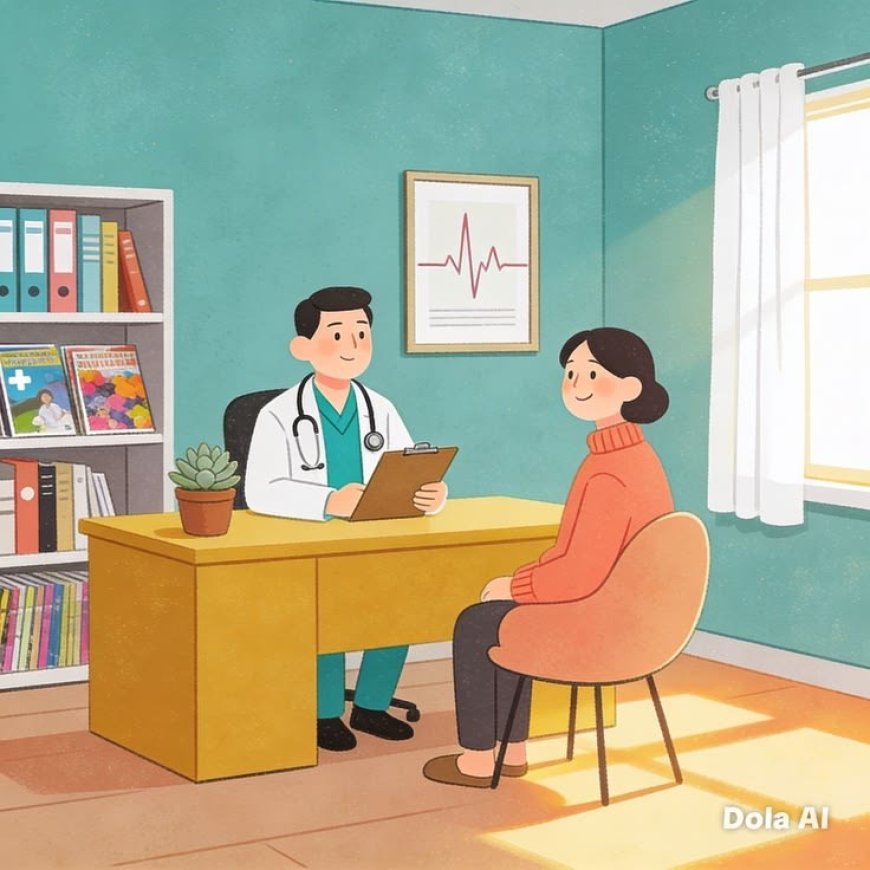
After a long day, it's normal to get a headache, or feel an upset stomach after eating something that didn't agree with you or get a cold that makes you feel tired and uncomfortable. Many common health problems can benefit from simple home treatment that can allow the body to heal.
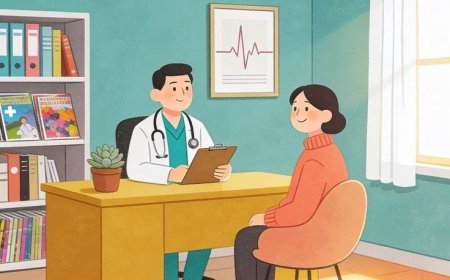
In the previous article we discussed some home remedies to treat common ailments. However, knowing what to do at home is just one aspect of the health care effort. Knowing when a health issue has become too much to deal with at home is also important.
Sometimes, a mild symptom may escalate or trigger other symptoms. Recognizing the signs for the right medical attention can lead to prompt treatment before the condition worsens
1. Not all symptoms require urgent medical attention: Part of the appeal for people to use home remedies is that they do not always need to go to the hospital for minor health issues. If the symptoms are mild, adequate rest, fluids, the right amount of healthy food and time to recover might suffice. For instance, if there is a mild cold, you might be able to get better with rest and proper hydration. Even a simple headache can be resolved after considering tiredness, dehydration and sleep deprivation. It is important to learn to listen to the body. When symptoms slowly resolve, this is usually a good sign. If they don't change or become worse or begin to disrupt normal activities, it could be time to consult a professional.
2. When symptoms become severe: A headache that gets better with rest and doesn't feel unusual is not the same as a sudden headache or headache that is very intense. A stomach ache is also not the same as stomach pain that does not go away or becomes worse. If a symptom is severe, sudden or interferes with the ability to perform routine tasks, then using only a home remedy may not be the best approach. This is also true of symptoms like vomiting that lasts longer than 24 hours, weakness, difficulty breathing or severe pain. Such situations should be treated by a doctor, not by self-treatment.
3. When a symptom refuses to go away: The most obvious indicator can simply be the lack of any improvement. There are many minor illnesses which go away on their own. If the cough or stomach problem, headache, fever or any other symptom doesn't improve, however, it may be worth talking to a health care professional. This doesn't always indicate a serious problem. Sometimes a symptom will last for a long time, and a healthcare professional can help find out what is causing the symptom and what treatment is necessary. If the first remedy does not work, don't go through endless trials and tribulations searching for a new answer, but rather have the symptom properly evaluated. Even if it's temporary, a health issue that keeps coming back should not be ignored. For instance, if you have a headache, you may be used to taking medicine when it comes. Someone else might have a stomach ache again and again and just refrain from eating some food. Sometimes triggers can be identified and avoided, but if it keeps happening there may be a cause to explore. It is helpful to have a simple record of periodic symptoms. Record their time, duration, what you ate or did before, and if they get better or worse. This information can aid a health care professional in determining what is occurring.
4. Know the difference between relief and treatment: It is a mistake to think that if a home remedy eases a symptom, then it has solved the problem. This is not necessarily the same. For instance, if a sore throat is a symptom but not a cause, a remedy may be of temporary help without curing the cause of the sore throat. Likewise, anything that lessens the discomfort may improve a person's feelings even though the problem remains. This is why symptom relief should not always be taken as proof that the illness has been completely resolved. While home remedies can be a part of everyday self-care, they are not a substitute for medical care when needed.
5. Don't assume that remedies on the internet are a safe bet: Today, there are few things easier than getting recommendations on what to do for treatment for just about anything on the internet. There are lots of suggestions on social media, blogs, videos and online communities about how to solve a problem, but not everything is safe or right for everybody. Some remedies which benefit one person may not benefit another. Some herbs and supplements could interact with medications, and some homemade remedies can be irritating or have other issues. Care should be taken when treating children, older people, pregnant women and those with a pre-existing medical condition or on regular medication. When using a new remedy, ask yourself if there is good evidence that it is safe and suitable. If in question, a health care provider and/or pharmacist can offer advice.
6. It is important to note that there are some symptoms that should never be ignored: In some cases, it's best to seek medical treatment rather than a home remedy. Emergency medical treatment may be needed for symptoms like trouble breathing, fainting, seizures, very serious chest pain, bleeding that's hard to stop, sudden weakness or numbness, or any symptoms of a serious allergic reaction. In these cases, waiting and watching to see if a “home remedy” will cure the illness is not the moment to do so. Get emergency medical help as soon as possible. You should also listen to your inner voice. When there's sudden and unexpected difficulty breathing or the situation seems serious, it's better to be safe than sorry and call for assistance.
7. Don't be afraid to get help: Some people avoid hospitals because they worry about the expenses or that they will get bad news while in the hospital, or that the problem is not serious enough. Sometimes, though, not getting medical care early makes it more difficult to deal with a condition. Just because you seek medical advice, it doesn't mean you will be diagnosed with a serious disease. In some cases, it's just a requirement for the person to be reassured by a health care professional. Sometimes, it is possible by early assessment to detect that there is a problem before it gets worse. It is therefore important to know when to seek assistance, and take responsibility for your health.
What's Your Reaction?
 Like
0
Like
0
 Dislike
0
Dislike
0
 Love
0
Love
0
 Funny
0
Funny
0
 Angry
0
Angry
0
 Sad
0
Sad
0
 Wow
0
Wow
0