




























Fave Highlights Double Standards Facing Female Artists in Nigerian Music Industry
Beyond the Music: Fave Speaks Out on Sexism, Image Pressure, and Gatekeeping in Afrobeats

Prefer listening? Tap play and the article will be read aloud.
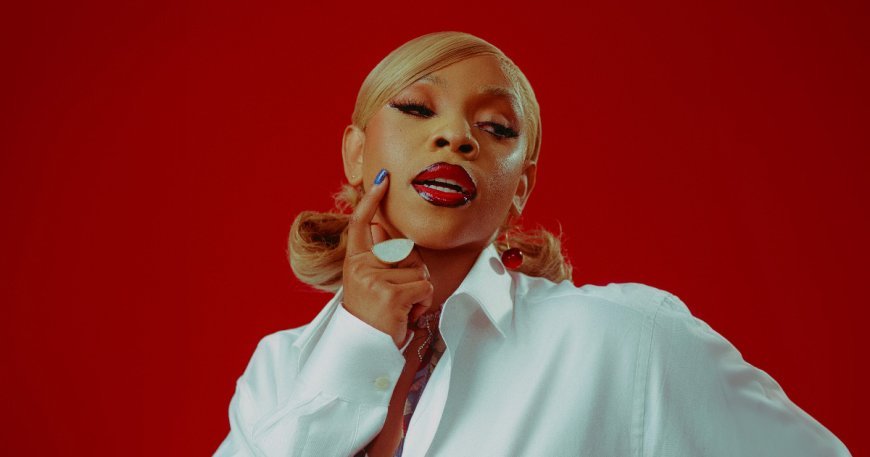
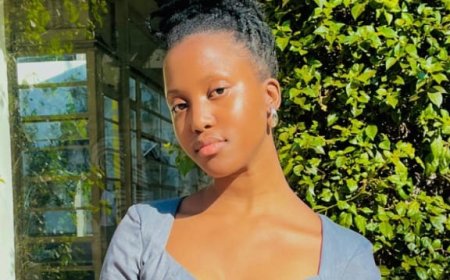
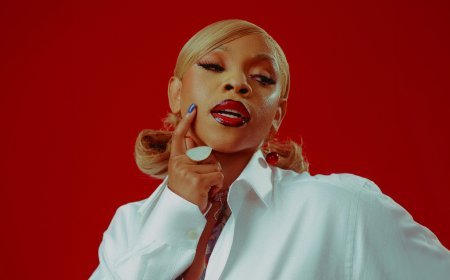
Nigerian singer Fave has spoken about the different standards she believes female artists face as they attempt to establish themselves in the country’s music industry, pointing to appearance, gender expectations, and barriers to industry access.
She spoke on the Afropolitan Podcast and said female artists are often judged on factors beyond their music, including the clothes they wear, their bodies, and their perceived attractiveness. She went on to argue that online discussions about female musicians most commonly focus solely on their appearance and sexuality rather than their craft.
More Than the Music
See, for Fave, the issue here is not simply about criticism. She raised important questions as to why female artists are expected to meet physical and fashion standards that she believes are not applied to male performers to the same extent.
She also argued that female performers can feel pressure to deliver more on stage to receive comparable attention, saying women sometimes have to work significantly harder to remain part of the conversation.
This raises a broader question for an industry increasingly shaped by social media: when audiences encounter a female artist online, how much of the conversation is actually about her music?
Barriers Behind the Scenes
Fave also discussed challenges that can arise before an artist reaches the stage or the charts.
She relived when she encountered industry individuals early in her career who were reluctant to sign female artists because they considered them difficult to manage. She also raised concerns about sexual advances being made towards women seeking access to studios, industry individuals, and professional opportunities. If anything, these comments stir up the question of who actually gets the opportunity to enter, develop, and progress within the industry in the first place.
Listen to The Afropolitan podcast episode to also learn more about Fave’s experience with label support and her decision to pursue greater control over the marketing of her music after leaving Atlantic Records.
A Wider Industry Question
Similarly, her views emerge during a broader conversation about the position of women in African music. Nigerian artists including Tems, Tiwa Savage, Yemi Alade, and Ayra Starr have achieved major commercial and international recognition, demonstrating the potential for women to build substantial careers in the industry.
Although as you look at their success, it doesn't answer the structural questions Fave raises. So one may ask, how are emerging female artists supported before they reach that level? Are they granted the same opportunities for investment, promotion, and industry development? And how much does public perception influence those decisions?
Fave has called on major industry players to help address the barriers facing female artists.
Her comments ultimately shift the conversation from whether women have the talent to succeed to whether the industry and its audiences are creating equal conditions for that talent to be heard. The next time you listen to that song by an emerging artist from Surulere, ponder on this: If the music is the product, should an artist’s gender, appearance, or clothing determine how seriously that music is taken?
What's Your Reaction?
 Like
0
Like
0
 Dislike
0
Dislike
0
 Love
0
Love
0
 Funny
0
Funny
0
 Angry
0
Angry
0
 Sad
0
Sad
0
 Wow
0
Wow
0