














































7 Ways You Can Build Your Own Style on a Budget
How to Build a Personal Style on a Budget
Prefer listening? Tap play and the article will be read aloud.
For many Nigerians, fashion is no longer just about keeping up with trends; it is also about making careful financial choices. With the rising cost of everyday essentials such as food, transportation, electricity and other household expenses, spending a large portion of your income on clothes may not always be practical.
The flip-side is that social media can also make it seem like there's always something else to purchase. Whether it's viral trends, influencer shops, or the latest in fashion brand new looks, it can be challenging to keep up with the need to constantly update your wardrobe.
This doesn't mean that you can't still look good on a budget. In fact, it can inspire you to be more conscious of your personal style. You can choose basic garments, mix and match your existing wardrobe, choose wisely and invest in clothing that you know you will use.
Looking stylish is not necessarily about spending more. It is about spending wisely, knowing your style and making your money work for you.
Here are seven ways you can build up your own style on a budget.
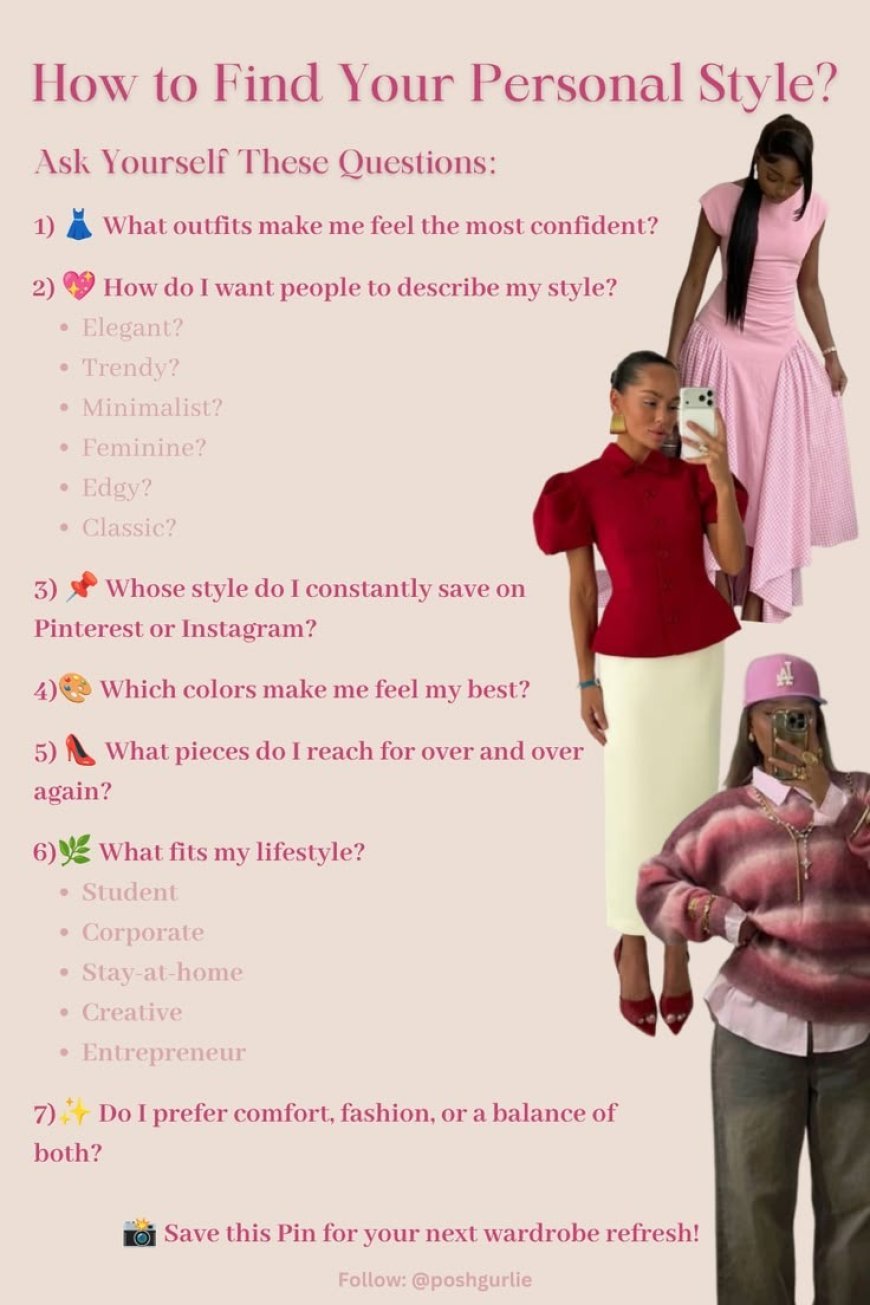
1. Identify your real preferences first: When you're ready to go shopping, find out what you really enjoy. Are you looking for simple, understated styles or more attention grabbing, bright colours and prints? Do you prefer wearing shirts and trousers, dresses and skirts, native wear, casual wear or a mixture of styles?
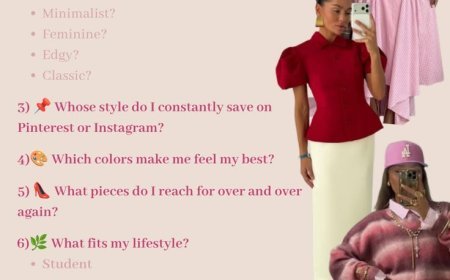
A simple way to discover your personal style is by creating a Pinterest board or saving outfits you like on Instagram and TikTok. Save about 20 to 30 looks, then take a step back and look for patterns. You might notice that you consistently save neutral colours, oversized shirts, gold accessories, sneakers, long skirts, fitted silhouettes or traditional pieces.
These patterns are clues to what you naturally like. You don’t have to copy every outfit you see online or buy everything that catches your eye. Instead, use these looks as inspiration to understand what you genuinely enjoy wearing. This makes it easier to shop intentionally and avoid spending money on clothes that don’t feel like you.
2. Learn how to style what you already own: You may have a lot more options in your wardrobe than you think. Before shopping, remove all the items and begin experimenting. Match the old skirt with a shirt that is normally paired with trousers. Go for a dress that has a belt. Wear a simple dress with a shirt. Tuck, roll or knot pieces in various ways. Sometimes you don't have anything nice to wear, sometimes you've just not tried enough combinations. Wardrobes can be simple and create many outfits when the pieces go together. For instance, if you have a pair of black trousers that fits well, you can wear them for casual outings, work, or dinner. The same rule is applicable to skirts, jeans, dresses and ankara. When shopping for another item, ask “Can I make at least 3 different outfits with this?” If the answer is no, think twice.
3. Prioritise a good fit: An outfit can look expensive at ₦10,000 when it fits well, but look cheap at ₦50,000 when it fits poorly. This is particularly important when buying ready-to-wear clothes or having clothes made.
Pay attention to the shoulders, bust, waist, hips and length. An outfit doesn’t have to be expensive to look good; it simply needs to fit your body properly. If you have a preferred tailor, building a good relationship with them can help you achieve better results over time.
Even minor adjustments, such as taking in the waist, shortening the hem or altering the neckline, can make a huge difference in how an old or outdated piece looks.
4. Use accessories to elevate your outfit: One of the simplest methods to shift outfits is to wear accessories. An elegant black outfit may seem entirely distinct when combined with a pair of hoops, a necklace, a structured clutch or a belt, or shoes that make a statement. However, you don't need to own a large collection of accessories as well. Purchase some basic items like an easy-to-use everyday bag, a pair of earrings that can be worn more often, a belt, a pair of sunglasses, a couple of simple necklaces, and a pair of shoes that can be used in various outfits. You can also add accessories to your wardrobe to add a pop of colour without breaking the bank on a new wardrobe. For example, if all your clothes are black, brown, cream or white, then a coloured bag or scarf will give your outfit a break from the monotony and make it look intentional.
5. Get to know the Art of Thrifting: When it comes to shopping for a bargain, or okrika as it is known, it can be a fantastic resource if the right approach is taken. Find quality fabrics, interesting cuts and pieces that can be incorporated into your existing wardrobe. Carefully inspect seams, zippers, buttons and fabric before paying. An oversized shirt, nice pair of pants or an old quality blazer can be one of the staple items in your wardrobe. The same is true when you are buying at a sale. Just because something is discounted doesn't mean it is necessarily a good buy. If it wasn't appealing to purchase at full price, don't purchase it because it is now cheaper.
6. Don't try to follow all the trends: Trends come and go, so you don’t need to replace your wardrobe every time something becomes popular. Incorporate trends through affordable pieces like accessories, hairstyles, or one statement item. For example, if a particular colour is trending, you can add it through one top, bag or pair of shoes instead of buying several new outfits. This way, you can enjoy current trends without overspending, while your personal style remains timeless.
7. Make a "Uniform" for yourself: This doesn’t mean wearing the same clothes every day. It involves finding a handful of combinations that will make you feel comfortable, confident and complete in your attire. For instance, you may always feel great in a fitted top with broad leg trousers, or a shirt with straight leg trousers and unadorned accessories. After determining what works for you, you can use the same pattern with other colors, fabrics, shoes and accessories. That way, you will find it easier to get dressed, and won't end up spending your money on random clothes that won't look good on you.
Conclusion
- Style doesn’t have to be expensive.
- More clothes don’t necessarily mean better style.
- Build a wardrobe that reflects your lifestyle, personality, body, environment and budget.
- Shop with intention and make the most of what you already own.
- Spend your money purposefully, not just to keep up with trends.
- Good style isn’t always about what you spend, but knowing what works for you.
What's Your Reaction?
 Like
0
 Dislike
0
 Love
0
 Funny
0
 Angry
0
 Sad
0
 Wow
0