




























































How to Live Well on a Tight Budget
How to Maintain a Healthy Lifestyle on a Budget In Nigeria
Prefer listening? Tap play and the article will be read aloud.
Being a good citizen in Nigeria doesn’t necessarily mean spending more money. For low-income individuals, managing everyday expenses such as groceries, cooking gas, and bills can be challenging. However, making a few conscious lifestyle changes can help reduce costs without having to give up the things that bring you joy and make life enjoyable.
Don't try to avoid spending anything. However, it's about knowing how to spend wisely, how to prioritize what you need to purchase, and how to stretch your money.
These are some of the life changes you can make in order to enjoy a good life on a tight budget in Nigeria.
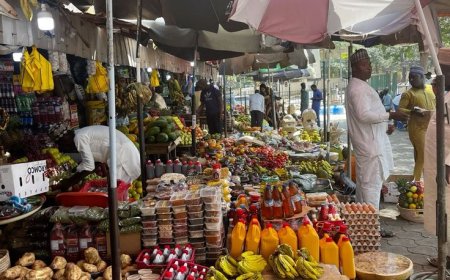
1. Plan more and cook more: Eating more often and planned means that food can be a big portion of your monthly budget, particularly if you frequently eat out or order food. Planning ahead means you will not have to shop for food when you don’t need it. There is also the option of purchasing the staple foods like rice, beans, garri, pasta, etc., in decent amounts at good prices whenever necessary. Eating at home doesn't have to be a dull experience as it is possible to cook easy Nigerian meals without having to go out and buy a lot of ingredients to add to your meal. If food delivery is something you regularly do, cutting down the number of times you are doing this every month will make a difference to your budget.
2. Minimize waste of transportation expenses: Another huge expense area to many Nigerians is transportation. Decide before going out of the house if the trip is essential or if several errands might be done in a single trip. If possible and safe, walking short distances can also save you money. You can also make a comparison of different modes of transportation. For instance, if you use public transportation to some of your trips around town, this can save you a lot in your weekly budget. There's no need to cut back on all transportation costs, but it's important to be more mindful about when and how you travel.
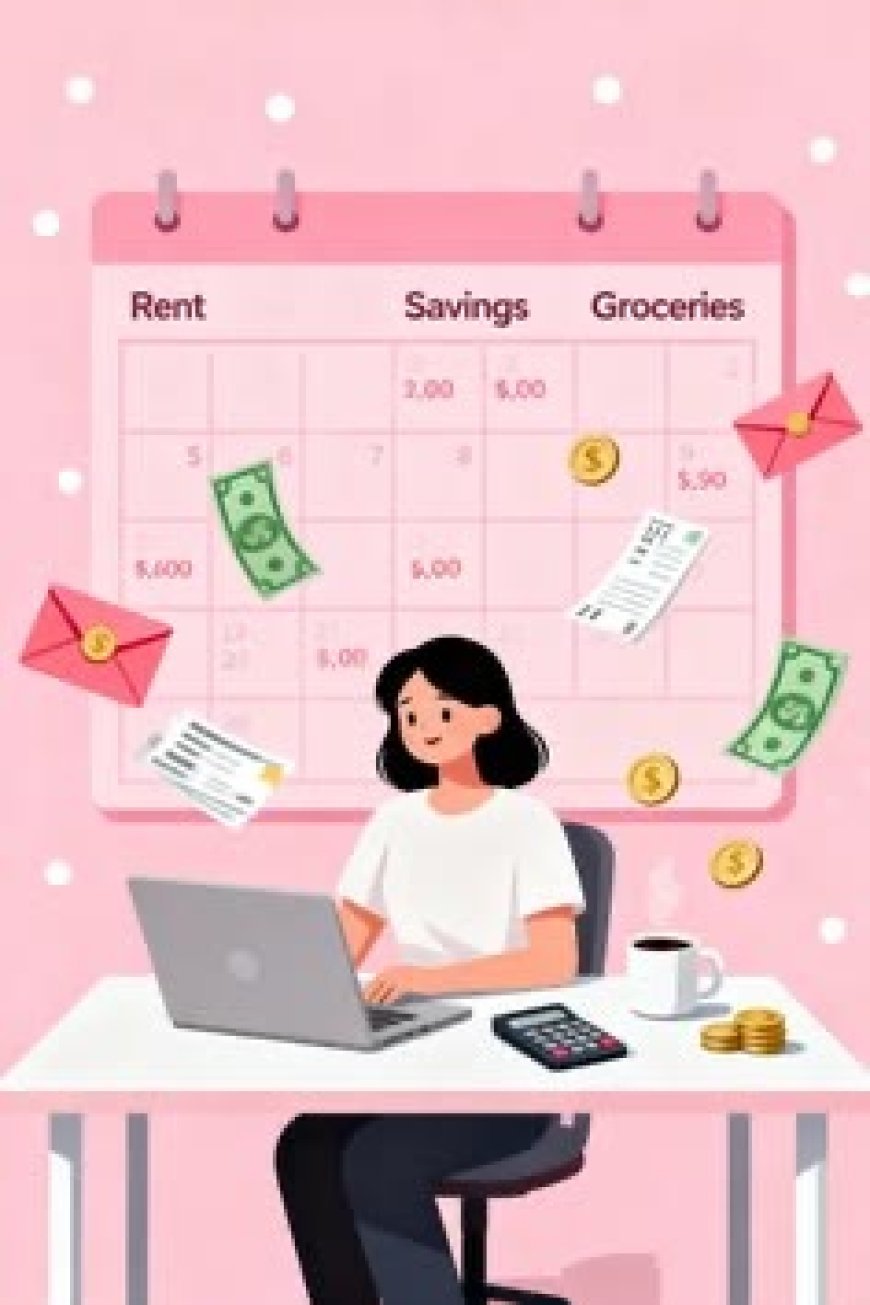
3. Make a Simple Monthly Budget: There's no need to use advanced spreadsheets or financial applications to begin budgeting. Often a note on your cell phone is all that is needed. Record your estimates of income and record your expenses by category, including:
- Food
- Transportation
- Airtime and data
- Personal care
- Bills
- Savings
- Entertainment
When you understand where your cash is going, it is easier to spot where you're spending too much. A budget will also give you a limit on how much you can spend. You won't have to end up confused at the end of the month, as you have planned and made decisions.
4. Plan ahead for meals and snacks: The simplest way to save cash is to avoid purchasing whatever it may be just because it appears attractive in the present second. When you want a purchase that is not strictly necessary, you should ask yourself: Do I need this or do I want it now? Another option is to add a time delay for non-essential products. Buy 24 hours or a few days ahead. If it has been that time and you still need it, then you should review the purchase again. This can be especially helpful when you are ordering online, as social media and promotions lead to unnecessary spending.
5. Use your existing items more efficiently: You don't need to feel or be deprived when living on a budget. For instance, if you always have to buy new clothes, you can make new outfits by using the clothes that you already have. Repair things that can be repaired - don't replace things right away! It is also suitable for household items, beauty products, electronics and other personal items. When you're looking for a new item, see if you already have an existing item to perform the same function.
6. Locate Cost-effective Sources of Fun: Though entertainments are necessary, they don’t have to take a great deal of your finances. There are options to enjoy your free time that are inexpensive or free. This can be anything from watching a movie at home, visiting friends, going for walks, reading, trying out new recipes or going to cheap spots around your city. Also, it is possible to establish an entertainment budget. This way you can have fun without being too concerned about your financial situation. Don't be afraid to skimp on your budget; you don't have to sacrifice all fun. It just involves selecting cheap forms of fun.
7. Put It Out of Your Mind: Saving money can seem like an impossible task when you're running low on funds. But even saving a modest amount, however, can help you establish a fund for emergencies over time. It's not as crucial how much you save as it is how much you get in the habit of saving. You could have a lump sum saving or allocate a percentage of your income to savings. An emergency fund can also help keep your budget from being thrown off if you have any unforeseen costs. When you get some extra money (bonus, gift, unexpected payment) you may want to save some of it rather than spend it all at once.
Conclusion
- Living well on a fixed income in Nigeria isn't all about cutting expenses and denying yourself everything; it's about making wise financial decisions.
- Make meals, reduce needless transportation costs, budget, avoid impulse purchases, re-use, save periodically, and save for entertainment.
- You don't have to make all of the changes at once. Make one or two changes at first that you can do in your lifestyle and gradually make more changes over time.
- If you're on a budget, that doesn't mean you don't have anything going for you. It's a matter of finding greater value in money that you already have.
What's Your Reaction?
 Like
0
 Dislike
0
 Love
0
 Funny
0
 Angry
0
 Sad
0
 Wow
0