
















































AI IS CHANGING THE WORLD - BUT WHO WILL REGULATE IT?
The importance of regulating Artificial Intelligence.

Prefer listening? Tap play and the article will be read aloud.
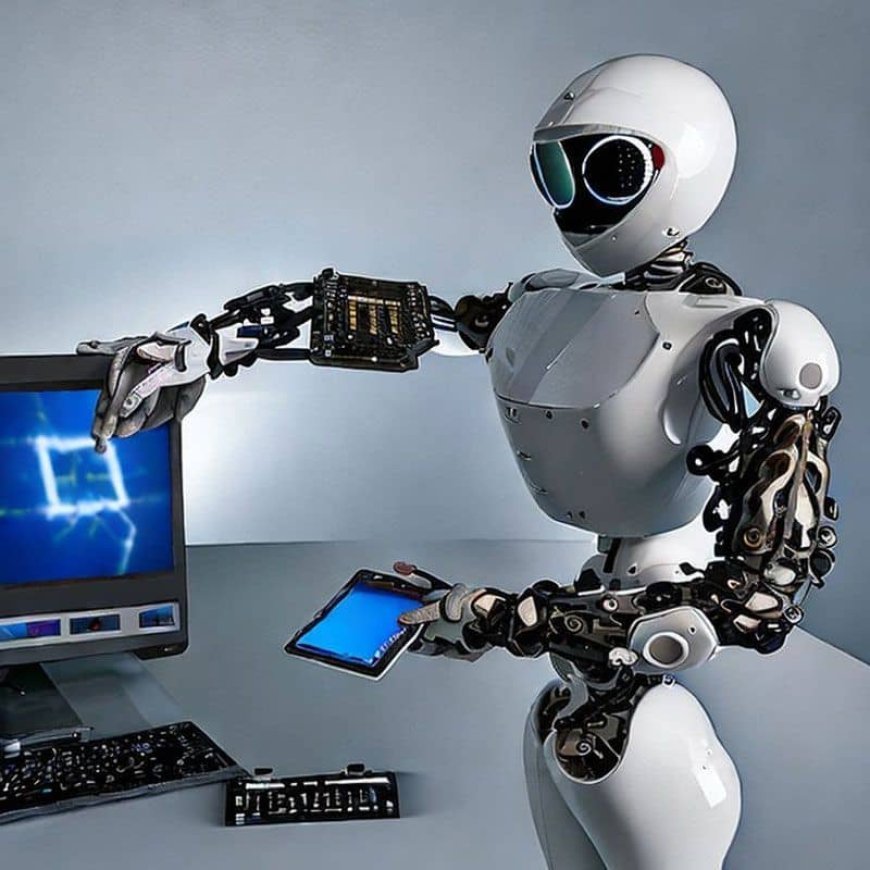
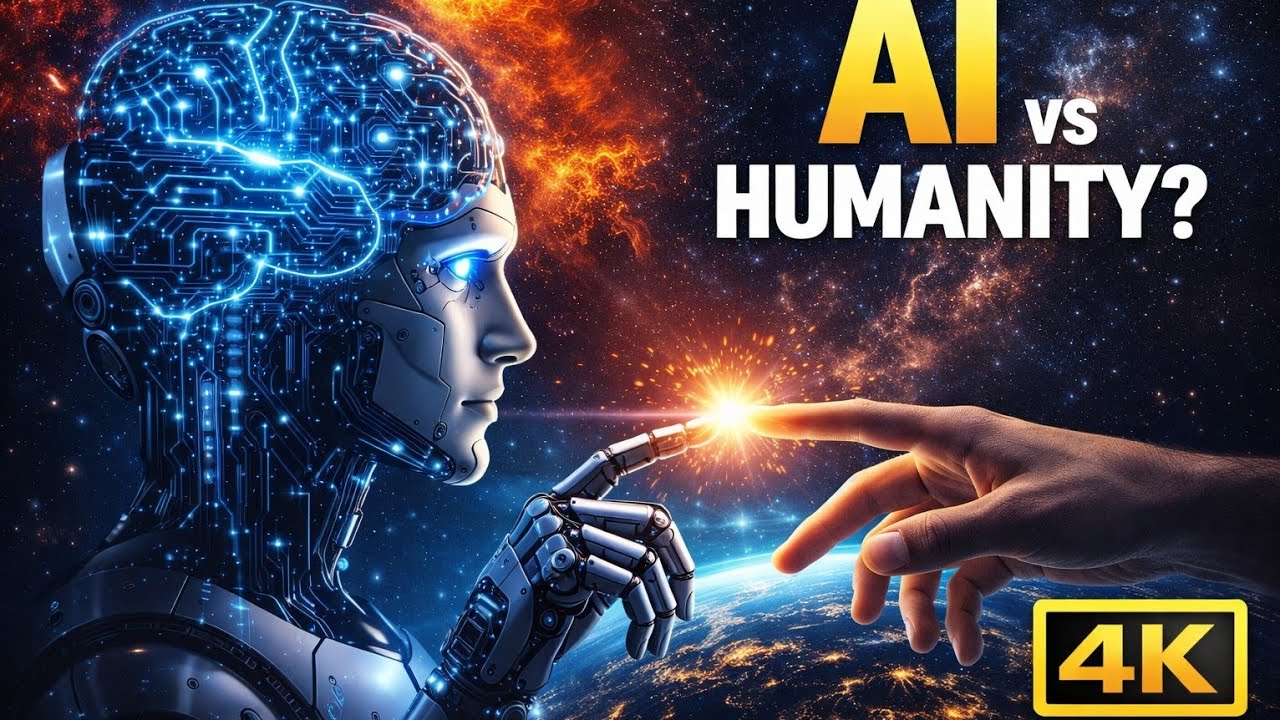
The advancement of AI is mind blowing and faster than anyone can develop rules for it. This technology has become more powerful and widespread in this generation. This has brought an hard question to the heart of many : can this innovation continue without posing a threat to the human race? The evolution of Artificial intelligence (AI) started around the 1940s and 1950s with scientists exploring whether machines can imitate ascepts of human reasoning. Men like Alan Turing, a British mathematician and researchers at the Dartmouth worship proposed the 'Turing test' and popularized the term 'artificial intelligence' respectively. This process, although took years to build upon and has become better, began what has now become incorporated into daily living of humans - smartphones, banking, Healthcare, customer service, manufacturing, education, etc. But just as every good thing has its downside, artificial intelligence is not exempted.
Although the innovation has made things a lot more easier and colorful for the human race. It is important to keep it in check. Rules should be made to govern its development and use. This is important because of many reasons. Mainly the usage of innovation gives it access into people lives. This is why regulations should be established about what data can be collected, how it can be used, and how those data can be protected. People's privacy should be protected. Another reason why rules should be made to govern the usage of AI is to prevent misinformation and deep fakes. Generative AI can now produce convincing texts, videos, images and audios that makes hard for people to distinguish between the real from the fabricated ones. Also the usage of AI needs to be governed to deal with copyright and intellectual property. Mainly AI generate content based on patterns learned from collection of pre existing material.
With the above risk that AI poses, it then leads us to ask, who is currently regulating AI? Currently in the world there is no single global authority responsible for the regulating of artificial intelligence. Instead government and international organizations are individually developing their approaches to govern this fast evolving technology. The European union's AI act is one of world's significant comprehensive AI laws. While countries like China and the United States have ranges of regulations covering areas such as recommendation algorithms, generative AI, combination of federal action and legislations at state level. At international level, the United Nations has established an independent international scientific panel on AI, made up of 40 experts. Their jobs is to provide scientific assessment of AI's opportunities, risks and impacts.
Also organizations such as the OECD, UNESCO, G7, G20 and nternational Telecommunication union (ITU) contributes standard and recommendation around AI governance. At this point it is safe to conclude that it is difficult to regulate a technology that operates globally. AI is global and affects many sectors around the world, it's regulation should therefore be a shared responsibility.
- National governments should provide enforceable laws. They should establish laws that will cover areas like privacy, discrimination, consumer protection, transparency, etc.
- International organizations should allow global coordination. Since AI crosses national borders, countries should ensure international organizations to cooperate.
- Technology companies should build safer and more transparent systems. Companies building and deploying. AI must have responsibilities for assessing risks, testing systems, protecting data, etc.
- Civil society must represent public interests. They must ensure that regulations reflect the interests and right of people especially those affected by AI
-Users must be accountable and use AI responsibly.
What's Your Reaction?
 Like
0
 Dislike
0
 Love
0
 Funny
0
 Angry
0
 Sad
0
 Wow
0