






















































Are We Experiencing Life or Curating It?
How social media is changing the way we experience everyday moments, from capturing memories to seeking online validation.
Prefer listening? Tap play and the article will be read aloud.
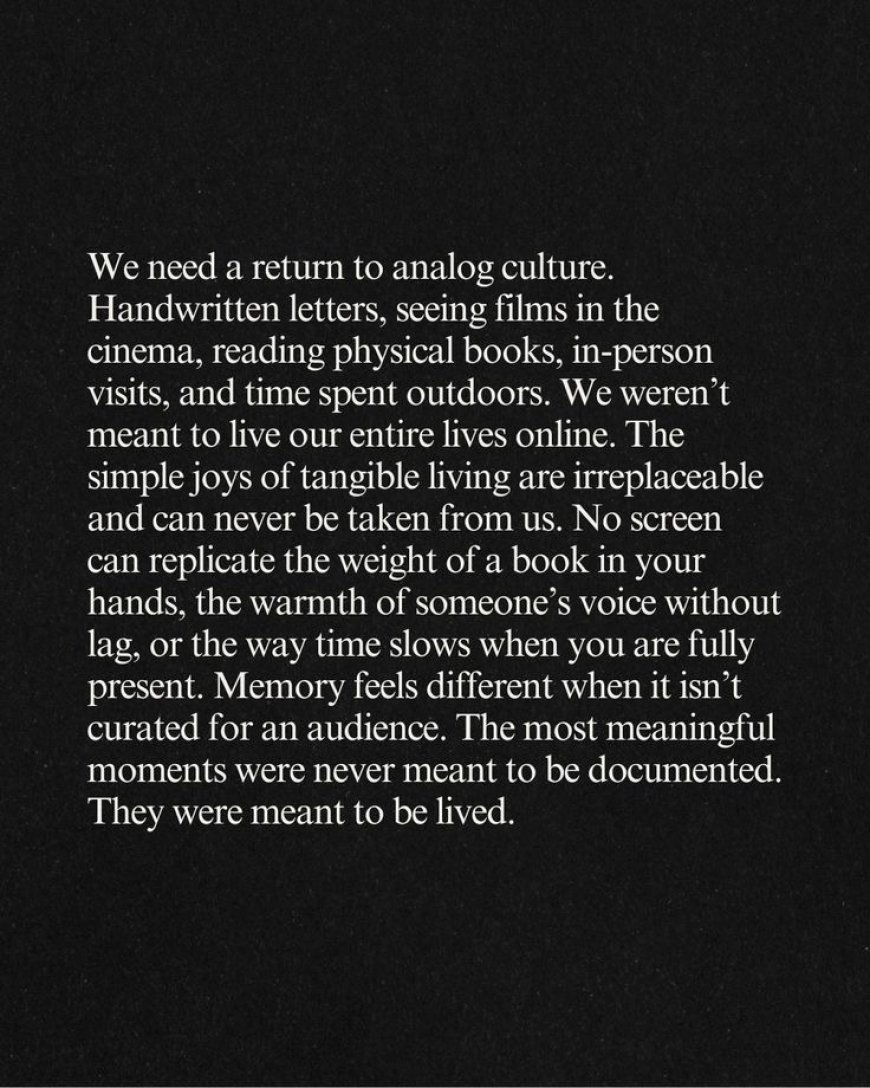
Social media is a key component of the way people share their experiences, mark their achievements and connect. People now share various parts of their lives on the internet, whether it is for their birthday or vacation, visiting a restaurant or any other daily task. Taking pictures and recording videos have become so common that sharing an experience can sometimes feel almost as important as having it.
Consider a group of friends visiting a restaurant. Before they begin eating, they take pictures of their meals, record videos and search for suitable angles. They then spend several minutes trying to get the perfect shot and after some time finally enjoy their food. The images are then posted on social media, with strategically written captions and comments from the audience. While it's important to preserve the memories, it's also important to ask the question: are we so busy taking photos that we're missing out on living our lives?
The Pressure to Document Everything
Social media has made it easy to share personal experiences more so than ever. Individuals can take photos of an event, edit them and post them in minutes. This is an entertaining way to capture and keep track of memories and friendships for many.
But the ease of recording experiences may give rise to the expectation that virtually everything good should be recorded. Our birthday celebration could mean arranging outfits and pictures, and a holiday may mean creating content. Regular events like going for lunch with friends can be documented, too.
When recording experiences becomes a requirement not a desire, problems can occur. A person at an event could spend more time taking videos than doing the activities. An enjoyable trip could leave another member with a feeling of disappointment if they didn't get a picture of everything.
These habits do not necessarily mean people care more about appearances than genuine experiences, but they raise questions about the impact of social media on our behaviors. If it is becoming a matter of whether or not sharing an experience is worth it, maybe it's time to rethink the importance of online documentation in daily life.
When Experiences Become Performances
A great part of what makes social media so interesting is that we have the ability to have some control over how others see our life. Users can select which photos to share, which achievements to declare private and which experiences to keep private. This freedom allows for self-expression, but can also lead to pressure to present a specific image.
For example, if a person is intending to have a birthday celebration, they might want to book a professional photoshoot given that they wish the event to appear impressive on the web. Couples can feel pressured to post pictures of their relationship, while someone celebrating an achievement may become concerned about how the announcement will be received.
The problem is when the experience is more important than the enjoyment. Someone may spend more time putting pictures together than welcoming guests, or be underwhelmed by a holiday because pictures didn't come out as they might have wanted.
Not every experience that takes place on social media is a performance. There are many individuals who really like taking photos and creating content. However, as the desire to create a desirable impression starts to impact the way in which an experience is organized and experienced, it is worth considering whether online aspirations are influencing personal decisions.
The Need for Online Validation
People tend to like it when people pay them a compliment, remember them, and are interested in them. Social media is a great medium to experience this attention in real time when it comes to likes, comments, shares and views.
While these interactions may be fun, they also have the potential to affect the participant's perceptions of the experience. Someone could post a picture that they really like but are disappointed if it doesn't get as many likes as they had hoped for. If another person makes an important announcement about a significant achievement and it doesn't get the attention, they might feel discouraged.
When people depend heavily on online reactions for reassurance, they may find it increasingly difficult to appreciate their experiences without external approval. Recognising this can help users enjoy social media without allowing its feedback to become the primary measure of their happiness.
A photo that gets a lot of likes doesn't necessarily mean it was a good day and the number of likes for a relationship announcement does not necessarily indicate the strength of the relationship.
Awareness of this can facilitate the use of social media without relying on the social media's feedback as the sole indicator of happiness.
Are We Missing the Moments We Want to Remember?
The irony about documentation of every experience is that it takes some focus off the experience.
Try going to a concert, and take most of the show on video. You can take them home with dozens of clips but how much of the show did you see without the screen of your phone? Likewise, it can be distracting and can impact interaction if notifications are checked repeatedly during a conversation.
Photographs and videos still hold a lot of value in that they continue to capture memories. They remind us of special events and bring back to our mind people and places that are important to us. It's not that these moments aren't captured, it's that they become an experience.
Being present is about noticing what's going on around us, listening in during conversations and engaging in activities without constantly splitting our attention. Spending a few minutes taking pictures before you put down the phone will help to keep the memories alive while keeping you connected to the people and experiences in front of you.
The idea isn't to block out the documentation of life, it's to make sure we don't stifle it at the expense of making up life.
What's Your Reaction?
 Like
0
 Dislike
0
 Love
0
 Funny
0
 Angry
0
 Sad
0
 Wow
0