


































Influencer Media Kit: What it is and Why it Matters in 2026
Your follower count isn't the whole story. Discover how an influencer media kit can showcase your value, highlight your best work and help you attract brand collaborations.

Prefer listening? Tap play and the article will be read aloud.
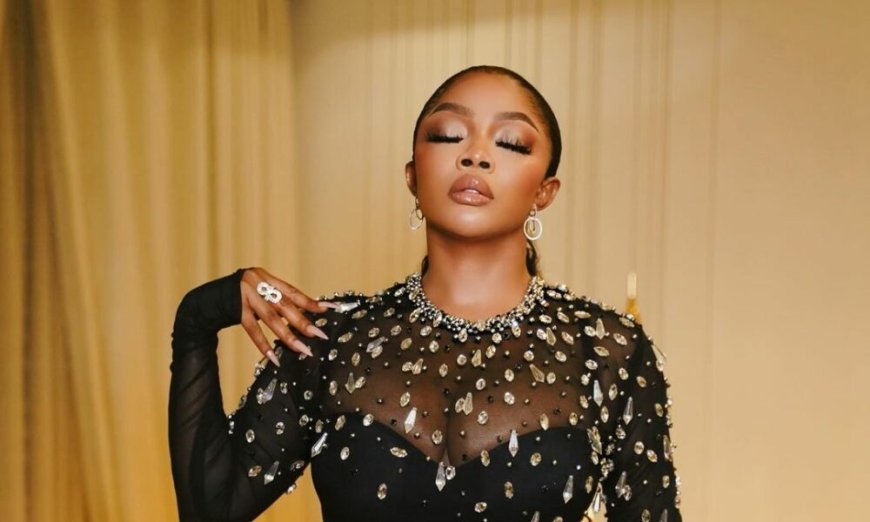
When last did you cook a horrible meal that you thought you ate? Hold on, let me cook. Similarly, being an influencer today is more like cooking without a recipe. Have you noticed that even if you have the best ingredients, the nicest kitchen, and even a fancy apron, if you don’t know how to bring everything together, the final dish can still leave everyone at the table with an upset tummy, and yes, that includes brands too.
I noticed something interesting when I first started paying attention to creators who were landing brand deals. Some of them weren’t the biggest names or the creators with millions of followers; however, opportunities seemed to keep finding them. I’d wonder, “What do they know that everyone else doesn’t?”
They simply had an influencer media kit. I want you to think of a media kit as an honest introduction to who you are as a creator. This is what it communicates with a brand: this is me, this is what I create, this is who I reach, and this is why we could work well together. To be honest, once you understand the value of a media kit, you will start to notice how much it can change the way your favourite creator presents themselves.
What Is an Influencer Media Kit?
Now, I want you to imagine a school project about yourself, except instead of your teacher marking it with a red pen, a brand is looking through it and deciding whether they want to pick you for a campaign. Do you now see the significance of that little document? Simply, the job of an influencer media kit is to give brands a lens on your creator profile without making them go through your social media pages to figure everything out.
Here is what it can include:
- Who you are
- Your niche and content style
- Who your audience is
- Your social media platforms
- Your audience and engagement statistics
- Previous brand collaborations
- The services or content you offer
- Your contact information
Look at it this way: for brands, this information makes it easier to understand whether a creator is a good fit for a particular campaign. When marketers are comparing multiple creators, being able to find the important information quickly can make a real difference.
Where Cultural Relevance Meets Commercial Opportunity
Did you know that influencer marketing does not look exactly the same everywhere, and the African creator landscape brings its own unique layer to the conversation? See, audiences often connect with creators not simply because their content looks aesthetically pleasing (atleast not all the time), but because it feels familiar. Factors such as language, culture, humour, beauty standards, fashion, food, and everyday experiences can influence whether an audience trusts and engages with a creator.
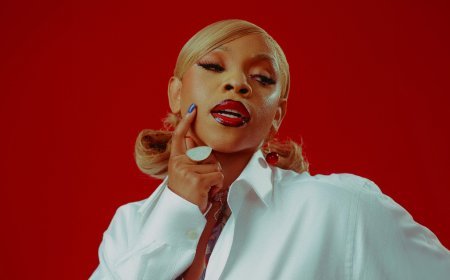
For instance, see South African influencer Kay Yarms, whose beauty and lifestyle content combines polished visual storytelling with a distinctly South African perspective. Or Nigerian creator Salem King who has built a personal brand around content creation, digital storytelling, and empowering the next generation of African creators. What makes creators like these valuable to brands is not simply their follower count. It is their ability to connect with a specific audience and communicate in a way that feels natural to them.
A good media kit helps make that value visible.
What Should an Influencer Media Kit Include?
Here’s a tip: a media kit should not feel like a collection of random statistics thrown onto a few pages. It should tell a story about who you are as a creator, who you reach, and what you can offer a brand.
1. A Strong Creator Biography
Your biography should go beyond saying your name, age, and the fact that you “love creating content.”
Think of it as your introduction to a potential business partner. What do you create? What is your niche? What makes your perspective different?
Keep it concise, but make sure it communicates:
- Your niche
- Your content style
- Your target audience
- What you are passionate about
- What makes your creator identity unique
The goal is for a brand to understand who you are and what you bring to the table within a few sentences.
2. Audience Intelligence That Goes Beyond Surface Metrics
Always remember that followers are easy to spot, but they are not the whole story. A creator with 10,000 highly engaged followers in a brand's target market can sometimes offer more value than someone with 100,000 followers who rarely interacts with their audience.
Your media kit can therefore include information such as:
- Follower count
- Engagement rate
- Audience demographics
- Top audience locations
- Age ranges
- Gender breakdown
- Average views or reach
- Content performance
These numbers help brands understand who is actually listening when you speak, rather than simply how many people follow you.
3. Your Best Work
This is where you get to show rather than tell. On here, include examples of your strongest content, particularly work that demonstrates your ability to create content that is visually appealing, engaging, and relevant to brands. If you have worked with brands before, let brands see those collaborations too. A few strong examples can communicate your capabilities far better than a page filled with claims about how creative you are.
4. Previous Brand Collaborations
I’d urge you strongly to not be shy when you have to put out your work out there. List previous collaborations and, where possible, include the type of work you created, whether that was a TikTok campaign, Instagram Reel, product feature, event coverage, or something different from that. If you have results to share, even better. Campaign performance, reach, engagement, or other relevant results can help demonstrate that you understand how to create content that delivers more than just likes.
5. What You Offer
A brand should not have to guess what they can hire you for abeg. There are a lot of creators on their list, don't give them a reason to disqualify you over something that could’ve been avoided. Clearly outline the types of content or services you offer, such as
- Instagram Reels
- TikTok videos
- Product photography
- Event coverage
- UGC content
- Social media campaigns
- Brand ambassadorships
This gives potential partners a clearer idea of how you could fit into their campaign.
6. Your Contact Information
It sounds obvious, I know, but make it easy for brands to reach you. Include a professional email address and your relevant social media handles. If a brand has to hunt through your profile to figure out how to contact you, you have already created an unnecessary barrier.
Your media kit should end with a simple question in the brand's mind: “How do we work with this creator?” And make sure the answer is easy to find.
What's Your Reaction?
 Like
0
 Dislike
0
 Love
0
 Funny
0
 Angry
0
 Sad
0
 Wow
0