





















































COULD AFRICA ACHIEVE THE ONE-CURRENCY IDEA?
Using a single currency in Africa could go a long way in strengthening the bond among all African countries, however, is it achievable?

Prefer listening? Tap play and the article will be read aloud.
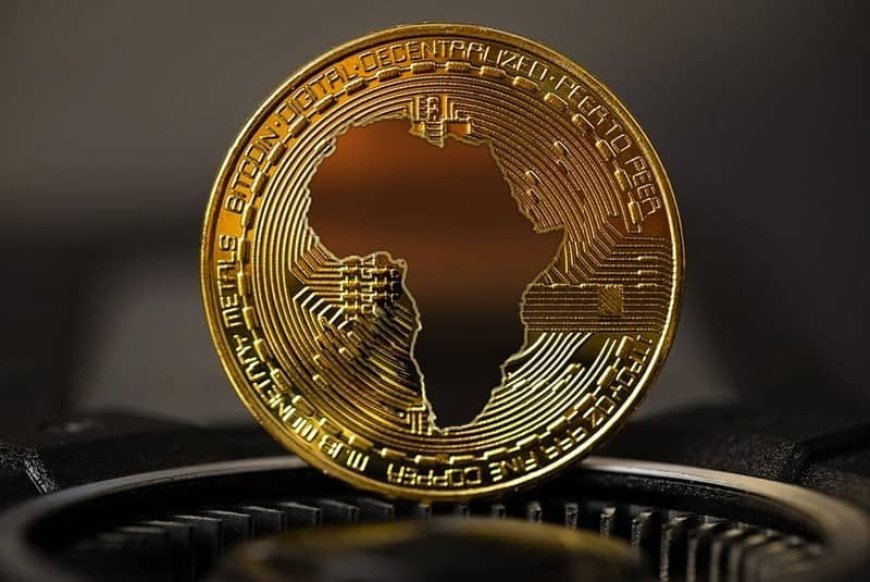
When you see the Naira note, you immediately think of Nigeria. The same goes for the Pound Sterling of the United Kingdom. A country's currency is more than a medium of exchange; it represents national identity, economic sovereignty and, to some extent, the health of its economy. Across the world, countries have adopted different currencies, while others have chosen to share a common one. The Euro, for instance, is used by several European Union countries, while eight West African countries share the West African CFA franc. This raises an interesting question: Why do some countries adopt a common currency, and could Africa achieve the same?
THE EUROPEAN EXPERIENCE
The adoption of a single currency by the European Union was not a sudden decision. It was the result of years of economic cooperation and planning. Following the signing of the Maastricht Treaty in 1992, European countries began working towards establishing an Economic and Monetary Union. Before adopting the Euro, participating countries were expected to meet certain economic conditions, including maintaining stable inflation, exchange rates, government finances and interest rates.
On January 1, 1999, the Euro was introduced as an electronic currency for financial transactions and accounting purposes. However, it was not until January 1, 2002, that physical Euro banknotes and coins entered circulation in 12 participating countries.
The introduction of the Euro brought several advantages. It eliminated the need for currency conversion among participating countries, reduced transaction costs, made cross-border trade easier and allowed consumers to compare prices more conveniently. It also strengthened economic integration within the region. Today, 21 European Union countries use the Euro.
AFRICA'S OWN SINGLE-CURRENCY AMBITION
The idea of monetary integration is not entirely new to Africa. In July 1987, the Economic Community of West African States (ECOWAS) introduced the ECOWAS Monetary Cooperation Programme, with the long-term objective of establishing a single monetary zone in West Africa. The proposed currency, known as the ECO, was expected to simplify trade, reduce transaction costs and strengthen economic cooperation among member countries.
Africa also has existing regional monetary arrangements. Eight West African countries, including Senegal, Benin, Togo and Côte d'Ivoire, use the West African CFA franc, while six Central African countries share a separate Central African CFA franc. These arrangements demonstrate that countries can operate under a common monetary system, although they also highlight the complexity of monetary integration across different regions.
Despite these existing arrangements, a single currency covering the entire African continent remains an ambition rather than a reality.
WHY HAS AFRICA NOT ACHIEVED THIS?
Several factors have made the proposed single currency difficult to achieve.
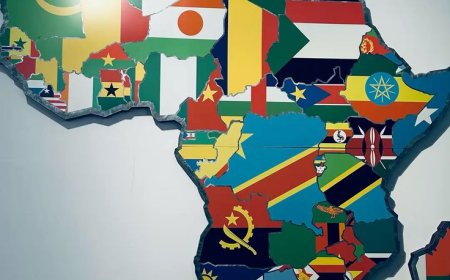
- Varying levels of economic development: Africa consists of 54 countries with different economic structures, levels of development and financial capacities. Countries such as Nigeria, South Africa and Egypt have relatively large economies, while others have smaller economies and fewer financial resources. These differences make it difficult to establish one monetary policy that adequately addresses the economic needs of every country.
- Loss of monetary independence: A country's currency gives its central bank the authority to influence interest rates, money supply and other monetary policies. Under a single currency, individual countries would surrender much of this independent control to a common monetary authority. This means a country experiencing an economic crisis may not be able to adjust its monetary policy independently to address the situation.
- Political differences and instability: Monetary integration requires trust, cooperation and long-term commitment among participating governments. Political instability, changes in leadership, diplomatic disagreements and differences in national interests can make it difficult for countries to maintain consistent agreements.
- Failure to meet economic convergence targets: Before adopting the Euro, participating European countries had to meet specific economic conditions relating to inflation, government debt, budget deficits and interest rates. Africa faces similar challenges because economic performance varies significantly across its countries. Establishing a common currency without sufficient economic stability could create serious financial difficulties.
- Unequal exposure to economic shocks: African countries depend on different industries and sources of revenue. While some rely heavily on oil and mineral exports, others depend more on agriculture, tourism or manufacturing. A fall in oil prices, for example, may affect an oil-producing country differently from a country whose economy depends on tourism. With one currency and one monetary policy, responding to these different economic challenges could become complicated.
THE BENEFITS AND THE BIG QUESTION
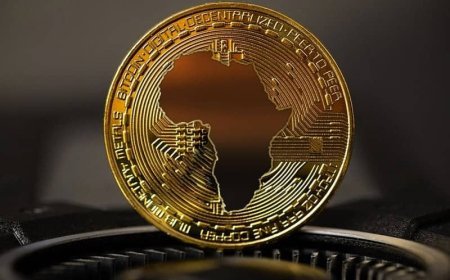
Despite these challenges, a single African currency could offer significant opportunities. It could encourage trade between African countries, reduce the cost of cross-border transactions, attract investment and strengthen the African Continental Free Trade Area (AfCFTA). Businesses could operate across borders with fewer currency-related complications, while African countries could potentially strengthen their collective position in international trade.
However, these benefits are not automatic. The European experience shows that a common currency requires more than political agreement; it needs strong institutions, economic coordination and the willingness of participating countries to work towards shared objectives.
CAN AFRICA EVER BE READY?
The question is not necessarily whether Africa can adopt a single currency, but whether its countries are willing and prepared to make the sacrifices and adjustments required to sustain one.
A successful monetary union would require stronger regional institutions, improved infrastructure, political cooperation, stable economies and transparent financial systems. It would also require countries to prioritise long-term regional economic interests alongside their individual national interests.
Africa's dream of a common currency is ambitious, but it is not impossible. However, adopting one currency should not be treated as a shortcut to economic development. The foundation must come first: stronger economies, mutual trust and genuine regional integration. Only then can a single African currency become a sustainable reality rather than an ambitious
What's Your Reaction?
 Like
0
 Dislike
0
 Love
0
 Funny
0
 Angry
0
 Sad
0
 Wow
0